


 Home
Home
 News
News
 Colleges




 Courses
 Admission
 Lectures
 Online Test
 Past Papers
 Date Sheets
 Results
 Study Abroad
 Jobs
Jobs
 Tutors
 More
More


 Apps
Apps





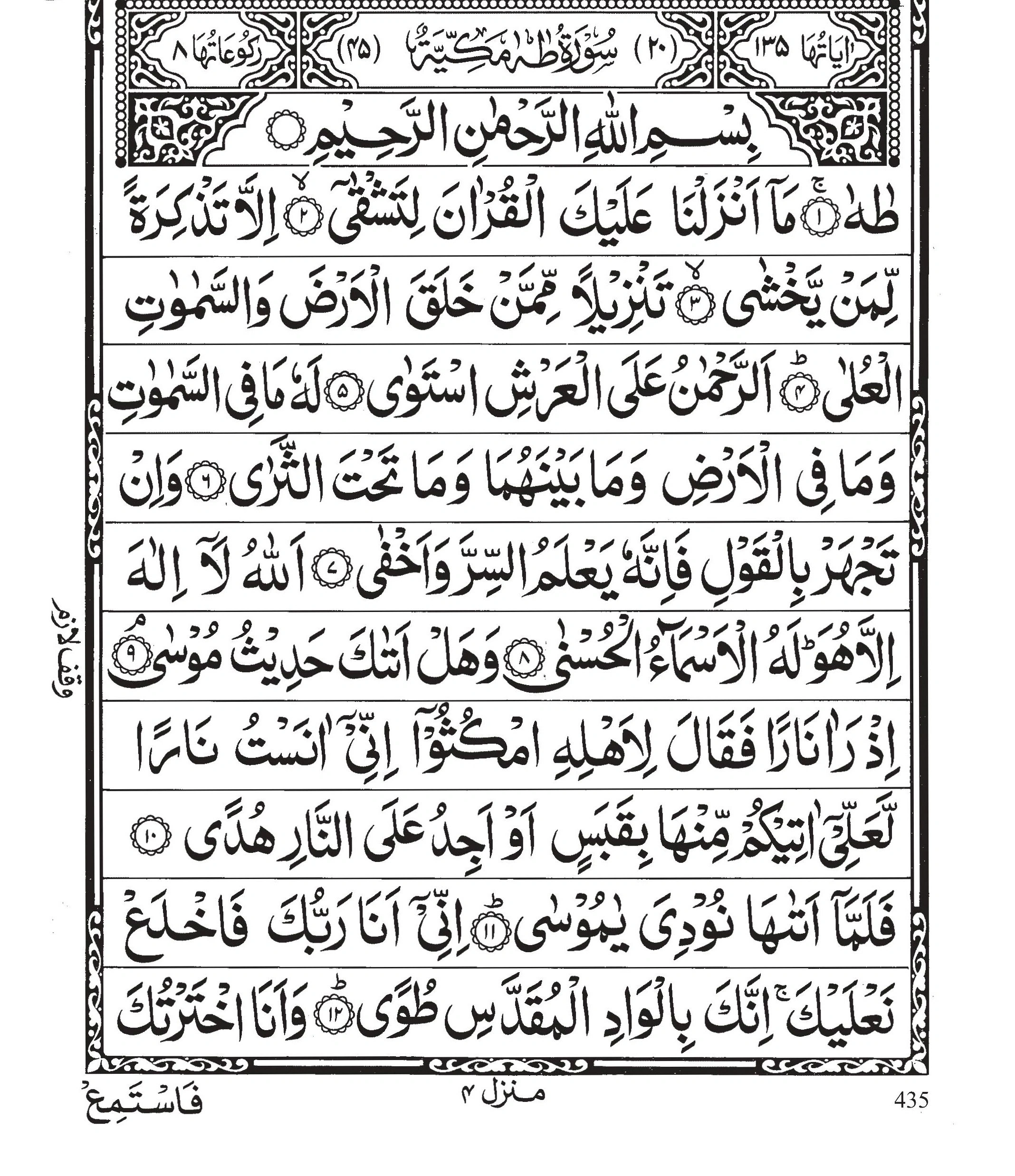
Surah taha has a hundred thirty-five verses and prefers all different Makki surahs, it in general deals with the subject of the starting place and resurrection of humans. surah e taha is the primary surah that tells the tale of Prophet Moses in detail, this is, more than 80 verses of it tell the story of Prophet Moses. In surah taha full, Allah teaches us an effective lesson. When he's taking something far from you, it's miles handy to replace it with something even more remarkable.
"So He may also forgive you,your sins and come up with respite for a sad term: for when the term given through Allah is finished, it cannot be recommended: if ye simplest knew."
Surah Taha Translation
surah taha with urdu translation is important to learn about the stories in Surah Maryam:
Inside the past few surahs, Allah has offered numerous examples proving how people who accept as true within Him will prevail, and how individuals who reject Him fail. This recurring subject is further emphasized because of the intense loss and suffering that the Prophet PBUH and his partners had been going through, as well as the generations of fans who are destined to come back after him. As the tales emerge as increasingly elaborate and thorough, revealing the techniques and Divine plan of Allah’s decree, they provide more reassurance to the believers, inspiring them to continue adhering to His steerage.
surah taha translation explains that this surah isn't any different. In reality, whilst Surah al-Kahf introduces stories of lesser-known figures in history, and Surah Maryam highlights the testimonies of extra extensively identified Prophets, Surah Taha is going into great intensity with approximately the info of Prophet Musa’s struggles. His hardships, while compared to those of all other Prophets, bear the greatest resemblance to the ones Prophet Muhammad PBUH faced throughout his mission. Moreover, Allah makes use of this Surah to give the closest historical parallel of His Divine safety and victory, and the way it's so evident that even his opponents of other Abrahamic faiths will well know it.
- Allah opens this surah by affirming that, in the long run, this Qur’an will no longer be a source of disappointment for Prophet Muhammad, and that his enjoyment of success may be comparable and even more than the achievement of Prophet Musa.
- Beginning from the early degree of their Prophethood, we analyze that each Prophet Musa and Prophet Muhammad PBUH shared the same isolation that initiated their first revelations; Prophet Musa was at the valley of Tuwa, whilst Prophet Muhammad PBUH turned into inside the cave of Ḥirā’.
- Starting from the early degree of their Prophethood, we study that both Prophet Musa and Prophet Muhammad PBUH shared the same isolation that initiated their first revelations; Prophet Musa turned into at the valley of Tuwa, at the same time as Prophet Muhammad PBUH changed into within the cave of Ḥirā’.
- We additionally find out how daunting Prophet Musa’s mission changed into to go back to Egypt and invite the Pharaoh to Islam thereby liberating the children of Israel. The likelihood of him succeeding in this venture on his own appears impossible. But with Allah on his side, we find that fulfillment is inevitable.
- In addition, the assignment of Prophet Muhammad PBUH to ask the Arabs to Islam and abandon the idols they had been worshiping for loads of years is an enormous project, however, with the assistance of Allah, his success is already written.
Surah Taha Pdf
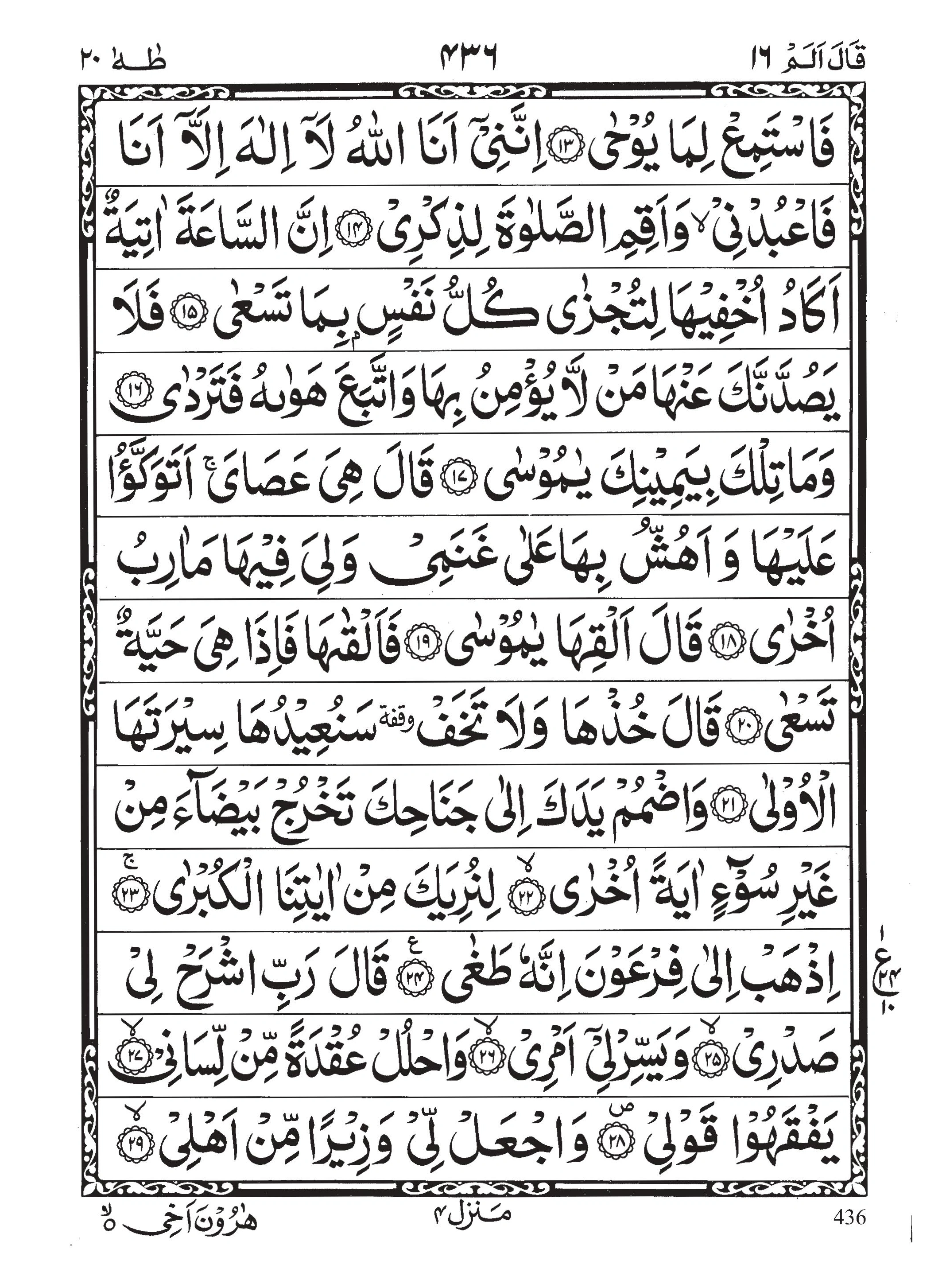
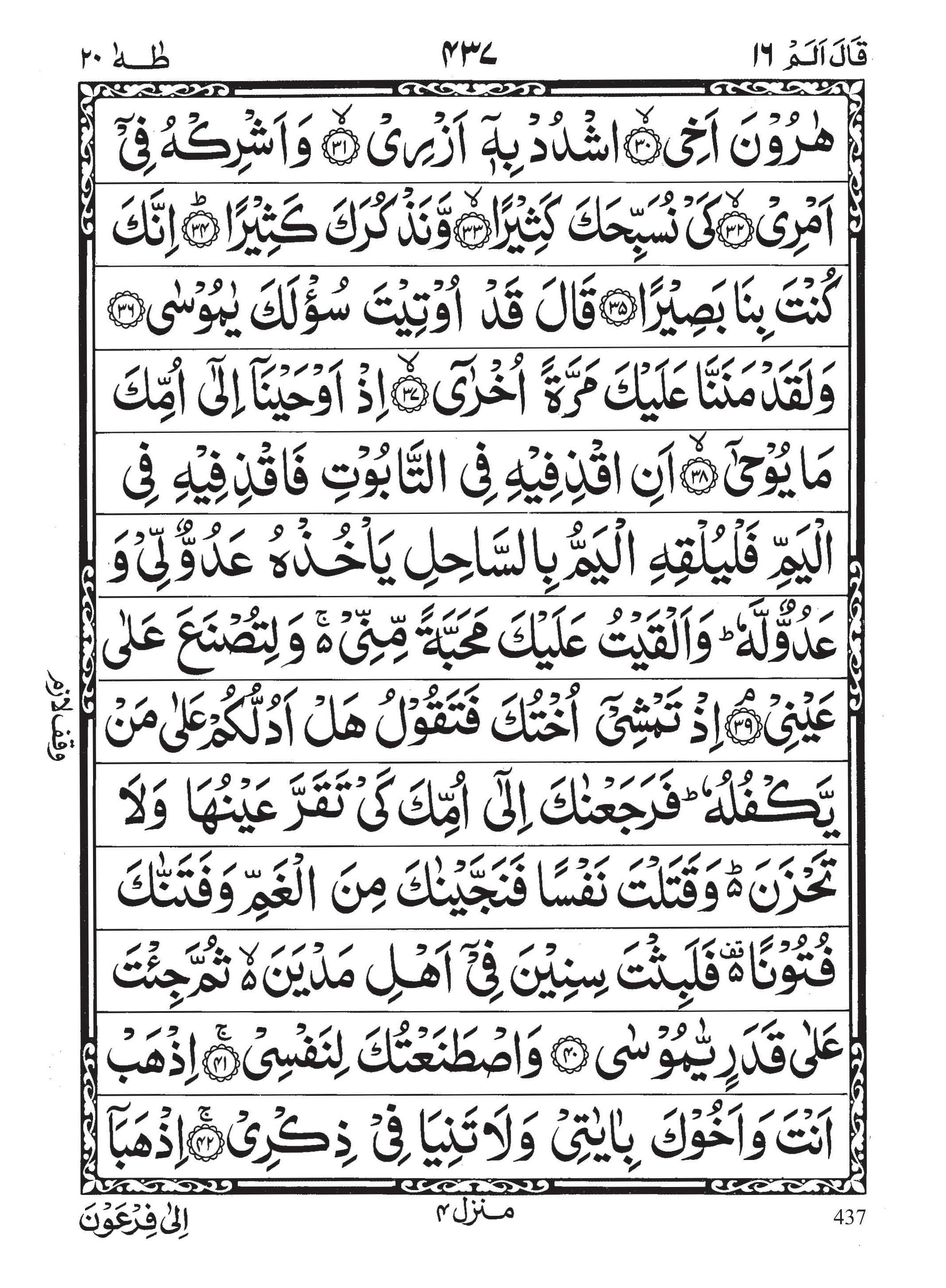
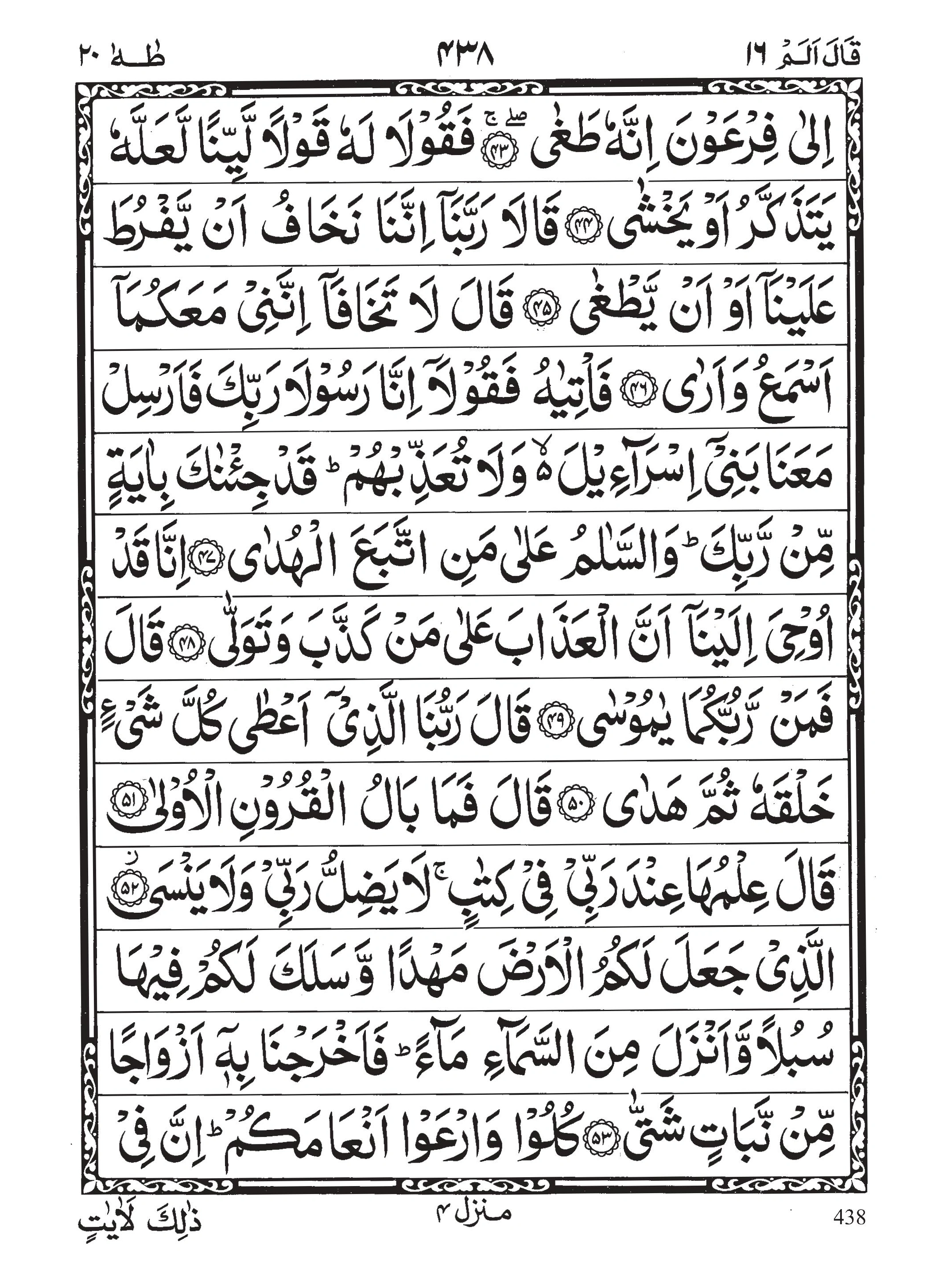
download surah taha pdf to read Surah in your spare time and for your ease. There are different websites for surah taha pdf download. For those who cannot understand Urdu have an option of downloading surah taha in english pdf.
Surah Taha
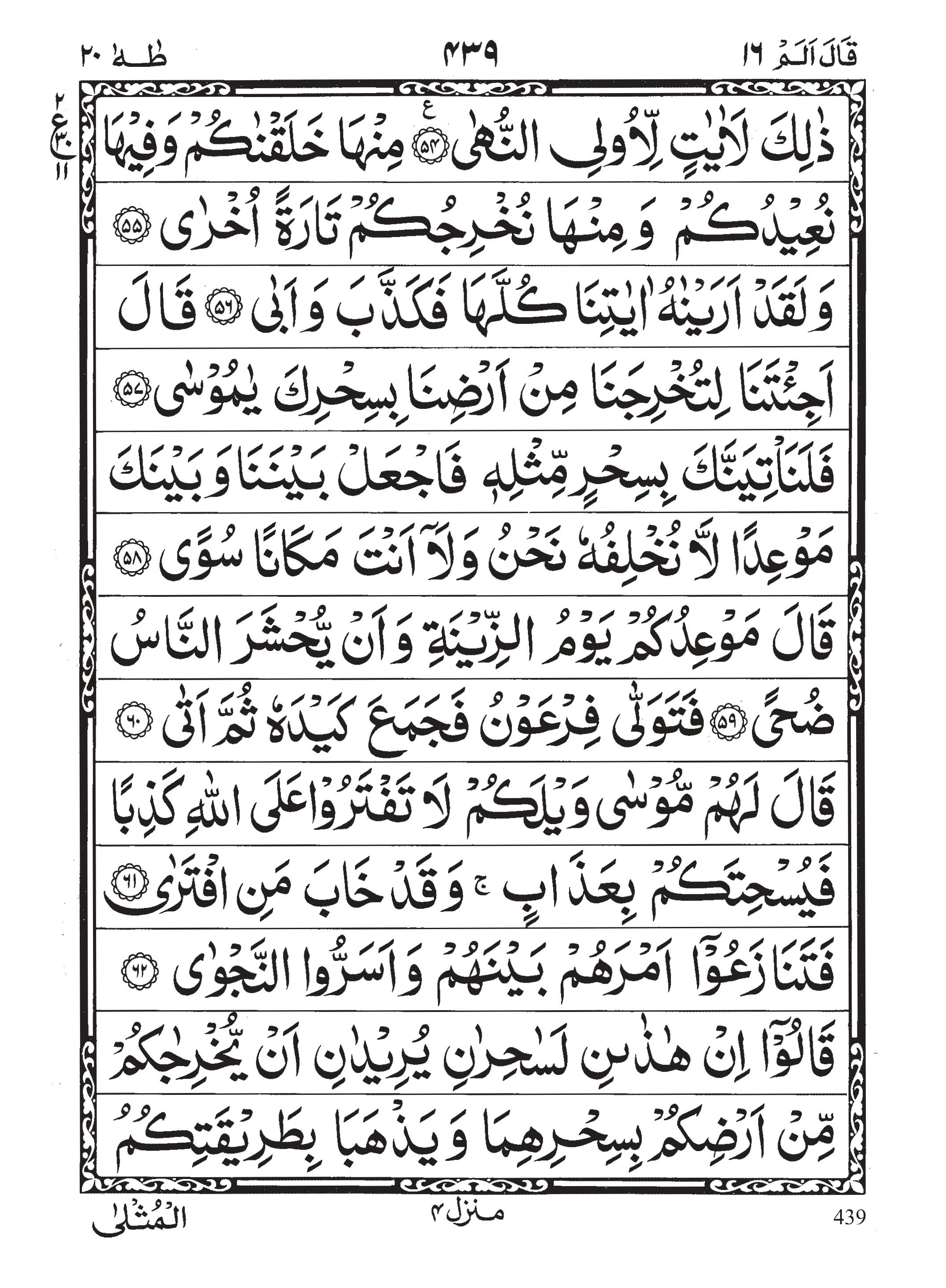
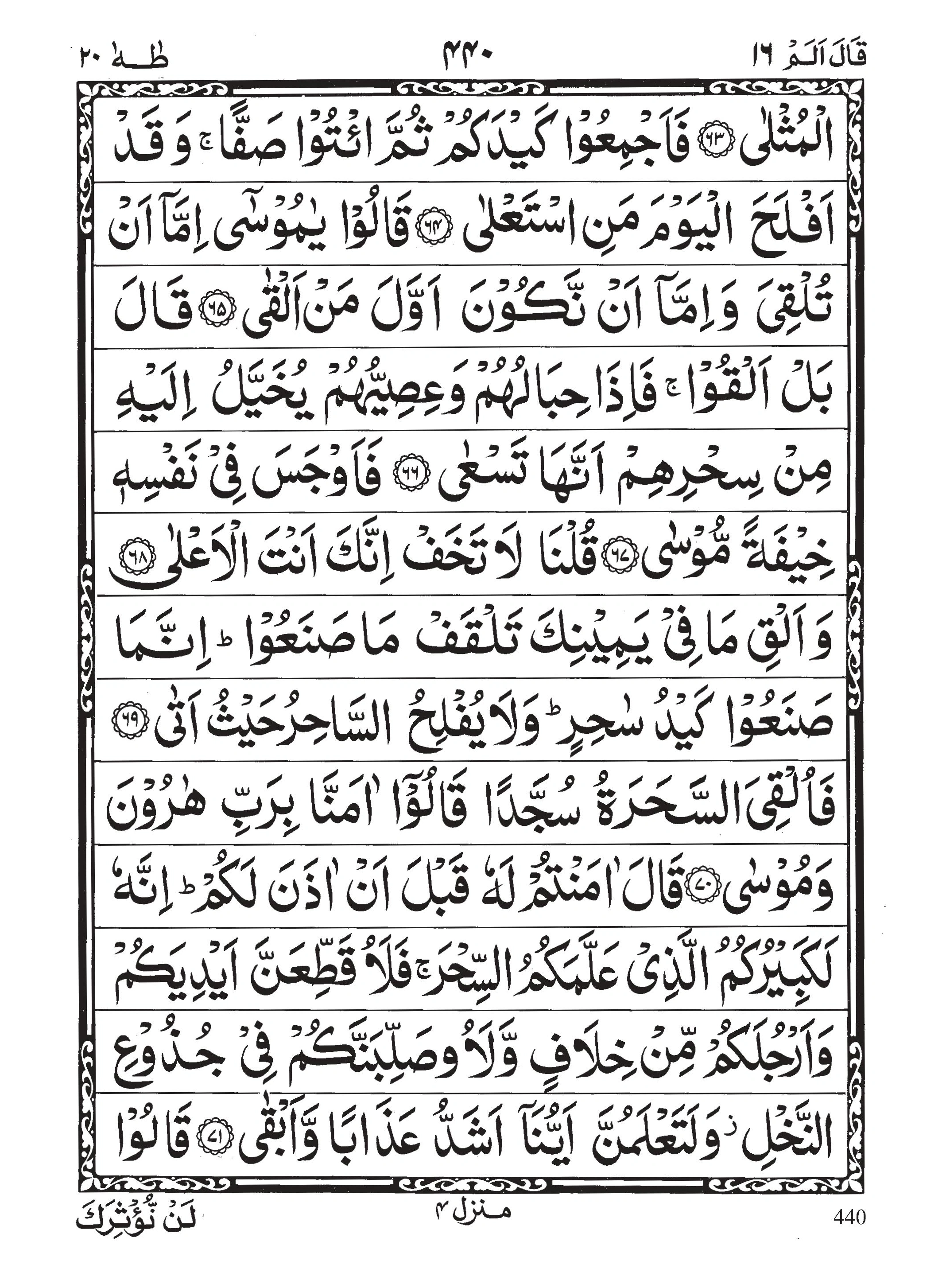
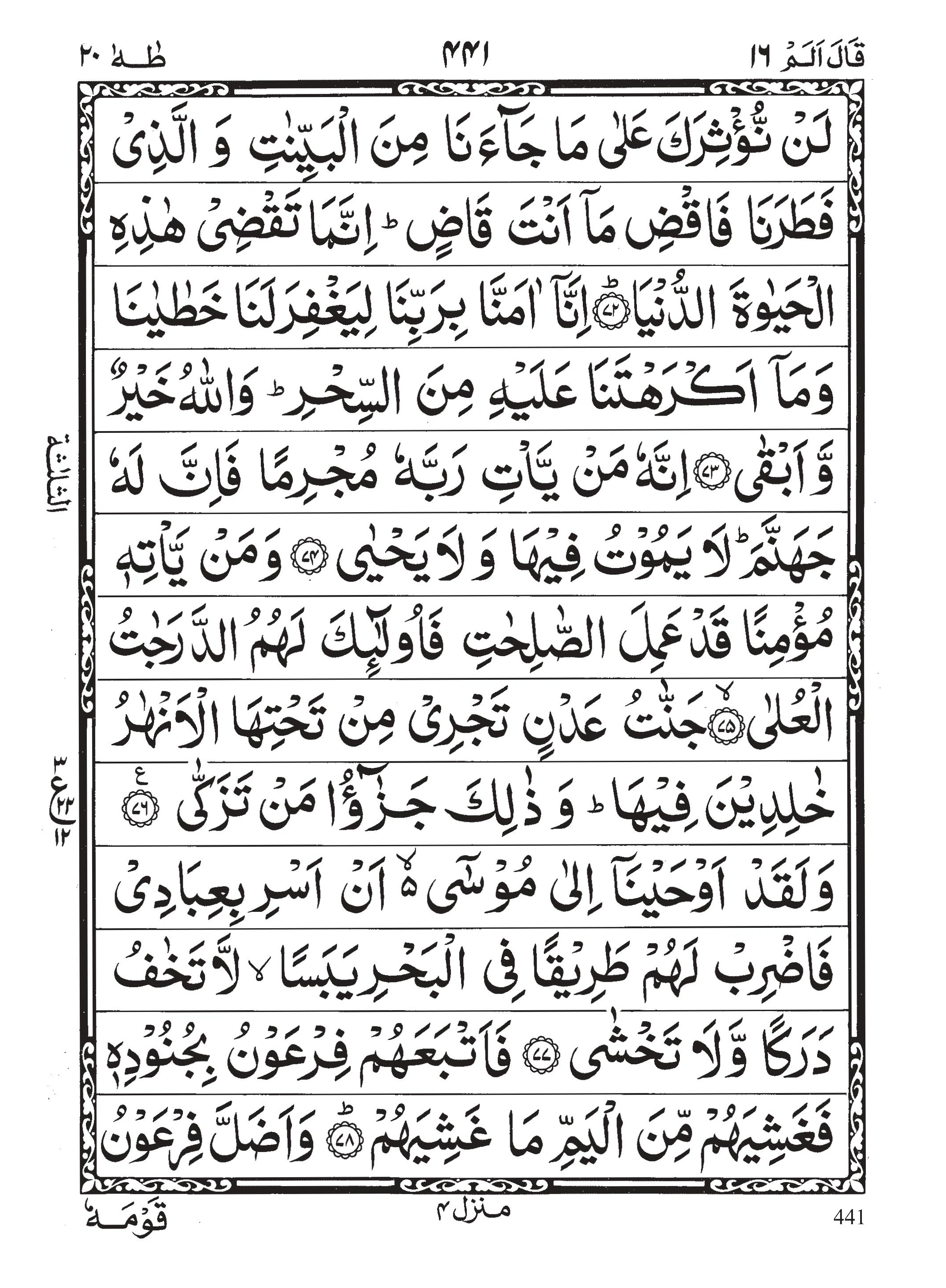
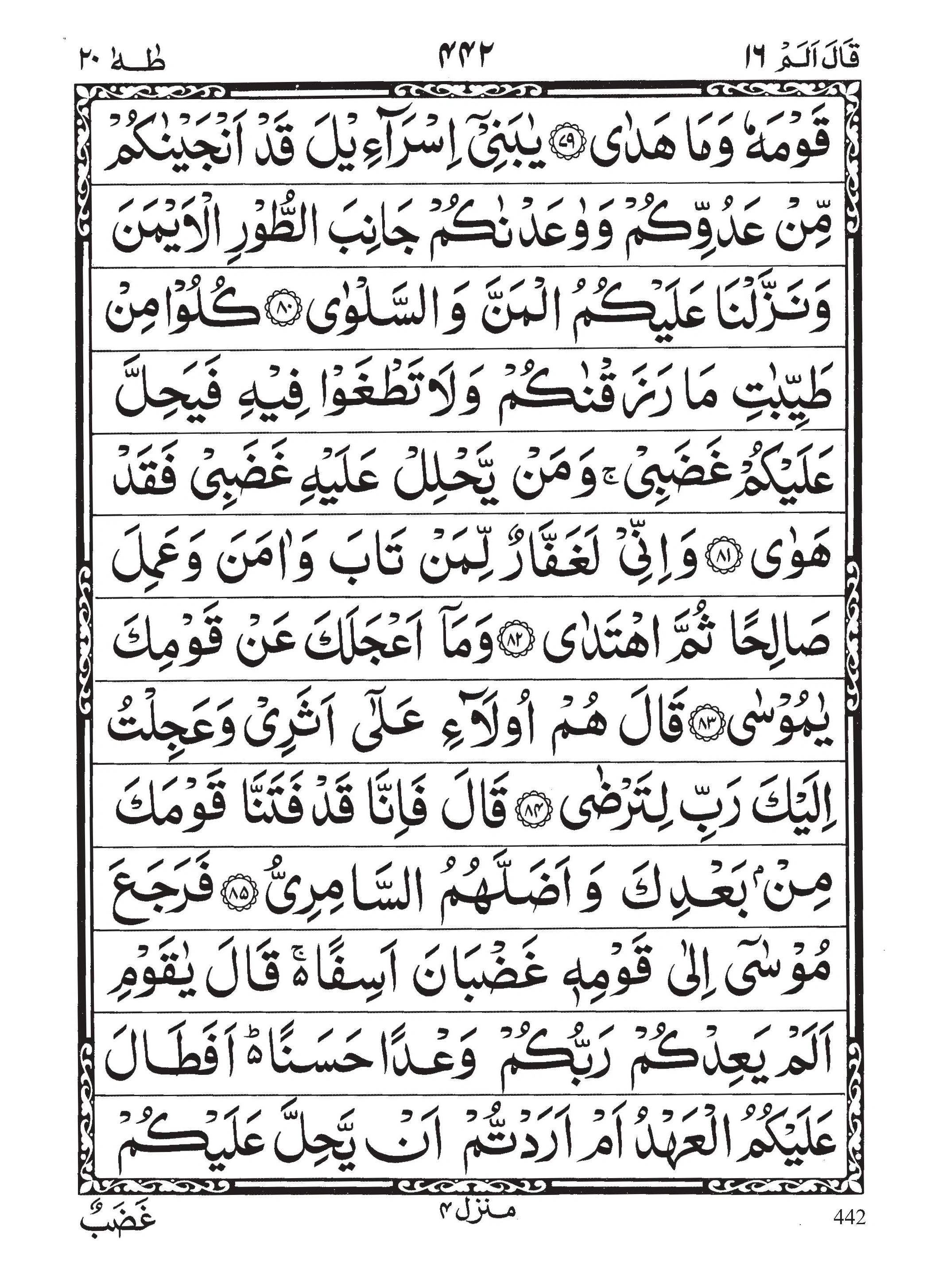
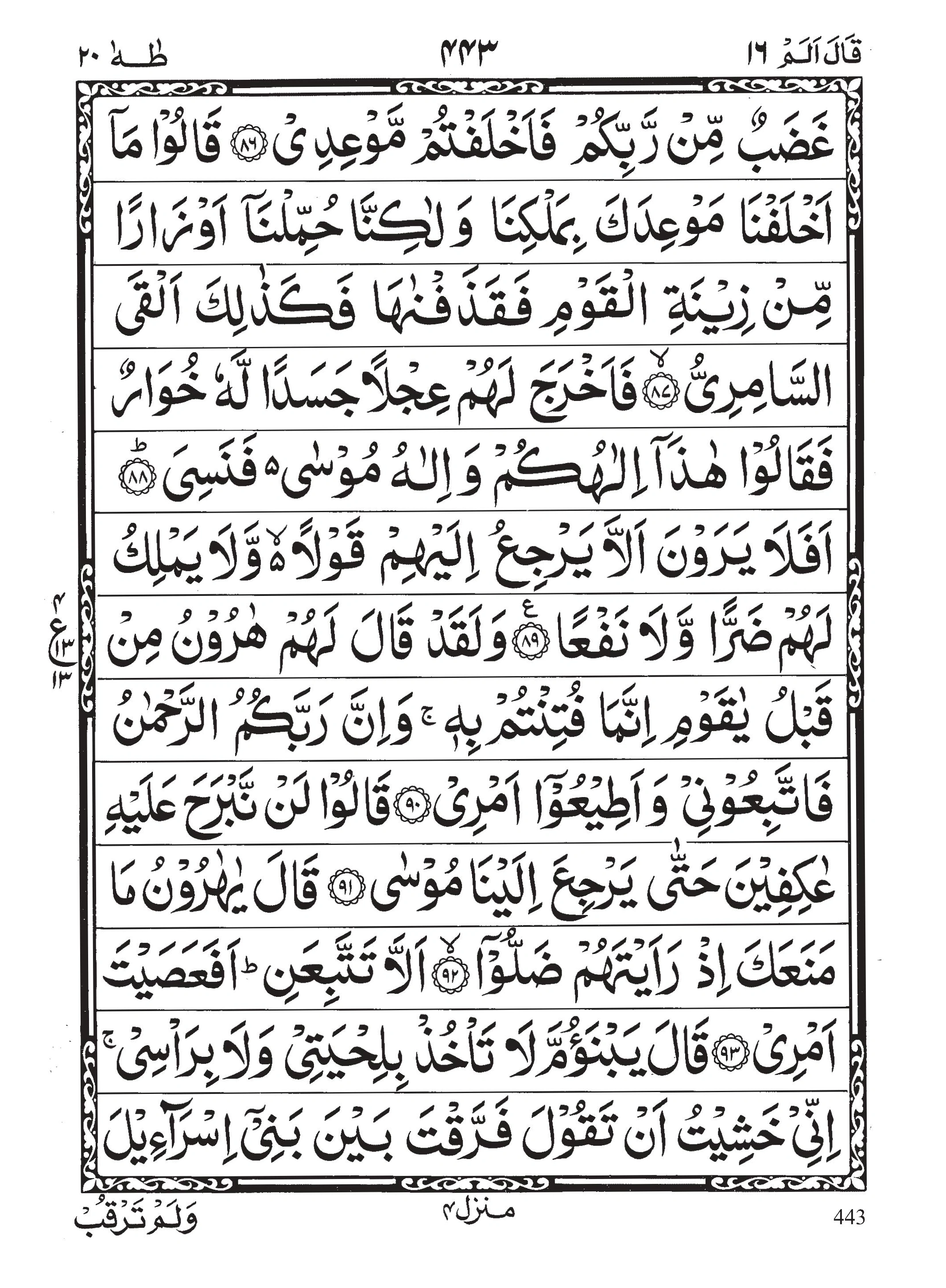
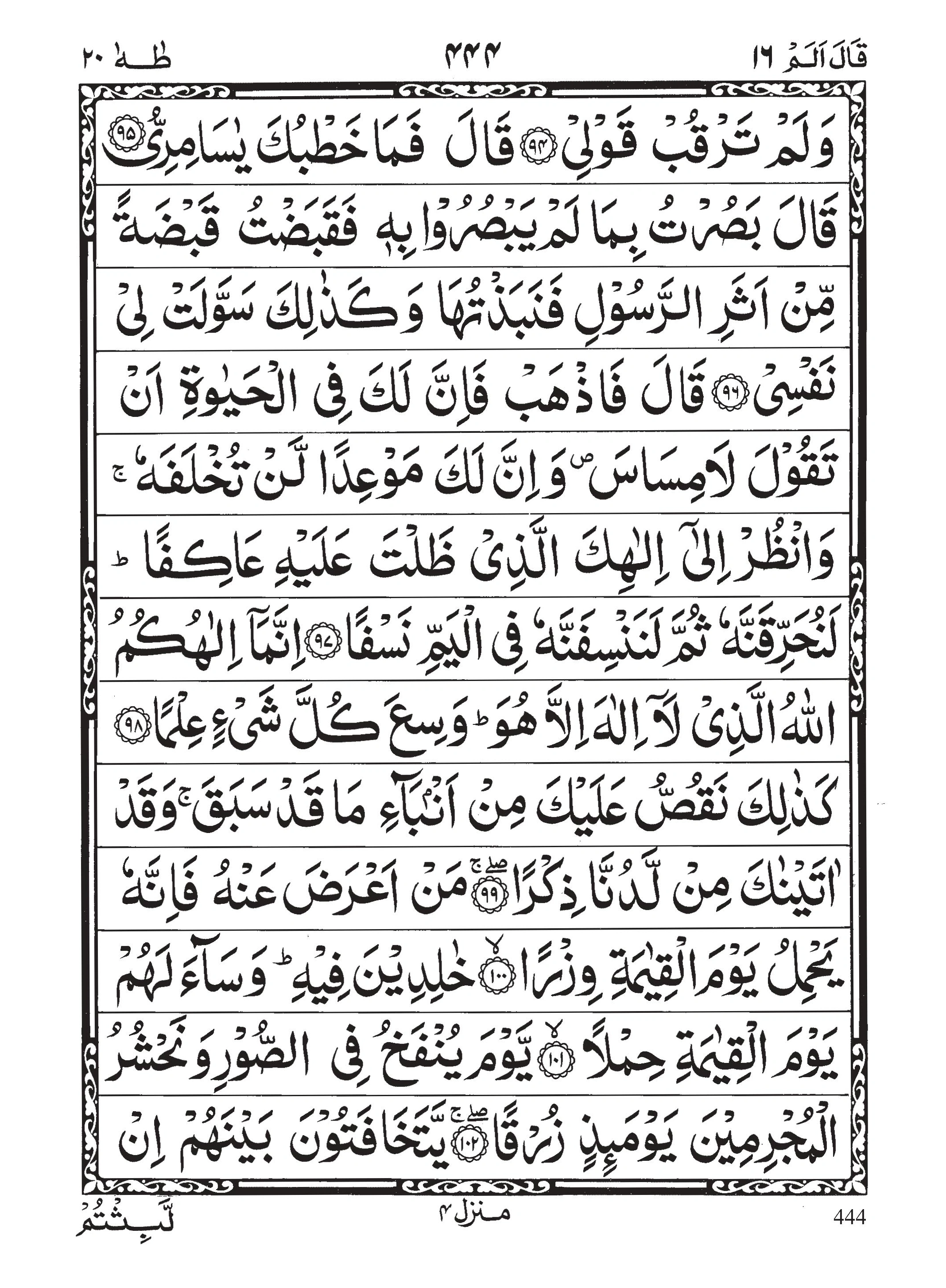
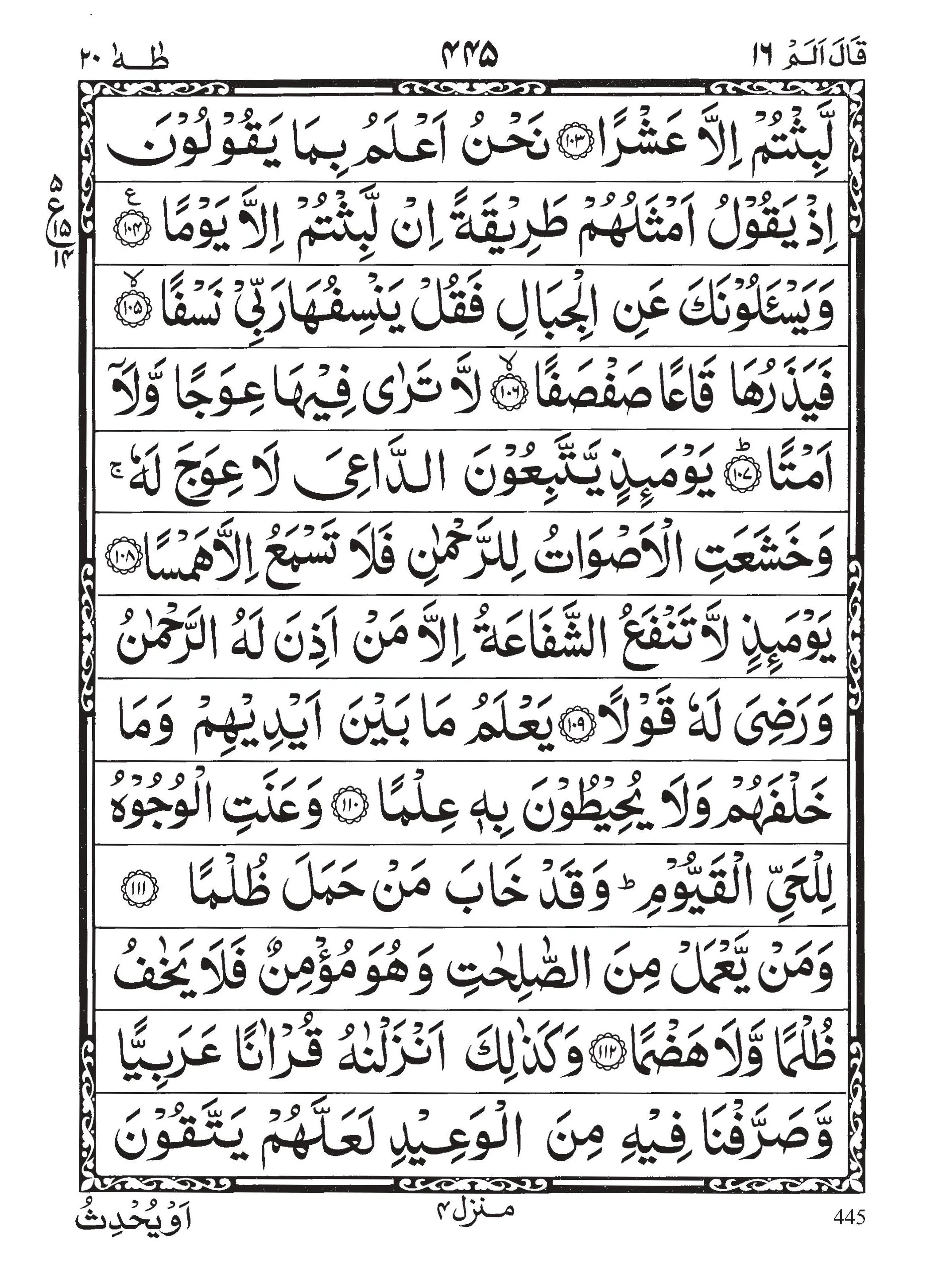
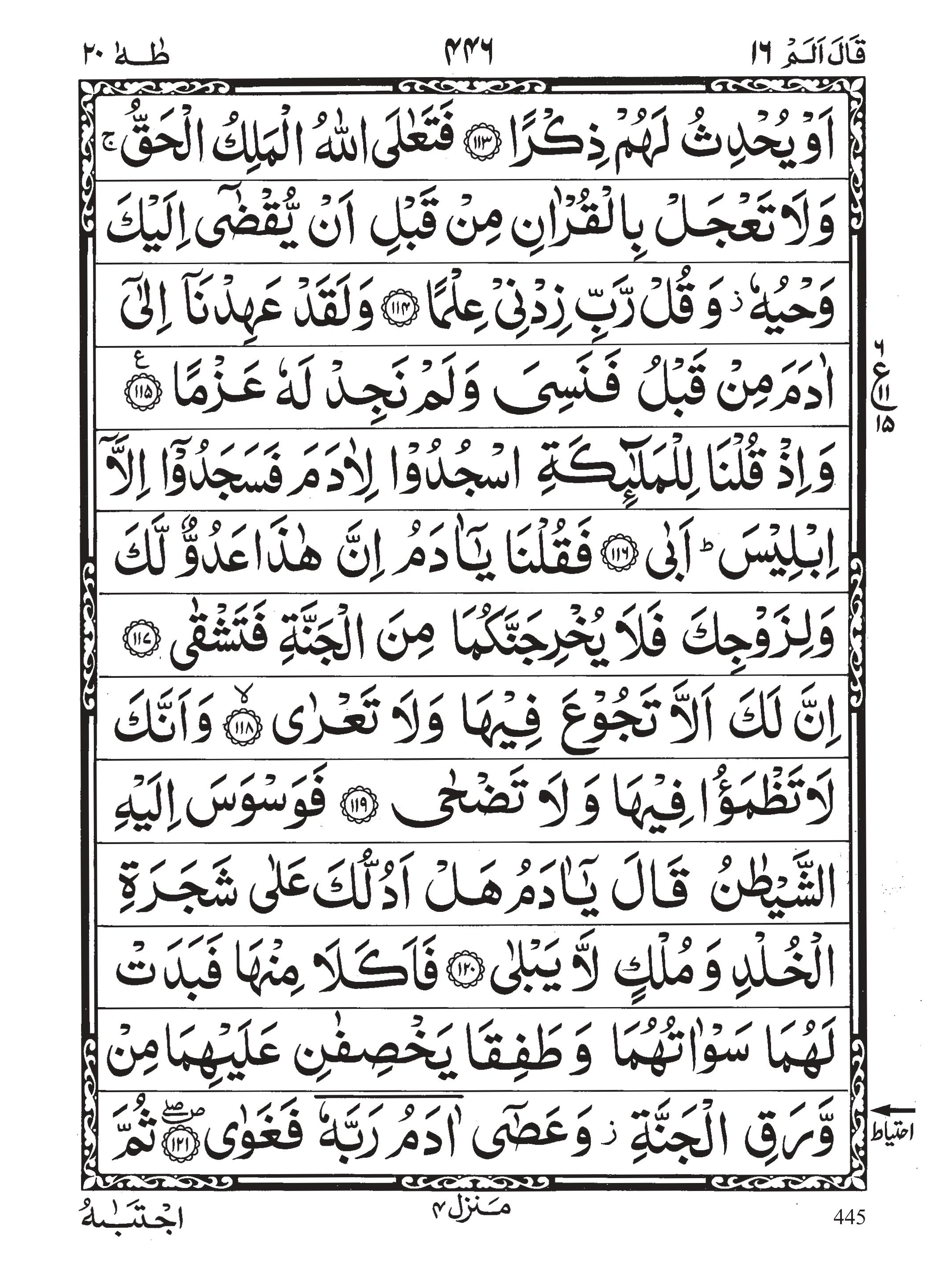
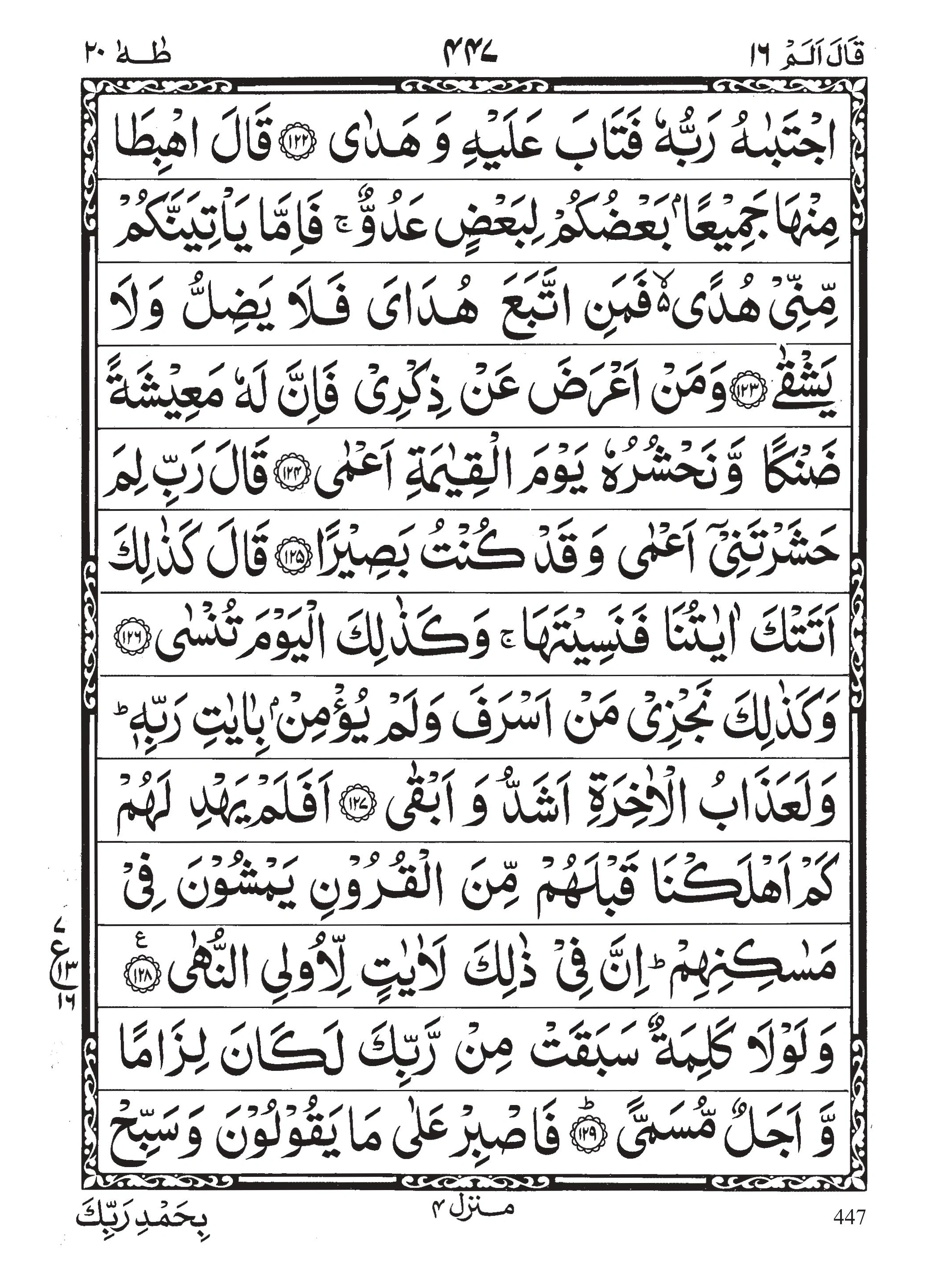
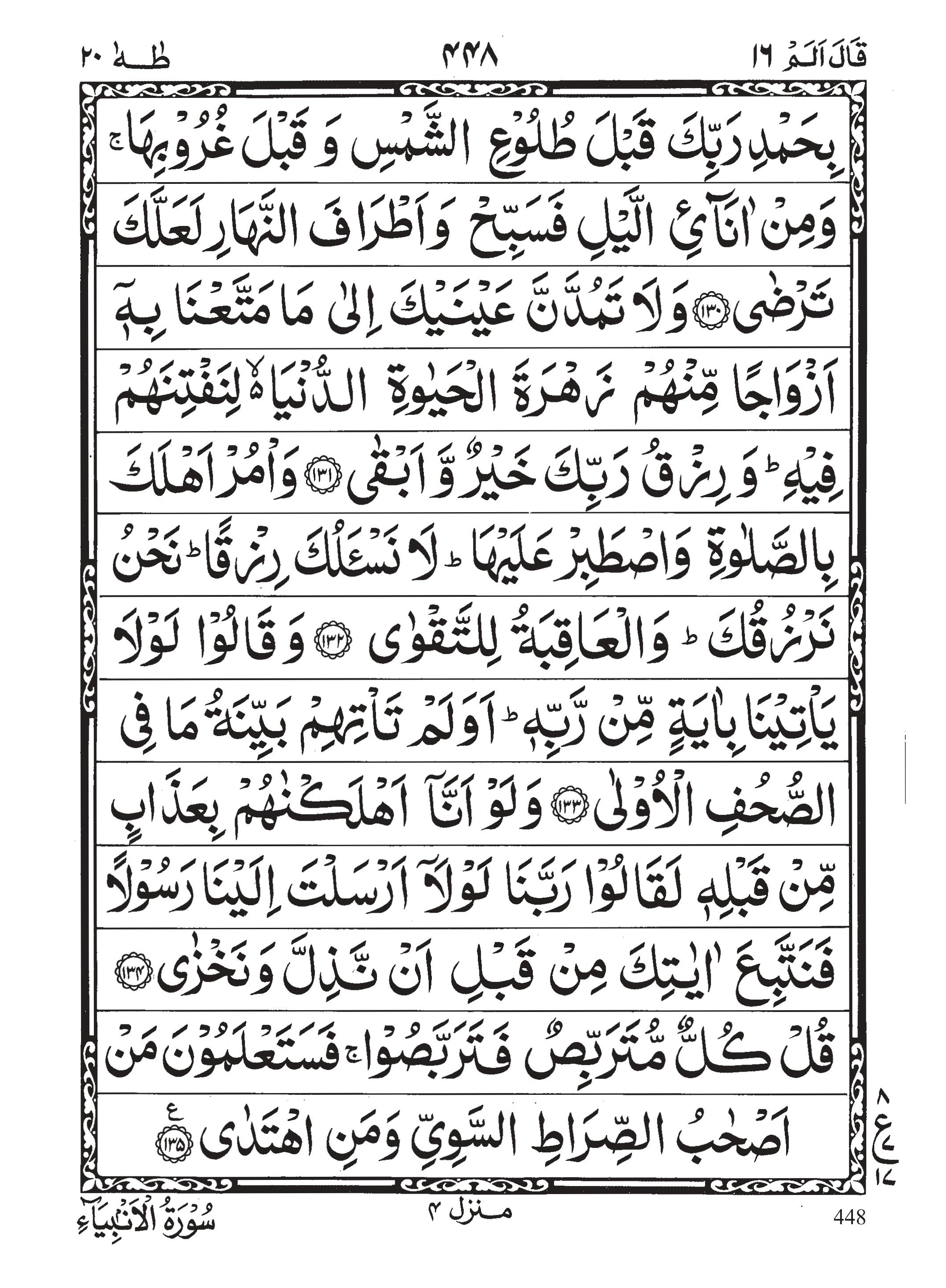
Surah Taha for Marriage
the benefits of surah taha for marriage is that this Surah is used with the true objection of a god relationship and achieving a speedy child for marriage and a snappy woman for marriage as fast as time license, and there is doubtlessly Surah Taha for marriage is basic and especially imperative for completing. It is best to read surah taha ayat 131 132 for marriage.
Surah Taha Ayat Wise
surah taha ayat 39 tells us
”Put the baby into a chest and then throw a hum in the river. You will see I carry him, the dawn-bright sea, and then an enemy of mine and an enemy of his will appear.”
surah taha ayat 69 describe:
“And throw down what is in your right hand; it will swallow up all that they have wrought”.
Surah Taha Verses Summary is given below:
- If one considers the chances of an infant floating down a river on its own, and eventually being observed, raised, and protected inside the family of the very guy who had publicly ordered for toddlers like him to be killed, it would be considered not possible.
- Simply as promised, Allah did indeed guard him and his brother Harun, and we learn that they faced the Pharaoh with several miracles. But, none of them had any effect on his coronary heart. To counter any capability doubts one may additionally have that these miracles were inherently unconvincing, Allah famous to us how the Pharaoh himself by chance proved how conclusive those miracles had been. Pharaoh recruited magicians to counter Prophet Musa who themselves showed that these miracles were indeed from Allah and submitted to Him! This is how Allah turns the plots of His opponents against them.
- Likewise, any plot waged against Prophet Muhammad PBUH may be expected to fail similarly.
- In this segment, we see greater parallels between the lifestyles of Prophet Muhammad PBUH and that of Prophet Musa. Like Prophet Musa, Prophet Muhammad PBUH was inspired to leave his place of origin and migrate to a blessed land that might be more secure for his fans. In addition, Prophet Musa went out to a far-off place to speak to his Lord and even asked to look at Him (as cited in Surah al-Aʿraf) while Prophet Muhammad PBUH was given the privilege of the night Ascension.
- Furthermore, Prophet Musa added new Divine laws to his humans and struggled with the hypocrites to establish the framework for a religion-based civilization.
- A few years later, the Prophet PBUH did the same in Madinah.
- Simply as promised, Allah did certainly shield him and his brother Harun, and we examine that they faced the Pharaoh with numerous miracles. But, none of them had any impact on his coronary heart.
- Finally, we find out that the champions of disbelief – Pharaoh and Sāmirī – each face a tragic ending, at the same time as Musa and his true followers in the end stay on to obtain their rewards in this existence and the next.
- As we technique the quitting of the Surah, Allah reintroduces the topic of the Day of Judgment, as He has accomplished in several surahs that have preceded this one. One of the wisdom behind that is that the disbelief of the Prophet’s PBUH fighters turned into mainly motivated and driven through their denial of the Resurrection and Divine reckoning. In the case of the polytheists, they didn’t consider it at all, while the Jews and Christians had distorted the information about its truth and fabricated information of its system.
- Allah describes the full authority he will command on that Day. Humans will not have to manage their moves or their phrases, and it will become obvious that they are totally at the mercy of Allah’s will.
- Ultimately, Allah directs us to the tale of Adam and Ḥawwā’. He reminds us that the strategy of materialism that Iblīs adopted to lead them to misguidance is the identical method that he continues to use to lie to the generations after them. Allah needs us to consciously and voluntarily reject that course, and so He gives us abundant signs and symptoms to inspire us and reveals tales of the people before us so that we will avoid repeating their errors.
FAQ's
Q: Surah Taha in which Para?
Ans: Surah Taha is in Para no 16.