




 Home
Home
 Education
 Technology
 Relationship
 History
 Business
 Career
 Religion


.jpg)
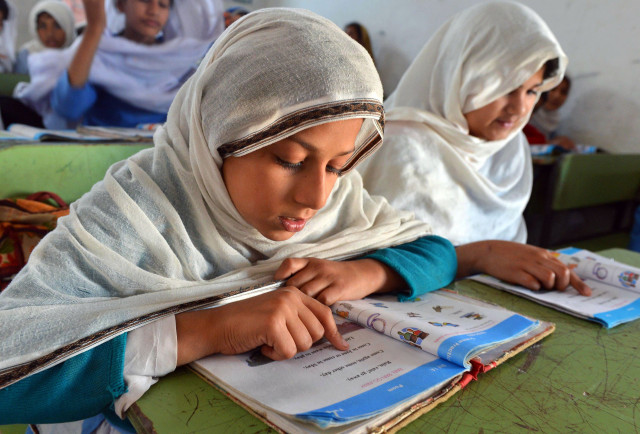
Punjab Schools to Launch Mental Health Program for Students: A New Era for Youth Well-Being
In a landmark decision aimed at addressing the growing psychological challenges among adolescents, the District Education Authority (DEA) Lahore has officially approved a comprehensive mental health initiative for public schools. The newly sanctioned Psychology Development Program is set to transform the educational landscape by prioritizing emotional resilience and psychological well-being alongside academic achievement.
This move comes at a critical time when students globally are facing heightened stress, anxiety, and performance pressure. By integrating mental health education into the curriculum, Punjab is taking a proactive step toward nurturing a generation that is not only educated but emotionally intelligent.
Why a Mental Health Program in Schools is Critical
Adolescence is a vulnerable developmental stage. Students in grades nine and ten, the primary focus of this program, often grapple with identity issues, bullying, peer pressure, and intense academic competition. Without proper coping mechanisms, these challenges can lead to depression, absenteeism, and even self-harm.
The Punjab schools mental health initiative acknowledges that traditional teaching methods alone cannot address these deep-seated issues. By introducing structured psychological support, the program aims to reduce dropout rates, improve classroom behavior, and foster a safer learning environment. Experts believe that early intervention in schools is the most effective way to prevent lifelong mental health disorders.
Key Features of the Psychology Development Program
The Psychology Development Program is not merely a counseling service; it is a multi-dimensional strategy designed to build emotional resilience and positive behavior among students. The program will be rolled out in phases across public schools in Lahore, with a focus on three core pillars:
1. Resilience Training
Students will participate in interactive sessions that teach them how to bounce back from failures, manage rejection, and handle academic setbacks without losing motivation. These sessions will include storytelling, role-playing, and group discussions to normalize the experience of struggle.
2. Personal Safety Awareness
A critical component of the program involves educating students about personal boundaries, safe and unsafe touch, and how to report abuse. This module is designed to empower children with the knowledge to protect themselves from physical and emotional harm, both inside and outside school premises.
3. Career Guidance and Future Planning
Uncertainty about the future is a major source of anxiety for teenagers. The program will offer career counseling sessions that help students identify their strengths, explore diverse professional paths, and set realistic academic goals. This reduces the overwhelming pressure to conform to traditional career molds.
Leadership and Implementation Strategy
The program will be spearheaded by two distinguished experts: Samavia Butt and Dayan Zafar, both of whom bring extensive experience in child psychology and behavioral intervention. Their leadership ensures that the curriculum is evidence-based and tailored to the cultural context of Lahore’s public schools.
To ensure scalability, the experts will be supported by a team of trained interns recent psychology graduates who will assist in conducting workshops, monitoring progress, and offering one-on-one support where needed. This mentorship model not only benefits students but also provides valuable field experience for emerging mental health professionals.
The District Education Authority Lahore has issued formal directives to all school administrations, mandating full cooperation for the program’s effective rollout. Principals and teachers are being instructed to allocate designated time slots for the sessions and to create a stigma-free environment where students feel safe seeking help.
Phased Rollout and Future Expansion
Following formal approval, the program will be introduced in a phased manner. The initial phase will involve training the interns and sensitizing teachers to the signs of mental distress. Subsequent phases will see direct student engagement, starting with a pilot group of schools before expanding to all public institutions in Lahore.
Authorities have hinted that if successful, the model could be replicated across other districts in Punjab. This would mark a historic shift in Pakistan’s public education system, where mental health has long been an overlooked subject.
The Road Ahead: Challenges and Opportunities
While the announcement has been widely praised by parents and educationists, implementation challenges remain. These include the shortage of mental health professionals in the public sector, potential resistance from conservative quarters, and the need for continuous funding. However, the DEA has expressed confidence that the expert-led design and phased approach will mitigate these risks.
For students, this program represents hope. It tells them that their feelings matter, that seeking help is a sign of strength, and that their school is a place of safety not just instruction.
Conclusion
The launch of the Psychology Development Program in Punjab schools is more than a policy change; it is a cultural shift toward holistic education. By focusing on resilience, safety, and career clarity, the initiative addresses the root causes of adolescent distress. With dedicated leadership from Samavia Butt and Dayan Zafar, and the full backing of the District Education Authority Lahore, this program has the potential to become a national benchmark for student mental health.









Share your comments & questions here
No comments yet. Be the first to comment!