



 Home
Home
 Education
 Technology
 Relationship
 History
 Business
 Career
 Religion


.jpg)
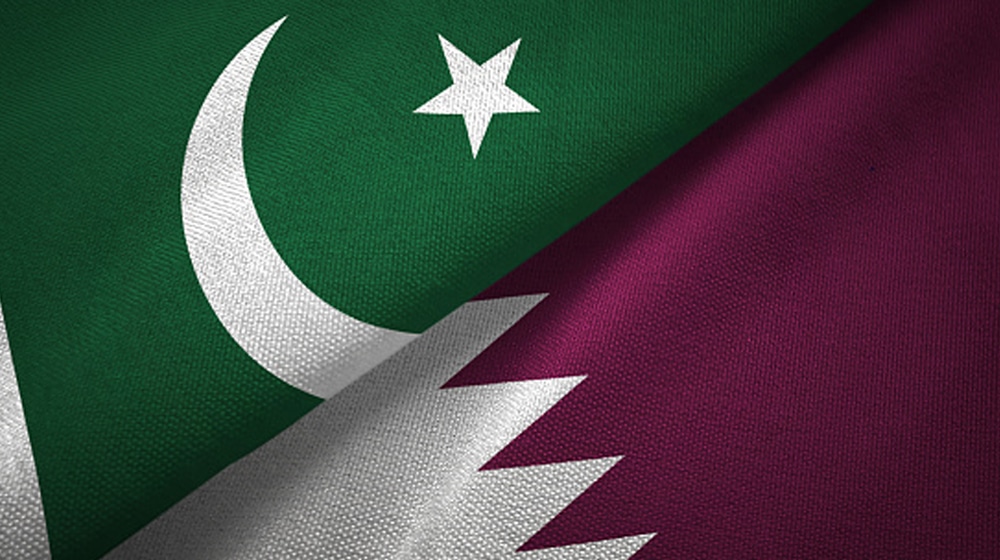
Pakistan and Qatar Join Forces to Equip Youth with Future-Ready Skills
In a significant move toward strengthening bilateral ties, Pakistan and Qatar have agreed to enhance cooperation in the education and technical training sectors. The collaboration aims to create new opportunities for youth development by equipping them with modern, globally relevant skills.
The understanding was reached during a high-level meeting between Minister of State Wajeeha Qamar and Qatari Ambassador Ali bin Mubarak Al Khater at the Qatari Embassy in Islamabad. This partnership signals a shared commitment to bridging the gap between education and employability in both nations.
Focus on Technical and Vocational Training
Both sides discussed strengthening partnerships in technical and vocational education, with a particular focus on preparing young people for the demands of the international job market. The initiative prioritizes modern disciplines such as information technology, renewable energy, digital marketing, and advanced manufacturing.
By aligning training programs with global market demands, the collaboration seeks to reduce youth unemployment and underemployment in Pakistan while providing Qatar with a skilled workforce.
Student and Teacher Exchange Programs
A key highlight of the agreement is the expansion of student and teacher exchange programs. These exchanges will allow Pakistani educators and trainees to learn from Qatar’s advanced technical institutes, while Qatari instructors can share best practices in Pakistan.
The two countries also agreed to explore new scholarship opportunities for Pakistani youth, particularly in Qatari universities and vocational academies. This will enable talented students from underserved regions to access world-class education without financial barriers.
Strengthening Institutional Linkages
Officials emphasized the importance of enhancing institutional linkages and capacity building between educational organizations in both countries. This includes joint curriculum development, faculty training workshops, and the establishment of dual certification programs.
The goal is to improve training standards so that Pakistani graduates can meet international benchmarks. Enhanced institutional cooperation will also facilitate research collaborations in emerging fields like artificial intelligence, cybersecurity, and green technologies.
Boosting Employment and Global Competitiveness
The initiative is expected to open new avenues for skill development and employment, helping Pakistani youth compete effectively in the international job market. With Qatar’s growing economy and Pakistan’s large, young population, the partnership creates a win-win scenario.
According to official estimates, over 60% of Pakistan’s population is below the age of 30. By equipping this demographic with modern skills, the country can transform its youth bulge into a demographic dividend. For Qatar, access to trained Pakistani professionals supports its National Vision 2030, which prioritizes knowledge-based economic growth.
A Model for Regional Cooperation
This collaboration between Pakistan and Qatar sets a precedent for other Gulf nations looking to invest in human capital development. Unlike traditional aid-based models, this partnership focuses on mutual capacity building and long-term economic integration.
Minister Wajeeha Qamar lauded the Qatari government’s proactive role, stating that such initiatives would “reshape the future of Pakistani youth.” Ambassador Ali bin Mubarak Al Khater reaffirmed Qatar’s commitment to sustainable development through education.
Conclusion
As Pakistan and Qatar collaborate to empower youth with modern skills, the impact will likely extend beyond employment numbers. It represents a strategic shift toward knowledge diplomacy where education becomes the foundation of international cooperation.
With robust institutional linkages, exchange programs, and vocational training at its core, this partnership promises to prepare a new generation of Pakistani professionals ready to thrive in the global economy.





Share your comments & questions here
No comments yet. Be the first to comment!