

 Home
Home
 National
 International
 Merit list
 Date Sheet
 Result
 Admission
 Study Abroad
.jpg)


Punjab Government Rejects PMDC’s Move to Cut MDCAT Merit by 3%, Warns of Education Quality Crisis
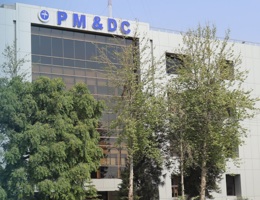
The Punjab Department of Specialised Healthcare and Medical Education has formally opposed the Pakistan Medical and Dental Council’s (PMDC) decision to lower the MDCAT passing threshold for MBBS and BDS programs.
The provincial authorities have sent a strongly worded letter to the PMDC president, arguing that reducing the merit standard by 3 percent is unjustified and threatens the quality of future doctors. The move has reignited debate over medical education standards and the growing influence of private colleges in Pakistan.
Provincial Committee Flags ‘Serious Reservations’
The dispute stems from a PMDC notification issued on April 8, 2026, which announced a reduction in the minimum merit requirement for medical and dental colleges nationwide. In response, the Punjab Provincial Admissions Committee (PAC) convened an emergency meeting on April 13, 2026, to review the council’s directive.
According to excerpts from the letter obtained by this correspondent, PAC members expressed “serious reservations” over the decision. The committee unanimously concluded that the reduction appears designed not to address a shortage of candidates, but to rescue private medical and dental colleges struggling with unfilled seats for the 2025-26 academic year.
“The reduction appears to have been introduced primarily to fill vacant seats in private medical and dental colleges,” the letter states, directly challenging the PMDC’s rationale.
Rejection of Similar Proposal in 2025 Cited
The Punjab government also reminded the PMDC that this is not the first time such a proposal has been floated. The letter notes that a similar bid to reduce the MDCAT threshold by 5 percent in 2025 was previously rejected. At that time, the province had formally communicated its concerns to the council, which seemingly went unheeded.
This historical context adds weight to Punjab’s current objection, suggesting a pattern of the federal council attempting to lower the bar for admissions despite provincial resistance.
Data Shows No Justification for Lowering MDCAT Merit
To back its argument, the Punjab committee presented raw data from this year’s MDCAT examination conducted in the province. The statistics reveal a surprising truth: there is no shortage of eligible students.
-
Total candidates appeared: 47,721
-
Candidates meeting 55% MBBS requirement: 39,648
-
Candidates meeting 50% BDS threshold: 42,048
-
Actual applicants for MBBS seats: Only 7,987
Despite over 39,000 students qualifying for MBBS programs, fewer than 8,000 actually applied for admission. The committee observed that this massive gap between eligible candidates and actual applicants proves that lowering the merit requirement is unnecessary.
“The large number of eligible candidates indicates no justification for lowering the merit requirement,” the letter emphasizes.
High Fees in Private Colleges Blamed for Vacant Seats
Rather than blaming the MDCAT merit, the Punjab government has pointed to a more systemic issue: exorbitant tuition fees in private medical institutions. The committee noted that high fees remain a key factor discouraging qualified students from applying, even when they have passed the entrance exam.
This observation shifts the debate from academic standards to economic accessibility. Sources within the department argue that the PMDC should focus on regulating private college fee structures instead of diluting merit to ensure their profit margins.
Procedural Violations Alleged Against PMDC
Beyond the substantive concerns, the PAC also raised procedural objections. The letter states that the decision to lower the MDCAT threshold should have first been reviewed by the PMDC’s Academic Board before being placed before the full council. According to Punjab’s healthcare department, this step was skipped.
The procedural lapse, combined with the substantive damage to educational standards, led the committee to unanimously oppose the 3% reduction.

Risk of Compromising Medical Education Standards
In its concluding remarks, the Punjab government issued a stern warning. The letter asserts that lowering the MDCAT threshold would directly compromise the standard of medical education in the country.
Medical experts agree that a lower entry threshold risks producing graduates with weaker foundational knowledge, which could ultimately affect patient safety and the reputation of Pakistani medical degrees internationally.
As of press time, the PMDC has not issued an official response to Punjab’s letter. However, with one of the country’s largest provinces formally opposing the decision, the council faces mounting pressure to either defend its rationale or rescind the notification. For thousands of aspiring medical students and private college owners, the coming weeks will determine whether merit or market forces prevail.