



 Home
Home
 National
 International
 Merit list
 Date Sheet
 Result
 Admission
 Study Abroad


.jpg)
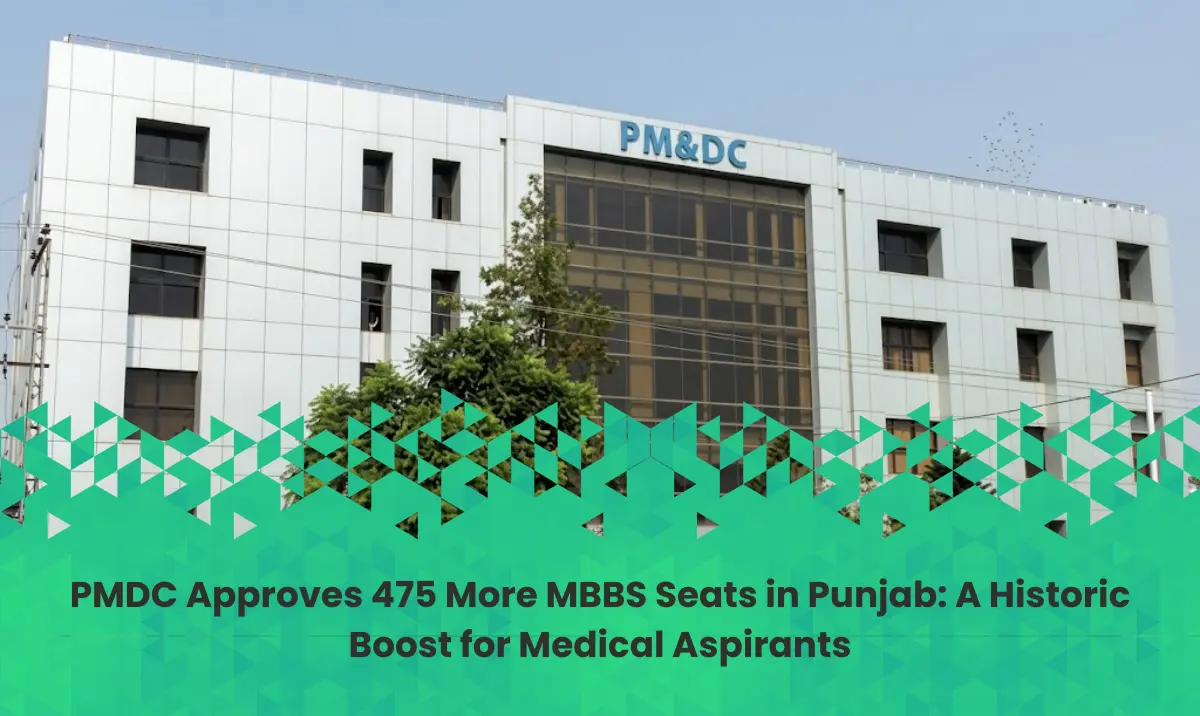
PMDC Approves Major Increase in MBBS Seats Across Punjab Government Medical Colleges
In a landmark development for medical aspirants across the province, the Pakistan Medical and Dental Council (PMDC) has officially approved a significant seat increase in public-sector medical institutions. This reform is poised to dramatically alter the landscape of medical education in Pakistan, opening up direct pathways for hundreds of hardworking candidates who narrowly miss the highly competitive cutoff merit each year.
According to official sources, PMDC has sanctioned an additional 475 MBBS seats across Punjab’s government medical colleges. This policy change expands the total public-sector MBBS capacity from its previous standing of 3,476 seats to a robust 3,951 seats .
Furthermore, when factored alongside the state’s dental programs, the collective capacity for both government medical colleges and dental colleges in Punjab has soared to a grand total of 4,241 seats . This expansion stands as one of the largest single-year public seat adjustments in recent history.
Why PMDC Approved the MBBS Seat Increase
The decision to expand public-sector capacity did not happen in a vacuum. Over the past several years, medical universities and affiliated tertiary care teaching hospitals in Punjab have drastically expanded their infrastructure. The Specialised Healthcare and Medical Education Department highlighted that the rise in hospital beds, coupled with a deliberate boost in qualified faculty recruits, justified an increase in the student-to-teacher ratio to support more trainees.
By allowing a larger cohort of students to gain entry into heavily subsidized public medical colleges , the government and PMDC hope to address the growing demand for qualified doctors, especially in rural and under-developed districts of Punjab.
Key Benefits of the MBBS Seat Increase for Students
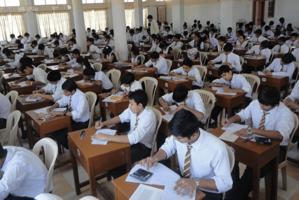
For decades, the competition to secure admission to Punjab's government medical colleges has been intense. With hundreds of thousands of students appearing for the MDCAT annually, even a fraction of a percentage point in the aggregate score can decide a student's career path.
This monumental shift offers three major benefits:
-
Relief on the Open Merit Cutoff: With 475 new slots, the closing merit aggregate is expected to experience a slight, welcoming dip, offering relief to borderline candidates.
-
Reduced Financial Burden: Public-sector medical training remains highly subsidized in Pakistan. More seats in government colleges mean fewer families will have to turn to expensive private medical colleges to fulfill their children's dreams.
-
Optimized Healthcare Infrastructure: Utilizing the expanded teaching facilities of major tertiary-care hospitals ensures that the increase in student volume translates to better hands-on clinical training without diluting educational quality.
How Does This Impact the Admission Cycle?
Admitting universities, led by the University of Health Sciences (UHS), Lahore , are actively aligning their systems to incorporate the updated seat matrix. The newly added seats will be distributed proportionally across designated public-sector institutions in accordance with established provincial quotas (such as open merit, disabled students, under-developed districts, and Cholistan reserves).
Candidates preparing for upcoming admission windows should closely monitor UHS portals for updated prospectus guidelines reflecting this 4,241-seat threshold.
A Quick Look at the Numbers
-
Additional MBBS Seats Approved: 475
-
New Total MBBS Seats (Govt): 3,951 (Up from 3,476)
-
Total Consolidated Medical & Dental Seats (Govt): 4,241
-
Key Beneficiaries: MDCAT aspirants seeking affordable public-sector medical education.




Share your comments & questions here
No comments yet. Be the first to comment!