

 Home
Home
 National
 International
 Merit list
 Date Sheet
 Result
 Admission
 Study Abroad
.jpg)


Sindh Launches Dedicated Helpline to Empower Teachers and Enhance Education System
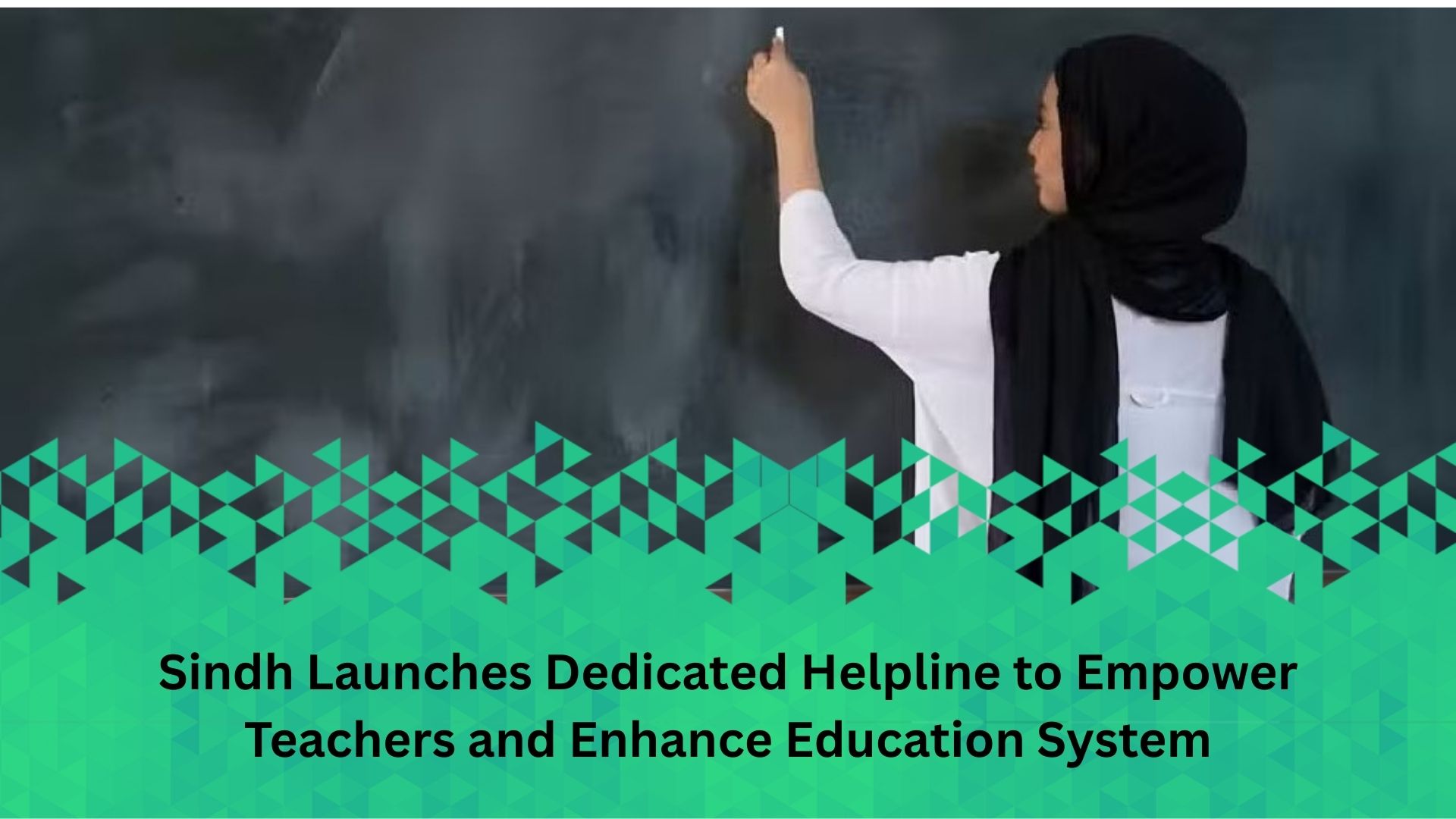
In a significant move to bolster the province's education framework, the Sindh government has officially launched the Sindh Teachers Helpline , a dedicated communication channel designed to strengthen professional support, accountability, and grievance redressal for educators. This initiative, introduced by the School Education and Literacy Department on the directives of Sindh Education Minister Syed Sardar Ali Shah , marks a pivotal step toward inclusive policymaking and systemic transparency.
A Direct Line for Educators: Objectives and Scope
The newly established helpline will serve teachers from both public and private schools across Sindh, providing a centralized platform to lodge complaints, share constructive suggestions, and seek essential professional guidance. Officials state the initiative directly results from decisions taken during the 18th meeting of the Board of Governors of the Sindh Teacher Education Development Authority (STEDA) .
“This helpline is not just a complaint cell; it is a bridge between the teaching community and the policymaking apparatus,” said Education Minister Syed Sardar Ali Shah in a statement. “Our aim is to ensure teachers’ voices are heard, respected, and included in the decisions that affect their professional lives and the education sector at large. Timely resolution of their issues is paramount.”
Operational Details: How the Sindh Teachers’ Helpline Works
In its initial phase, the helpline will operate every Wednesday from 12:00 PM to 2:00 PM . Teachers can access the service by calling 0315-1464945 . This focused window is designed to ensure dedicated and attentive service, with plans for expansion based on usage and feedback.
Crucially, complaints and issues raised will not be lost in bureaucratic channels. They will be directly handled by a dedicated redressal committee comprising MPA Tanzila Umm-e-Habiba and Additional Director DGIRPI Rafia Javed Mallah . This high-level oversight is intended to guarantee that concerns are addressed seriously and efficiently.
Beyond Grievances: Shaping Policy with Teacher Input
A standout feature of the Sindh Teachers’ Helpline is its proactive role in policy formation. Minister Shah emphasized that suggestions received from teachers through this platform would be systematically compiled and presented to the STEDA Board . This process ensures that ground-level experiences and insights from educators directly inform future education policies, program designs, and regulatory adjustments.
“Teachers are the frontline soldiers of education. Their practical experiences are an invaluable resource for improving our systems, curricula, and support mechanisms,” stated MPA Tanzila Umm-e-Habiba , a member of the redressal committee. “This helpline formalizes their contribution to governance.”
A Step Toward Transparency and Professional Empowerment
The launch is widely seen as a move to promote transparency and accountability within Sindh’s vast education sector. By offering a direct and official channel, the government aims to reduce delays and irregularities in addressing teachers’ professional and administrative issues, which range from service matters and resource shortages to professional development queries.
“Often, teachers feel disconnected from the higher authorities. This initiative can rebuild trust and assure them that the department is accessible and responsive,” commented Rafia Javed Mallah , Additional Director DGIRPI and committee member.
Stakeholder Reaction and Future Outlook
Early reactions from teacher associations have been cautiously optimistic. Representatives have welcomed the initiative as a “long-overdue” step but have called for its diligent implementation, prompt response times, and eventual expansion of operating hours.
Education analysts suggest the success of the helpline will depend on its visibility among teachers in remote districts , the efficacy of the redressal committee in solving problems, and the tangible impact of teacher suggestions on policy. If successful, it could serve as a model for other provinces seeking to engage their teaching workforce more effectively.
The Sindh Education Minister confirmed that the School Education Department would run awareness campaigns to ensure all teachers in the province are informed about the helpline and its purpose. The performance and feedback from the initial phase will be reviewed to scale and improve the service.
A New Chapter for Teacher-Government Collaboration
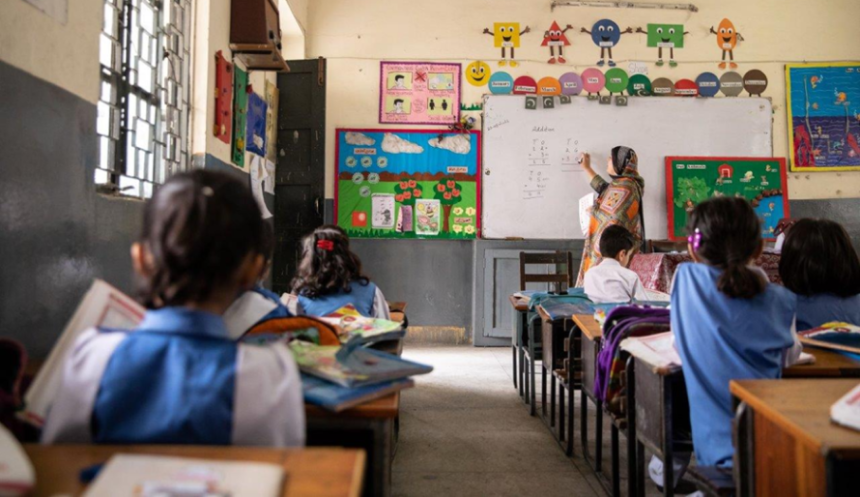
The Sindh Teachers’ Helpline represents a meaningful shift toward a more collaborative and teacher-centric governance model in education. By empowering educators with a direct voice, the Sindh government not only addresses immediate grievances but also taps into a critical well of expertise to drive systemic improvement. As the service becomes operational, the education community will be watching closely, hopeful that this direct line will translate into real, positive change in classrooms across Sindh.