




 Home
Home
 National
 International
 Merit list
 Date Sheet
 Result
 Admission
 Study Abroad
.jpg)


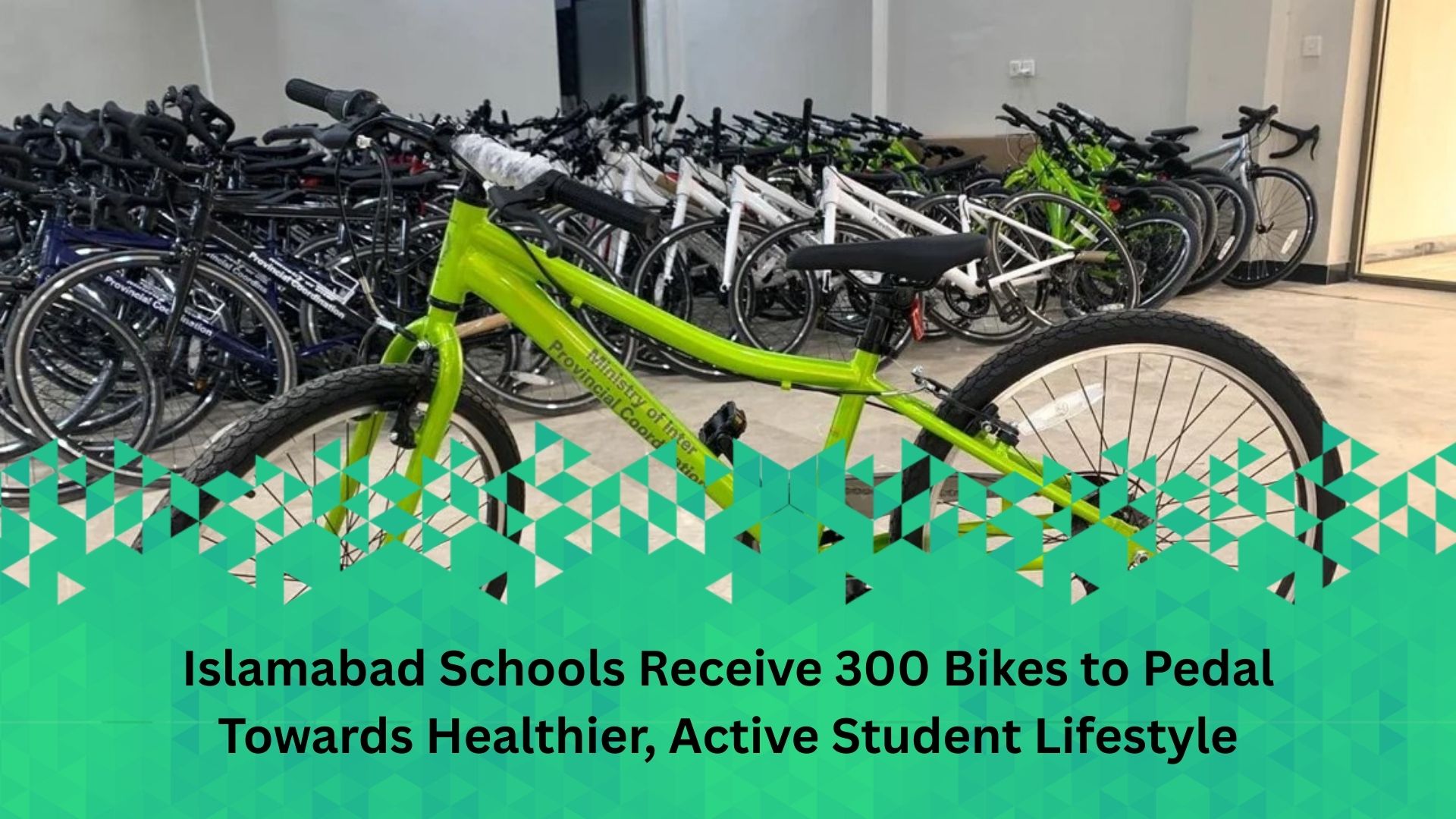
Islamabad Schools Receive 300 Bikes to Pedal Towards Healthier, Active Student Lifestyle
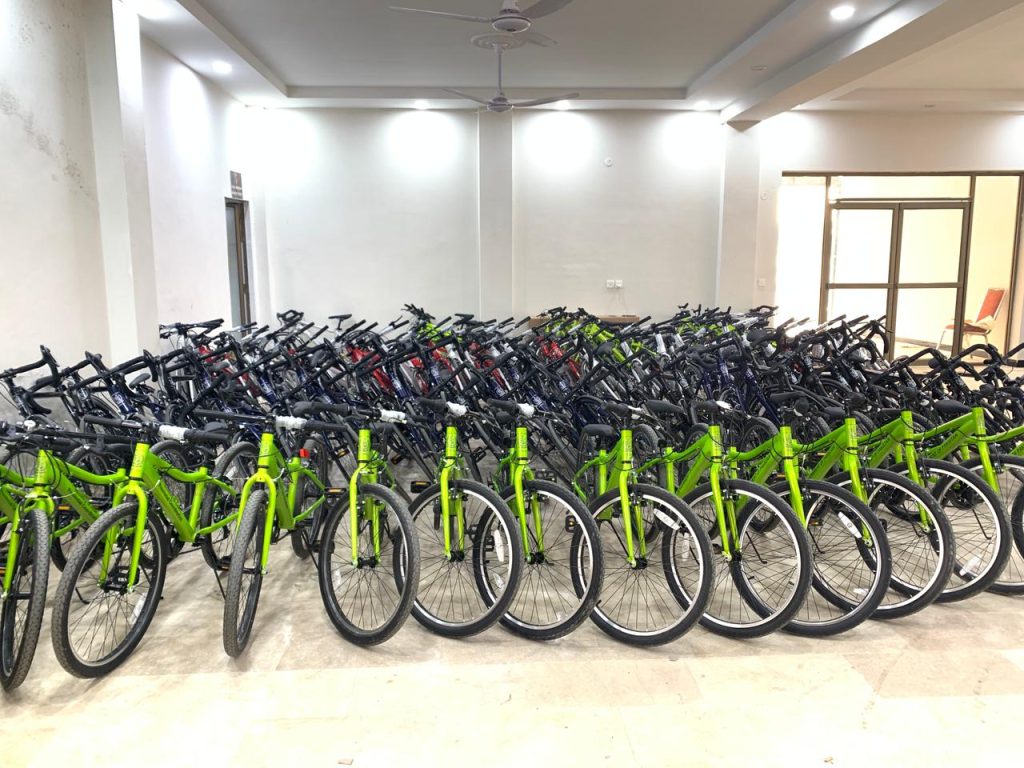
In a significant boost for youth health and sustainable mobility, 300 brand-new sports bicycles have been allocated to government educational institutions across the federal capital . This landmark initiative, launched on February 2, 2026, aims to foster a culture of cycling, physical fitness, and environmental consciousness among students.
Free Bicycle Initiative Launched for Capital’s Government Students
The Pakistan Sports Board (PSB), under the auspices of the Ministry of Inter-Provincial Coordination (IPC), is spearheading the project. The bicycles, imported from China, are being distributed to boys and girls studying up to the Intermediate level in schools and colleges managed by the Federal Directorate of Education (FDE).
While the bicycles will remain the official property of the IPC and PSB, students will have access to them entirely free of cost. This model ensures maintenance and accountability while removing financial barriers to participation.
“This is more than just providing bicycles; it’s about launching a movement for our youth’s physical and mental well-being,” stated a senior PSB official. “We are giving students the tools to embrace an active lifestyle, reduce sedentary time, and connect with their city in a new, healthy way.”
Islamabad Cycling Association to Lead Training and Club Activities
Overseeing the operational rollout and programming is the Islamabad Cycling Association (ICA). The ICA is tasked with managing the bicycles’ use, organizing structured training sessions, and cultivating student interest in cycling as both a recreational activity and a potential sport.
A central component of the initiative is the establishment of a dedicated cycling club at the iconic Pakistan Sports Complex. This club will serve as the hub for weekly free training workshops, safety seminars, and intra-school cycling competitions, creating a structured ecosystem for participants.
“Our goal is to build confidence and skill on two wheels,” said a representative from the Islamabad Cycling Association. “From learning basic road safety and bicycle handling to training for competitive events, we will provide comprehensive guidance to ensure students benefit fully from this opportunity.”
Energy with Broader Health and Tourism Initiatives in Islamabad
The bicycle distribution is not an isolated event but part of a coordinated push to promote active living and vibrant public spaces in Islamabad. Just one day prior, on February 1, 2026, the Pakistan Sports Complex hosted a lively “Fun Run & Ride” event, attracting families and fitness enthusiasts as a key feature of the ongoing Tourism Festival 2026.
These parallel events signal a concerted effort by federal authorities to position the capital as a city that prioritizes citizen health, outdoor activity, and family-friendly tourism.
CDA’s Cycling Infrastructure Development Supports Safety for Young Riders
Complementing the bicycle distribution, the Capital Development Authority (CDA) is actively expanding the city’s network of dedicated cycling lanes. Notable projects include the well-used tracks in the sprawling F-9 Park, with plans for further expansion into other sectors and green belts.
This infrastructure development is critical for ensuring the safety of young, novice cyclists, providing them with secure spaces to ride away from main vehicular traffic. The synergy between providing bicycles and building safe pathways underscores a holistic approach to the initiative’s long-term success.
“The CDA is committed to making Islamabad a bicycle-friendly city,” a CDA spokesperson commented. “Our ongoing work on dedicated cycling tracks is a foundational element that supports such positive programs for our youth, ensuring they have safe corridors to enjoy their new bicycles.”
Expected Impact: Health, Environment, and Traffic Decongestion
Education and health analysts predict multiple benefits from the sustained success of this program:
-
Improved Physical Health: Regular cycling combats childhood obesity, improves cardiovascular fitness, and enhances overall stamina.
-
Mental Well-being: Physical activity like cycling is proven to reduce stress, anxiety, and improve mood and concentration levels, potentially aiding academic performance.
-
Environmental Benefits: Promoting non-motorized transport from a young age instills eco-friendly habits, contributing to reduced carbon emissions and cleaner air.
-
Traffic Reduction: Encouraging cycling for short commutes to school or nearby areas can help alleviate peak-hour traffic congestion around educational institutions.
-
Inclusivity and Access: By focusing on government schools, the program democratizes access to sports equipment and healthy recreation, bridging opportunity gaps.
The Road Ahead: A Sustainable Model for Active Youth
The “300 Bikes for Islamabad Students” project is being closely watched by community stakeholders and other provincial education departments as a potential model for replication. Its success will hinge on consistent maintenance of the bicycle fleet, engaging and regular programming by the ICA, and the continued expansion of safe cycling infrastructure by the CDA.
For the students of Islamabad, this initiative represents a fresh opportunity to pedal towards a healthier, more active, and environmentally conscious future. As the bicycles hit the schoolyards and cycling tracks, they carry the promise of transforming not just commutes, but lifestyles for the capital’s younger generation.





Share your comments & questions here
No comments yet. Be the first to comment!