




 Home
Home
 National
 International
 Merit list
 Date Sheet
 Result
 Admission
 Study Abroad
.jpg)


Sindh Extends Winter School Timings Until February 4 Amid Persistent Cold Wave
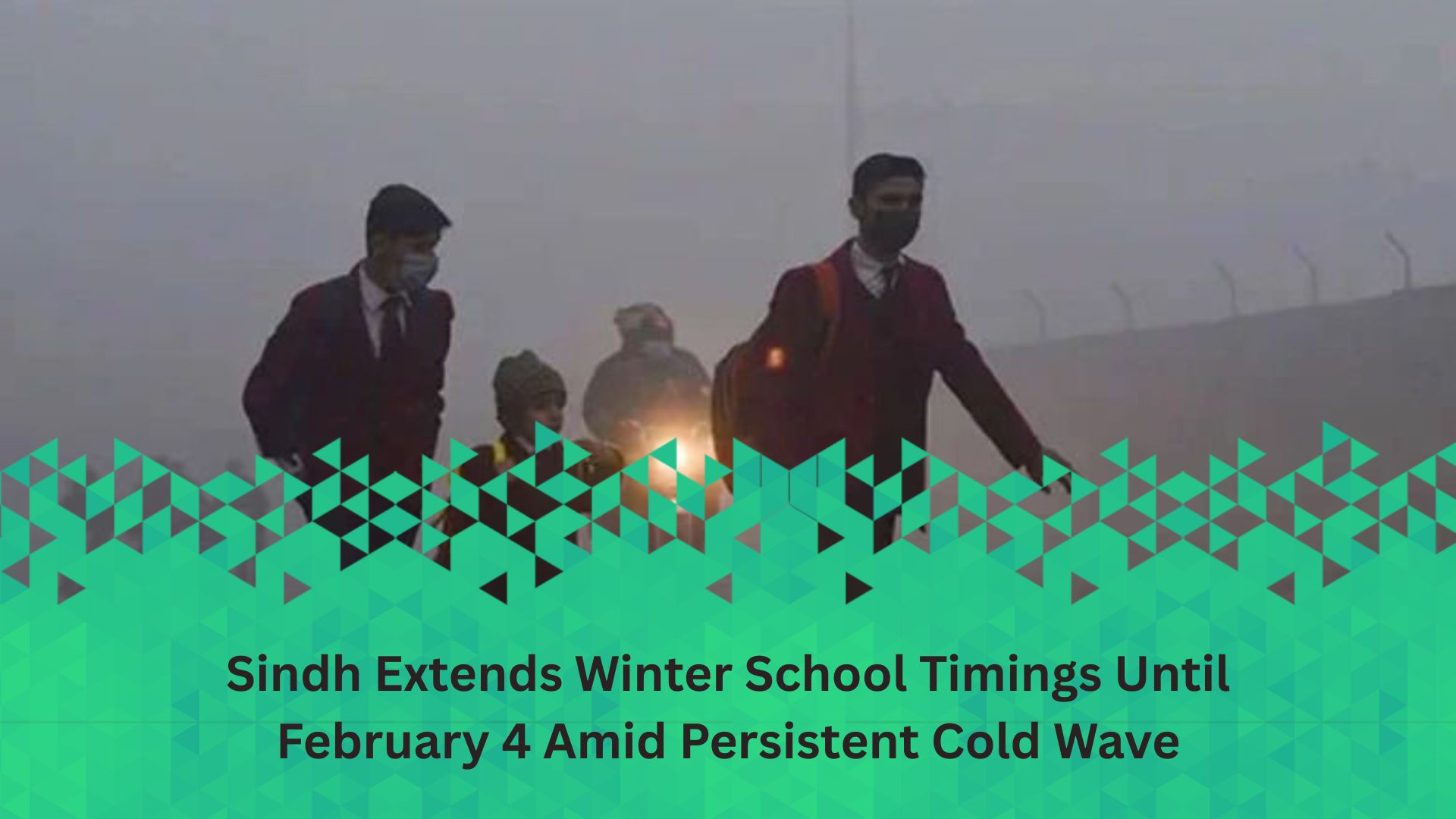
In a decisive move prioritizing student and staff welfare, the Sindh School Education and Literacy Department has formally extended its revised winter school timings across the province. The directive, announced officially on Sunday, mandates that all public and private educational institutions will continue to commence classes at 9:00 AM until February 4, 2026 . This marks the second extension of the cold weather policy initially enacted earlier this month, responding to an unabated cold wave gripping the region.
Official Notification and Chronology of the Decision
The department issued a formal notification stating the extension was "in continuation of the January 10 order." This latest directive ensures that the revised morning schedule remains in effect for schools under its administrative control. The closing timings for institutions, however, will remain unchanged, with dismissal proceeding according to each school’s standard afternoon schedule.
This decision follows an initial adjustment made on January 10 , when the Sindh Education Department first reacted to plunging temperatures by shifting school start times to 9:00 AM. That order was subsequently extended once, lasting until January 26 . With meteorological indications and on-ground reports suggesting the persistence of severe cold conditions, the department has now pushed the deadline further to the first week of February.
Primary Rationale: Safeguarding Health in Intensified Cold
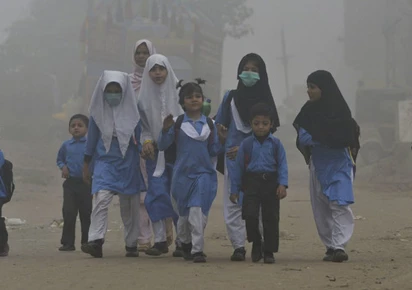
A spokesperson for the Sindh Education Department explicitly cited the "intensified cold conditions across Sindh" as the core reason for the extension. The move is a direct administrative response to protect the health and well-being of millions of students, particularly younger children, who are vulnerable to cold-related illnesses such as flu, bronchitis, and hypothermia during early morning travel.
The decision was enacted under the directives of Sindh Education Minister Syed Sardar Ali Shah , highlighting a top-down approach to crisis management in the education sector during extreme weather events. "The Minister’s primary concern is the safety and comfort of our students. Allowing them to begin their day a little later minimizes exposure to the most severe morning chill," the department spokesperson added.
Parents Reactions and On-Ground Impact
The extension has been met with widespread approval from parent groups and teacher associations. Many parents had expressed anxiety over sending children to school in the dark, pre-dawn cold, often exacerbated by fog in many districts.
"This is a very welcome and sensible decision, a parent from Hyderabad. "The mornings have been bitterly cold. A 9 AM start means my children can travel in slightly better light and warmth, reducing the risk of getting sick."
School administrators have also acknowledged the logistical relief. "It provides consistency and allows us to plan the academic week effectively, rather than facing week-to-week uncertainty," noted Principal of a model school in Sukkur. "While we are compressing the school day slightly, the trade-off for student and teacher health is unquestionably worth it."
Broader Context: Weather Patterns and Administrative Preparedness
Sindh, particularly its central and northern regions including cities like Larkana, Jacobabad, and Sukkur, has experienced a significant dip in temperatures this winter, with mercury often falling into single digits (°C). Jacobabad, historically known for extreme heat, has also recorded notably cold temperatures, underscoring the unusual severity of the current weather pattern.
The provincial education department’s proactive and extended measures reflect a growing institutional sensitivity to climate variability and its impact on public service delivery. By implementing a uniform policy for both public and private sectors, the department has ensured a standardized response, avoiding confusion and maintaining equity in instructional hours across the board.
Looking Ahead: Academic Calendar and Future Protocols
With the new deadline set for February 4, the department has indicated it will continue to monitor weather forecasts closely. Officials suggest that should the cold wave persist beyond this date, a further extension remains a possibility, though no formal indication has been given yet.
This recurring adjustment also sparks a conversation about the potential for building more flexible, weather-responsive protocols into the annual academic calendar. Education analysts suggest that predefined thresholds for temperature or weather warnings could trigger automatic timing adjustments, streamlining the process for future winters.
A Prudent Measure for Public Welfare
The Sindh Education Department’s extension of winter school timings until February 4 stands as a clear, student-centric administrative action. By prioritizing health and safety over rigid scheduling, the province aims to ensure that the learning environment remains conducive and secure during a period of environmental adversity. As families and schools adapt to this extended schedule, the collective focus remains on navigating the remaining winter weeks with minimal disruption to education and maximal protection for the province’s young learners.






Share your comments & questions here
No comments yet. Be the first to comment!