




 Home
Home
 National
 International
 Merit list
 Date Sheet
 Result
 Admission
 Study Abroad



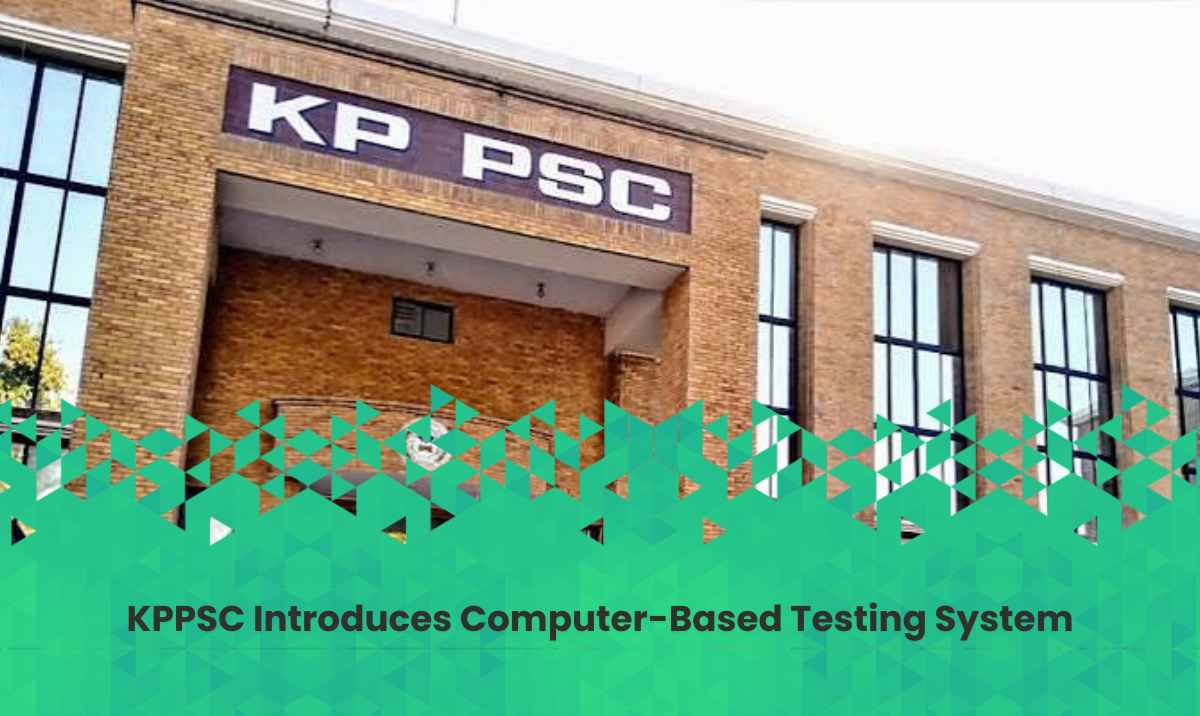
KPPSC Introduces Computer-Based Testing System to Modernize Recruitment Exams
The Khyber Pakhtunkhwa Public Service Commission (KPPSC) has officially ushered in a transformative era for public sector recruitment by introducing a state-of-the-art Computer-Based Testing (CBT) system. This monumental shift marks a massive departure from traditional pen-and-paper examinations, aligning the province's employment testing procedures with global digital standards. As administrative processes become increasingly digitized, the launch of the KPPSC Computer-Based Testing initiative promises greater efficiency, transparency, and speed in evaluating prospective candidates for prestigious government positions.
According to the commission’s newly released 17th Schedule of 2026, the very first batch of these computerized assessments is officially slated to begin on September 24, 2026. Aspirants preparing for upcoming public service roles must familiarize themselves quickly with this new framework to secure a competitive edge.
The Shift to Digital: Understanding the KPPSC CBT System
For decades, public service commissions across Pakistan have relied on conventional paper-based OMR (Optical Mark Recognition) sheets and subjective answer books. While reliable, these legacy methods often entail prolonged evaluation cycles, heavy logistical coordination, and manual checking vulnerabilities. By rolling out the CBT system KPPSC authorities aim to streamline everything from question paper distribution to automated result compilation.
The newly minted KPPSC Computer-Based Testing framework is designed to handle multiple-choice question (MCQ) assessments seamlessly. Under the inaugural KPPSC 17th schedule 2026, various professional, technical, and administrative cadres will transition directly onto computer monitors.
Key Objectives of the New Testing Framework:
-
Enhanced Transparency: Digital delivery minimizes human intervention during paper handling, reducing security risks.
-
Rapid Result Generation: Automated grading systems allow the commission to process scores exponentially faster than manual checks.
-
Paperless Environment: Adopting digital exams supports eco-friendly, paperless administration practices.
-
Standardized Evaluation: Every candidate experiences an identical interface, ensuring a uniform testing environment.
Detailed Breakdown of the KPPSC 17th Schedule 2026
The transition kicks off in late September, targeting specialized roles under Advertisement No. 2/2026. According to the notification issued by the Khyber Pakhtunkhwa Public Service Commission, the operational details for the initial rollout are meticulously planned.
The computer-based ability tests will run across specialized slots on September 24 and September 25, 2026. Notable posts featured in this inaugural digital phase include:
-
Senior Instructor (Criminology) – BPS-17 in the Home & TA Department.
-
Law Officer – BPS-17 in the Home & TA Department (Inspectorate General of Prisons).
-
Mobile Application Developer – BPS-17 in the Agriculture Department.
-
Network Administrator – BPS-17 in the Agriculture Department.
Each of these examinations will consist of targeted components, such as a 45-MCQ format mapped closely to the prescribed academic and professional qualifications for each respective role.
Important Guidelines and Conditions for Candidates
While the commission is eager to implement this advanced setup, logistical realities remain a factor. The KPPSC has clarified that these computer-based assessments will be conducted strictly subject to the availability of IT labs. Because state-of-the-art computer infrastructure is required, batch sizing and venue allocations will depend heavily on the capacity of designated examination centers.
To ensure a smooth transition, the commission has laid down explicit guidelines that every applicant must follow:
1. Practice via Official Tutorials
Because many candidates may be stepping into a digital testing environment for the first time, the commission has urged applicants to proactively prepare. Candidates are strongly advised to visit the official KPPSC website to download instructional videos and software tutorials. Practicing the CBT format beforehand helps reduce exam-day anxiety and prevents technical errors during the actual test.
2. Downloading Call Letters & Roll Number Slips
Call letters for eligible candidates will be hosted online. Applicants must log into the portal, print out their official roll number slips, and verify their respective reporting times.
3. Mandatory Documentation
On the day of the test, candidates must bring:
-
A printed copy of their official KPPSC roll number slip / call letter.
-
Their Original Computerized National Identity Card (CNIC).
-
Note: Entry into the test center will be strictly denied to anyone lacking these credentials.
4. Zero-Tolerance Prohibitions
Strict disciplinary measures remain enforced under the new digital system. Carrying mobile phones, smartwatches, Bluetooth devices, electronic gadgets, or any unauthorized material inside the examination center is strictly prohibited. Violation of these rules leads to immediate disqualification.
What This Means for Future Applicants of Khyber Pakhtunkhwa Public Service Commission
The integration of the CBT system KPPSC is not merely a one-off experiment; it represents the future trajectory of civil service and departmental recruitment in Pakistan. As the commission tests the waters with specialized BPS-17 posts in September 2026, successful implementation will likely pave the way for broader integration across mass-recruitment exams, including Provincial Management Service (PMS) screening tests and large-scale educator recruitment drives.
For aspirants, this means tech-literacy is no longer optional. Beyond mastering subject-specific syllabi, candidates must cultivate comfort with digital navigation, on-screen timers, and mouse-driven answer selection.
Steps to Prepare for Upcoming KPPSC Computer-Based Tests:
-
Monitor Official Channels: Keep a close eye on the KPPSC website for updates regarding the 17th schedule and subsequent announcements.
-
Utilize Demo Software: Spend hours practicing on mock interface test links if available, or simulate timed 45-question digital quizzes on personal computers.
-
Verify Contact Information: Ensure your registered mobile number and email remain active so you do not miss critical SMS alerts or scheduling updates sent by the commission's examination wing.









.jpg)
Share your comments & questions here
No comments yet. Be the first to comment!