




 Home
Home
 National
 International
 Merit list
 Date Sheet
 Result
 Admission
 Study Abroad
.jpg)


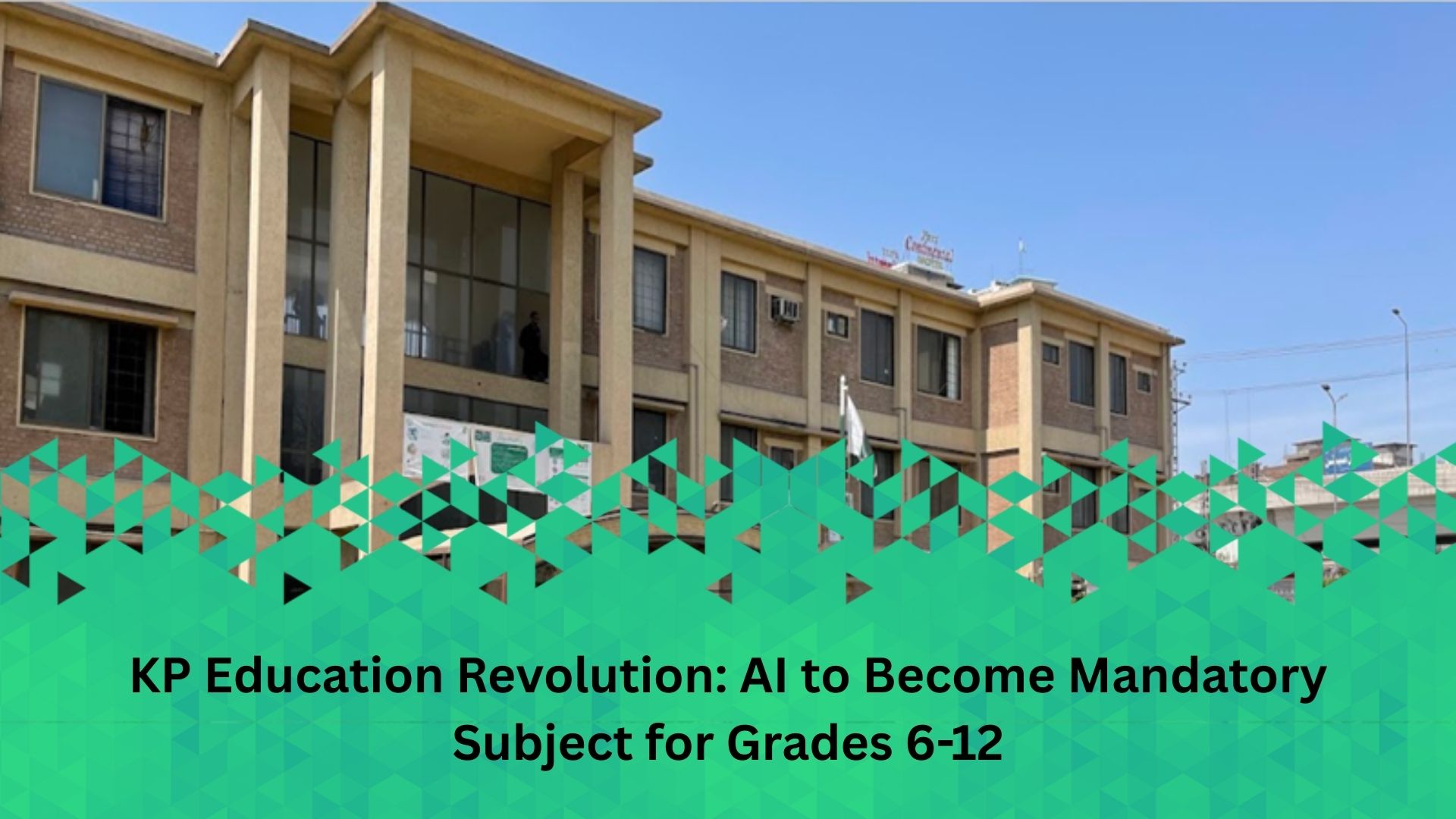
KP Education Revolution: AI to Become Mandatory Subject for Grades 6-12
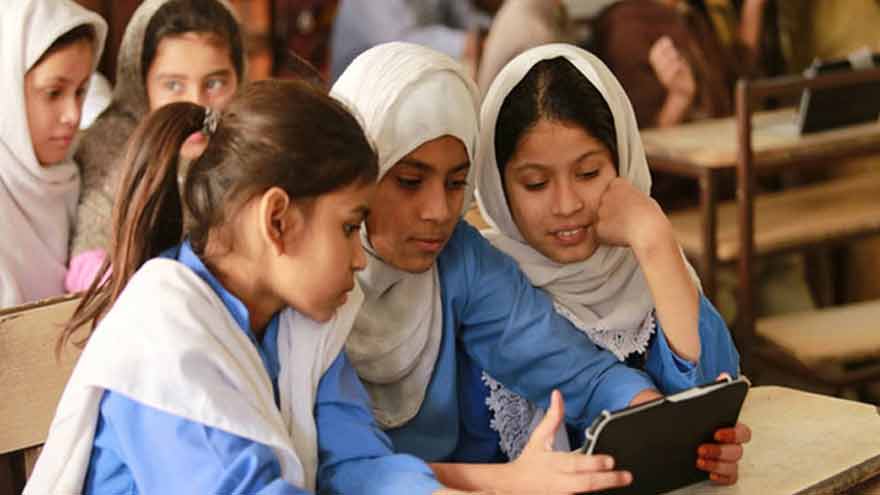
In a landmark decision poised to redefine the educational landscape, the Government of Khyber Pakhtunkhwa has mandated the introduction of Artificial Intelligence (AI) as a compulsory subject for students from grades 6 to 12 in all government schools . The initiative, scheduled for a phased rollout starting in March 2026, represents a bold step towards aligning the province’s youth with global technological advancements and future-proofing their academic and professional careers.
Strategic Move to Modernize Provincial Education System
Official documents and statements from the Khyber Pakhtunkhwa Education Department confirm the strategic policy shift. The core objective is to systematically modernize the province's education framework by integrating cutting-edge digital skills directly into the mainstream curriculum. This initiative transitions AI education from a peripheral concept to a core component of a student's learning journey.
"The decision underscores our commitment to not just keep pace with global trends but to actively prepare our students to lead in the fields of tomorrow," stated a senior official from the KP Education Department. "Integrating AI literacy is no longer optional, it is fundamental to ensuring our students are competitive on national and international platforms."
Major Infrastructure and Curriculum Gaps Identified
However, the ambitious plan comes with significant preparatory challenges. A comprehensive assessment has revealed a substantial deficit in the necessary physical infrastructure. According to official estimates, a total of 5,525 new IT laboratories are urgently required across the province to facilitate hands-on AI instruction.
The breakdown of this shortage is stark:
-
3,515 laboratories are needed at the middle school level.
-
225 laboratories are required for higher secondary schools.
-
An additional 1,785 labs are needed across other grade tiers.
Furthermore, officials confirmed that the existing Computer Science curriculum lacks any substantial AI-related content. This necessitates a complete overhaul and development of a new, structured syllabus tailored to different age groups and competencies.
Phased Curriculum Integration and Teacher Recruitment Drive
To ensure effective and age-appropriate learning, the AI content will be integrated gradually:
-
A dedicated percentage of the revised curriculum, ranging from 35% to 50% , will focus on AI concepts, varying by grade level.
-
The content will progress from foundational digital literacy and basic computational thinking in lower grades to more advanced topics like machine learning, data ethics, and problem-solving with AI tools in higher grades.
Recognizing that quality education hinges on qualified educators, the government has launched a massive recruitment drive. Plans are underway to hire 7,555 specialized IT teachers to deliver the new curriculum. These educators will undergo specialized training to equip students with modern digital skills and navigate the complexities of AI education.
Aligning with Global Trends for Future Readiness
Education analysts see this move as a critical response to the Fourth Industrial Revolution. "Countries worldwide are integrating AI into their national education strategies," commented, an education policy expert based in Islamabad. "KP's initiative, if implemented effectively, could place its students at the forefront of technological adoption in Pakistan, enhancing their readiness for both higher education and a rapidly evolving job market."
The government's vision is clear: to transform students from passive technology consumers to informed creators and critical thinkers capable of engaging with AI systems responsibly and innovatively.
The Roadmap to Implementation: A Multi-Phase Approach
With the March 2026 deadline in sight, authorities have outlined a multi-phase implementation strategy:
-
Curriculum Development: Finalizing age-appropriate, competency-based syllabi and learning materials.
-
Infrastructure Overhaul: A major capital investment program to establish the required 5,525 IT labs, including hardware, software, and high-speed internet connectivity.
-
Faculty Building: Recruiting and extensively training the cadre of 7,555 new IT teachers.
-
Pilot Programs & Scaling: Likely initiating pilot projects in select schools to refine the approach before a full-scale provincial launch.
Challenges and the Path Forward
The scale of the challenge is considerable. Bridging the infrastructure gap, ensuring equitable access for schools in remote districts, and developing a sustainable teacher training pipeline will require consistent funding and administrative focus. Stakeholders emphasize the need for public-private partnerships and potential international collaborations to share best practices and resources.
The Khyber Pakhtunkhwa government's decision to mandate AI education marks a visionary, albeit daunting, leap. Its success will depend on meticulous execution, robust investment, and sustained political will. If achieved, it could set a transformative precedent for education reform across Pakistan, empowering a new generation with the skills to navigate and shape the digital future.









Share your comments & questions here
No comments yet. Be the first to comment!