



.jpg)
 Home
Home
 National
 International
 Merit list
 Date Sheet
 Result
 Admission
 Study Abroad
.gif)


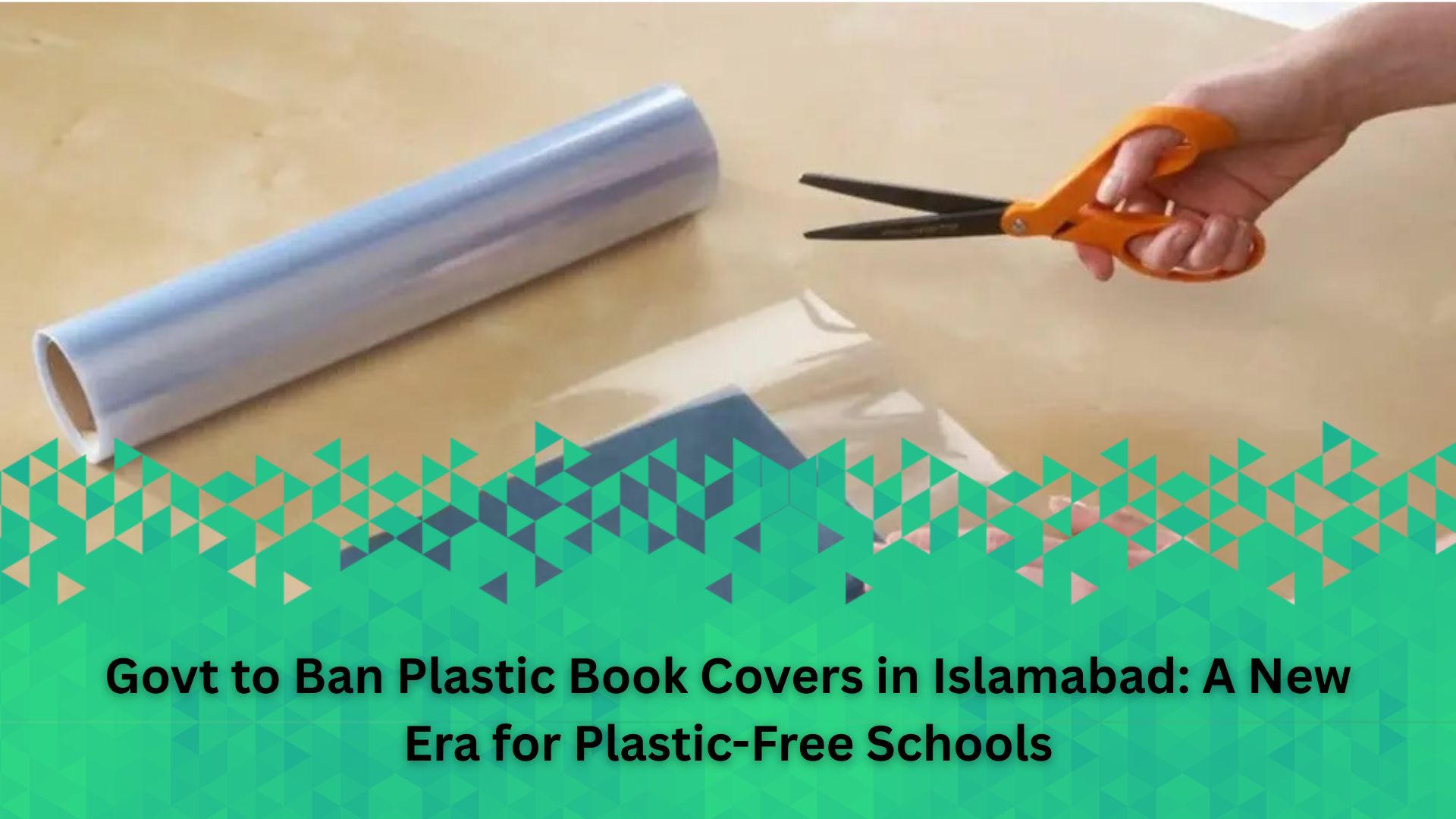
A great move to combat the country’s growing plastic pollution crisis, the federal government has officially passed legislation to prohibit plastic-wrapped books in the capital. The Islamabad Plastic Book Covers Bill 2026 marks a turning point in Pakistan Environmental Reforms 2026 , targeting the educational sector to foster a culture of sustainability.
Landmark Legislation Passed by National Assembly
The National Assembly of Pakistan has officially passed the Islamabad Capital Territory (Prohibition of Plastic Book Covers) Bill, 2026. This new legislation prohibits the sale and distribution of books wrapped in plastic covers within the federal capital. Consequently, the government aims to reduce the massive environmental burden of single-use plastics.
MNA Syed Naveed Qamar introduced the bill, which received final approval on May 12, 2026. The legislation highlights that Pakistan generates approximately 3.9 million tonnes of plastic waste every year. Much of this waste consists of thin, non-recyclable films that contaminate water resources and harm wildlife.
Challenging the Durability Myth
The bill specifically challenges the common belief that plastic covers provide durable protection. Instead, it describes this perception as a misleading justification for using unnecessary single-use materials. Therefore, the law encourages schools to adopt sustainable alternatives like paper, cloth, or biodegradable materials.
This shift toward Eco-Friendly School Book Covers is expected to save thousands of tons of waste from entering landfills annually. The government has partnered with local environmental NGOs to help schools transition to reusable wrapping solutions without imposing financial burdens on parents.
Strict Penalties and Enforcement
The new law empowers the Islamabad district administration to inspect shops and schools to ensure compliance. Authorized officials can now impose on-the-spot fines and confiscate prohibited materials immediately. Under the proposed measures, first-time violators will face fines of up to Rs. 50,000, while repeat offenses can attract penalties of up to Rs. 100,000.
These strict penalties aim to trigger a structural shift toward a cleaner, Plastic-Free Schools Islamabad future. Educational institutions failing to comply risk not only fines but also public naming by the environmental protection agency.
A Federal Push for Plastic Waste Reduction
This federal move follows a similar province-wide ban in Sindh, where the government recently restricted the production and sale of plastic bags. The Sindh Environment Department began enforcing these rules after formal cabinet approval on April 15. By aligning federal and provincial efforts, Pakistan seeks to modernize its waste management infrastructure.
This coordinated approach is central to Plastic Waste Reduction Pakistan strategy. The Single-Use Plastic Ban Pakistan advocates have long argued that book covers represent a trivial yet massive source of pollution, as they are often discarded immediately after purchase.
Impact on Sewage and Public Health
These combined actions will help protect public health and prevent the recurring blockages in urban sewage systems caused by plastic waste. According to the Pakistan Plastic Waste Management report, thin plastic films are responsible for nearly 40% of the blockages in the capital’s drainage network during monsoon season.
By implementing a Federal Plastic Ban Pakistan specifically targeting book covers, the government is closing a loophole that previously allowed distributors to label educational supplies as exempt from general plastic regulations.
Implementation Timeline and Industry Response
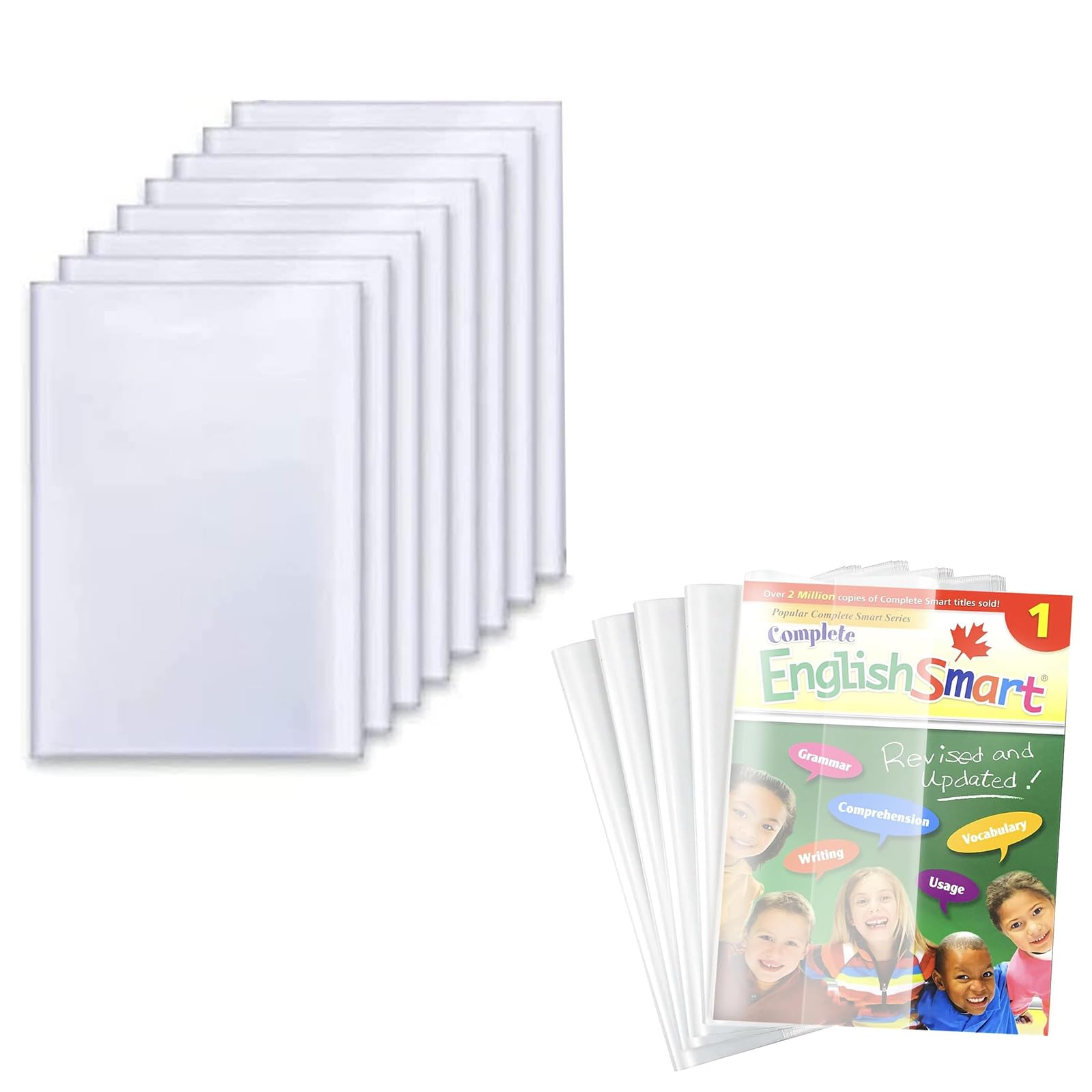
The Ban on Plastic Covers in Schools will take effect 90 days after the president’s formal assent. Book publishers and stationery distributors in Islamabad have been given a grace period to exhaust existing non-biodegradable stock. However, authorities have warned that stockpiling will not be tolerated, and customs officials have been directed to stop the import of thin plastic rolls used for wrapping books.
Major textbook publishers have already begun shifting to recycled paper bands and cloth-based binding. The All-Pakistan Stationery Dealers Association has voiced concerns over the transition cost but has pledged cooperation after meetings with the Ministry of Climate Change.
Public Reaction and Future Outlook
Public response has been largely positive, with parent-teacher associations in sectors F-7, G-10, and I-8 launching awareness drives. Students are being encouraged to decorate cloth covers as part of art competitions. The government is also offering tax incentives to manufacturers producing bio-degradable laminates that comply with the new Eco-Friendly School Book Covers standards.
As the capital moves toward a plastic-free academic environment, environmental experts predict that other major cities—including Lahore, Karachi, and Peshawar will soon follow this legislative model. For now, Islamabad stands as the first federal territory to explicitly criminalize plastic book wrapping, setting a precedent for Pakistan Environmental Reforms 2026 across the country.




.jpg)
.jpg)
.jpg)
Share your comments & questions here
No comments yet. Be the first to comment!