




 Home
Home
 Education
 Technology
 Relationship
 History
 Business
 Career
 Religion
.jpg)


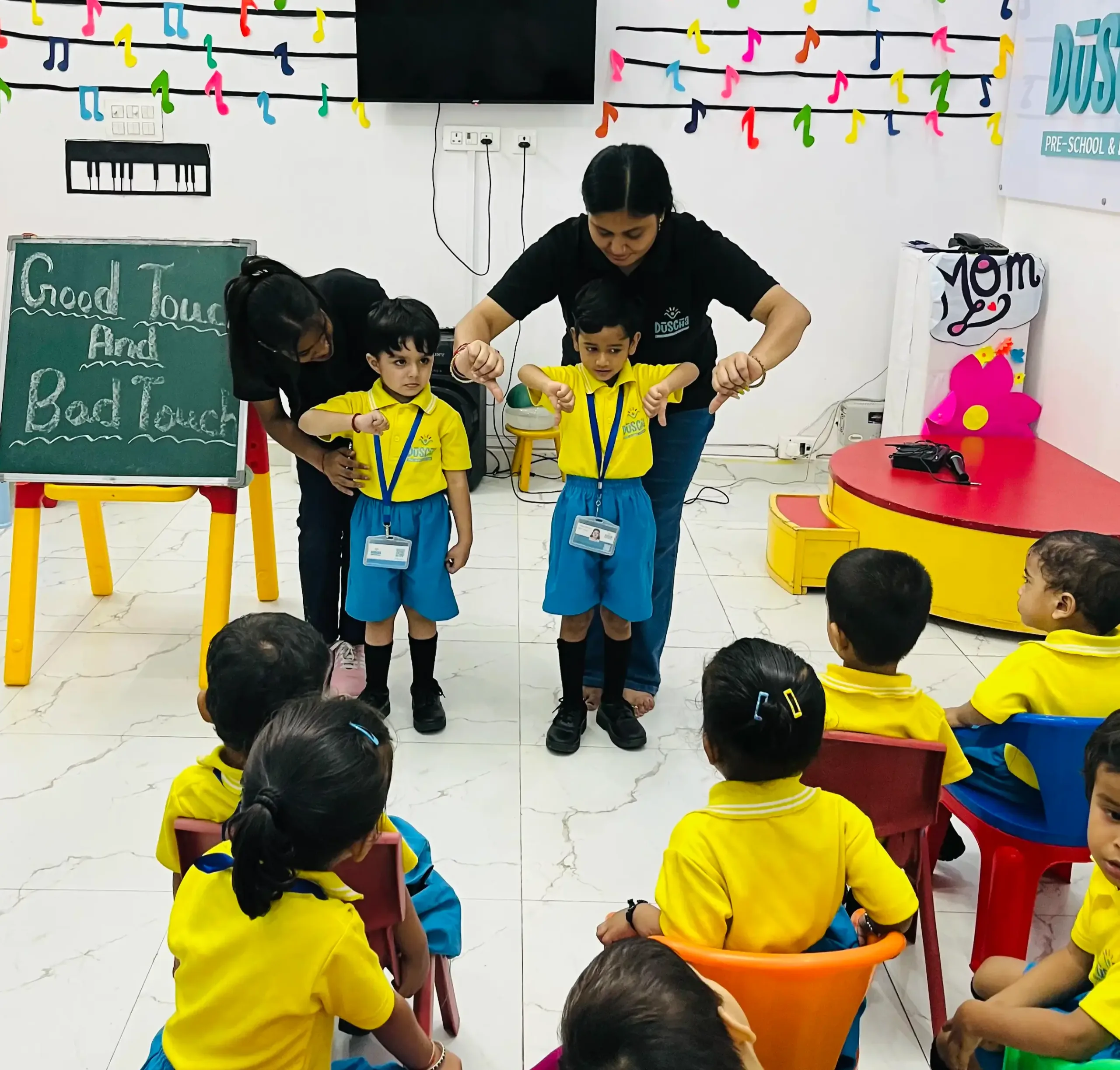
Empowering a Generation: The Push for 'Good Touch, Bad Touch' Education in Schools
In a significant move towards safeguarding the nation’s future , the Parliamentary Caucus on Child Rights (PCCR) has put forth a crucial recommendation: integrating comprehensive ‘ Good Touch, Bad Touch’ education into the core school syllabus . This initiative aims to arm children with the knowledge and awareness necessary to protect themselves from abuse, marking a potential turning point in child rights advocacy in the country.
A Proactive Step for Child Safety
The recommendation emerged from a pivotal meeting of the PCCR at Parliament House, which brought together provincial and regional coordinators to address pressing child rights challenges. Chaired by Convenor Dr. Nikhat Shakeel Khan, the session focused on enhancing policy coordination and strengthening the often-complex federal-provincial collaboration on child welfare issues.
The call for ‘Good Touch, Bad Touch’ education is not merely about adding another subject to the curriculum; it is a foundational strategy for primary abuse prevention. By teaching children from a young age to understand the difference between safe and unsafe physical contact, the program seeks to break the silence and stigma surrounding sexual abuse. It empowers children to recognize inappropriate behavior, assert boundaries, and seek help from trusted adults.
A Multifaceted Approach to Child Rights
The caucus meeting highlighted that child protection cannot exist in a vacuum. The discussions revealed a holistic view of the threats to child well-being, with members outlining a multi-pronged action plan:
-
Data-Driven Policy: Dr. Khan emphasized the critical need for reliable, centralized data from institutions like the Health Services Academy and the National Institutes of Health (NIH). Evidence-based policymaking is essential to tackle issues like stunted growth and to measure the true impact of intervention programs.
-
Safe Learning Environments: Islamabad Coordinator Asia Naz Tanoli, MNA, advocated for the installation of safety cameras in schools, a tangible step towards deterring harassment and ensuring secure educational spaces.
-
Systemic Reporting Mechanisms: Sindh Provincial Coordinator Dr. Shazia Sobia Aslam Soomro, MNA, stressed the need for systematic federal and provincial data collection on child abuse. She highlighted existing child protection units in Karachi and called for a nationwide campaign to encourage children to report violations confidently.
-
Broader Health and Social Concerns: The scope of the discussion extended beyond direct abuse. AJK Regional Coordinator Kiran Imran Dar, MNA, raised alarms over children's health, citing excessive consumption of fizzy drinks. Punjab Coordinator Saba Sadiq, MNA, expressed grave concern over children being exploited in drug smuggling, begging rings, and sexual exploitation, urging media regulator PEMRA to amplify coverage of these issues.
Confronting Deep-Rooted Challenges
The meeting did not shy away from daunting statistics and systemic gaps. Parliamentary Secretary for Federal Education Farah Akbar Naz, MNA, delivered a sobering warning that the number of out-of-school children likely far exceeds the official figure of 26 million, necessitating an urgent reassessment. This vast population of unattended children is particularly vulnerable to all forms of exploitation and abuse.
Furthermore, legislative and procedural reforms were proposed to ensure justice. Syed Ali Qasim Gillani, MNA, suggested legislation for summary trials in child abuse cases, with verdicts mandated within three months, a measure aimed at delivering swift justice and deterring perpetrators.
The Path Forward: Coordination and Commitment
The provincial commitments showcased a unified front. From Balochistan Coordinator Kiran Haider’s push to formally notify a provincial Child Rights Caucus, to KP Coordinator Shaista Khan’s call for improved nutrition standards in shelter homes, the resolve to address child rights at every tier of governance was clear.
The overarching theme of the meeting was the undeniable need for synergy. The success of introducing ‘Good Touch, Bad Touch’ education and indeed, all child protection measures hinges on seamless collaboration between the federal government, provincial ministries of education and health, law enforcement, and civil society.
An Investment in the Future
The Parliamentary Caucus on Child Rights has laid a visionary roadmap. Integrating ‘Good Touch, Bad Touch’ education into schools is a proactive, preventive measure that could transform societal responses to child abuse. It shifts the onus from reaction to prevention and empowers children as active participants in their own safety.
When combined with robust data systems, safer school infrastructure, swift judicial processes, and nationwide awareness campaigns, this initiative can create a formidable protective ecosystem for children. Implementing this recommendation is not just a policy choice; it is a moral imperative and a critical investment in building a safer, healthier, and more empowered generation. The time for concerted action, as stressed by the caucus, is now.








Share your comments & questions here
No comments yet. Be the first to comment!