




 Home
Home
 Education
 Technology
 Relationship
 History
 Business
 Career
 Religion
.jpg)


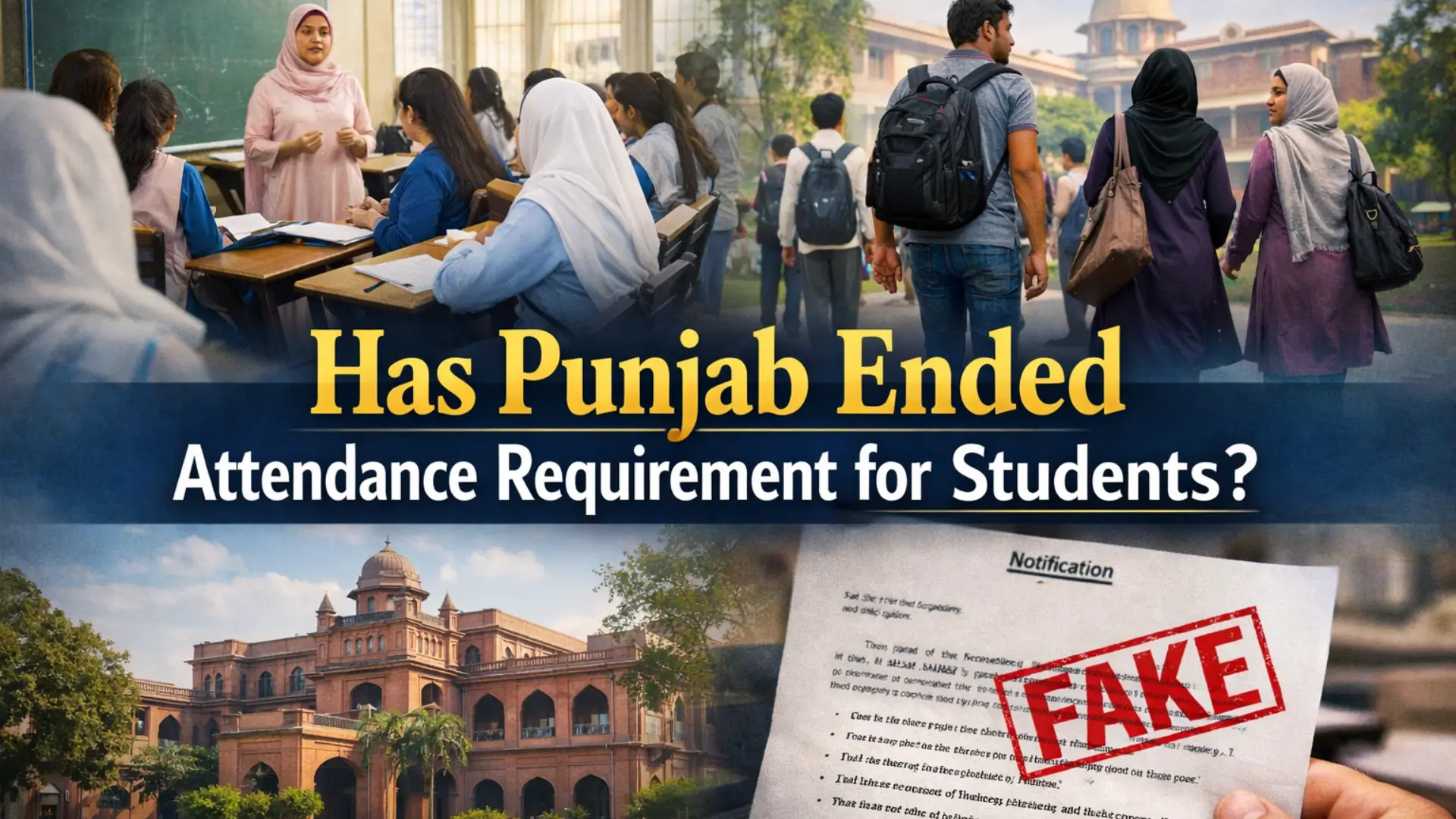
A Viral Notification Sparks Confusion
In recent days, a notification claiming to abolish mandatory attendance in Punjab's colleges and universities has spread rapidly across social media platforms. Dated January 17, 2026, and bearing the signature of a Section Officer named Babar Khan Gondal, the document has generated significant discussion and hope among students. However, the Higher Education Commission (HEC) of Pakistan has stepped in to address the controversy, labeling the circular as fake and urging public caution. This article investigates the claims, the official response, and the importance of verifying information in the digital age.
Decoding the Viral Notification's Claims
The circulating notification made several bold assertions that, if true, would represent a major shift in educational policy for Punjab, Pakistan. It stated that all public and private colleges and universities in the province would no longer enforce mandatory attendance requirements for students. Specifically, it claimed that institutions were directed not to block students from admissions or examinations due to low attendance. Furthermore, it prohibited the imposition of any fines or penalties related to attendance and threatened strict legal and administrative action against any institution failing to comply with these new directives.
For many students, such a policy would signify greater flexibility, potentially aiding those balancing work, personal commitments, or health issues with their studies. The notification's official-looking format, complete with a date, authority figure, and specific instructions, lent it an air of credibility, fueling its rapid sharing across WhatsApp groups, Facebook pages, and Twitter feeds.
The Official Response: HEC Declares Notification Fake
The wave of speculation was met with a swift and clear denial from the responsible authorities. The Higher Education Commission (HEC) of Pakistan issued an official statement to quell the rumors and correct the record. The commission explicitly warned the public that the viral notification is fake and unauthorized .
In its advisory, the HEC emphasized the need for vigilance, asking students, faculty members, and educational institutions to be cautious of such unverified information. The core of their message was a directive to rely only on official channels for authentic updates. "Always refer to official government websites and verified social media pages for authentic updates," the HEC stated, aiming to curb the spread of misinformation that can cause unnecessary disruption and confusion within the academic community.
Why This Misinformation is Harmful
The circulation of fake government notifications poses several real risks:
-
Creates Unrealistic Expectations: Students may mistakenly believe they are exempt from attendance rules, potentially leading to academic penalties, including being barred from exams, when the actual policies are enforced.
-
Causes Administrative Chaos: Institutions may be inundated with queries from confused students and parents, wasting administrative resources to clarify the situation.
-
Undermines Trust in Official Channels: When false information is widely believed, it can erode public trust in genuine communications from the HEC or government bodies.
-
Disrupts Academic Discipline: Even temporary belief in such a notification can disrupt the learning environment and discipline within classrooms.
How to Identify Fake Official Notifications
To protect yourself from similar hoaxes in the future, consider these verification steps:
-
Check the Source: Always cross-reference information on the official website of the relevant authority in this case, the HEC (hec.gov.pk) or the Government of Punjab's Higher Education Department.
-
Look for Official Verification: Legitimate major policy changes are announced through press releases, official circulars on websites, and statements from verified social media accounts.
-
Be Skeptical of Viral Social Media Posts: Sensational or highly convenient news shared via informal social media channels should always be treated with initial skepticism.
-
Contact Institutions Directly: If in doubt, the registrar's office or administration of your specific college or university can provide clarification on prevailing rules.
The Current State of Attendance Policies in Punjab
As of now, attendance requirements remain in effect across public and private higher education institutions in Punjab, as per existing HEC and university regulations. Most institutions enforce a minimum attendance percentage (often 75% to 80%) for students to be eligible to sit in final examinations . The policy is designed to ensure consistent student engagement, classroom participation, and a structured learning process.
Any future change to such a fundamental academic policy would be the subject of extensive official deliberation, a formal announcement process, and detailed guidelines for implementation. It would not be communicated through an unofficial PDF circulating on social media.
Always Verify Before You Share
The answer to the question "Has Punjab ended attendance requirements for students?" is a definitive no . The viral notification is a confirmed piece of misinformation. This incident serves as a critical reminder of the pervasive challenge of fake news in our digital ecosystem. For students and the general public, the responsibility lies in practicing informed digital citizenship prioritizing verification over virality. Before celebrating a major policy shift or acting on such information, always pause and check with the official sources. The HEC's advisory is clear: authenticity is just a click away on their official platforms, ensuring you stay correctly informed about your academic rights and responsibilities.









Share your comments & questions here
No comments yet. Be the first to comment!