




 Home
Home
 National
 International
 Merit list
 Date Sheet
 Result
 Admission
 Study Abroad




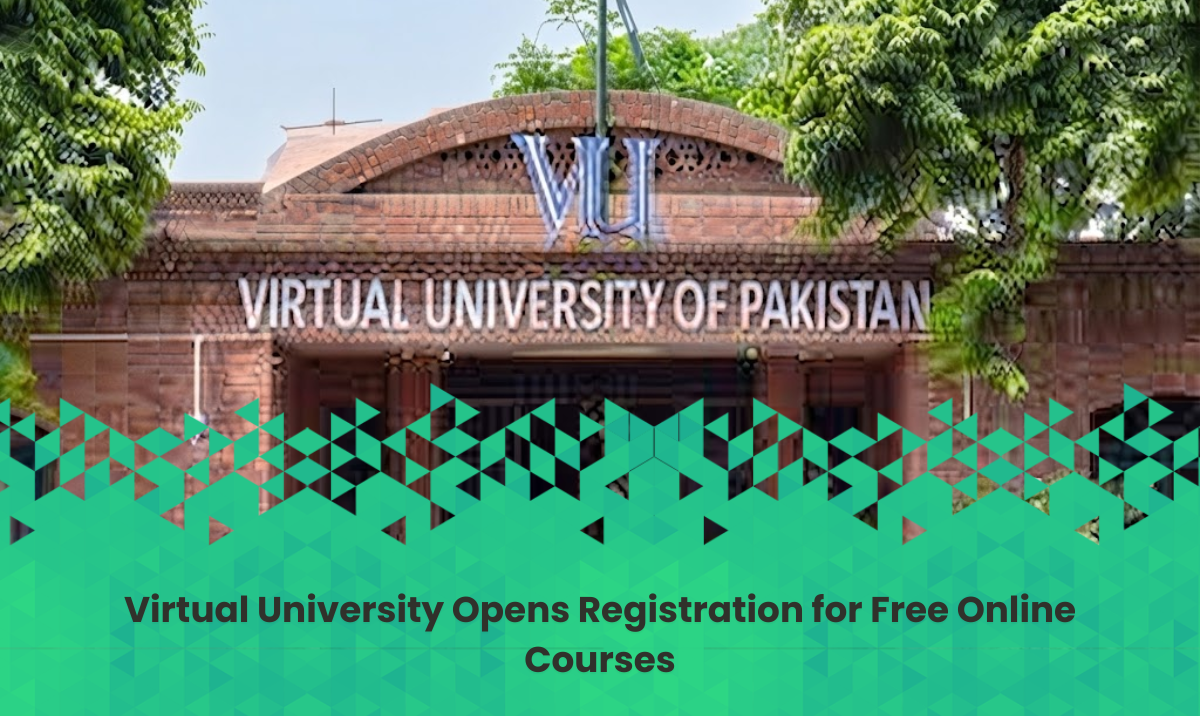
Virtual University Opens Registration for Free Online Courses
The landscape of digital education is undergoing a massive transformation, and leading institutions are stepping up to bridge the technical skill gap. In line with this educational evolution, the Virtual University of Pakistan has officially announced the opening of registration for its latest batch of free online courses. Designed to cater to students, working professionals, and tech enthusiasts alike, these short programs focus on high-demand modern fields such as artificial intelligence, programming, cybersecurity, and data science. As the job market increasingly favors candidates with specialized digital competencies, initiatives like these provide an invaluable pathway for learners to upskill without financial constraints.
Important Dates and Timelines for the New Batch
For individuals aiming to secure a spot in this upcoming academic cycle, keeping track of deadlines is crucial. According to the official announcement released by the institution, registration for the Virtual University free online courses commenced on August 31, 2026. Interested candidates have a limited window to submit their applications, as the registration portal will officially close on September 6, 2026.
Following the conclusion of the application window, the academic session will kick off swiftly. Live online classes are scheduled to begin on September 9, 2026. Because seats and onboarding capacities for these popular tech tracks can fill up rapidly, applicants are strongly encouraged to complete their sign-ups well before the September 6 deadline.
Comprehensive Curriculum Covering In-Demand Digital Skills
The modern economy runs on data, code, and secure networks. Recognizing these shifting industry requirements, the curriculum for the VU short courses 2026 has been meticulously structured to provide both foundational understanding and practical utility. The program spans multiple critical domains of information technology and digital literacy:
-
Artificial Intelligence: Introducing learners to modern AI frameworks, foundational concepts, and hands-on interaction with AI-enabled applications.
-
Programming Languages: Practical modules focusing on essential coding languages, enabling beginners to build interactive web and mobile applications from scratch.
-
Cybersecurity: Essential training exploring cyber trends, threat management, personal data safety, and defense strategies against modern digital attacks.
-
Data Science: Analytical foundational modules designed to help students comprehend how data is processed, interpreted, and utilized to solve complex real-world problems.
-
Digital Awareness & Safety: Foundational topics covering secure internet browsing, password management, and troubleshooting everyday technical hurdles.
These programs typically run for four to six weeks, making them ideal for students on semester breaks or professionals looking to add credential weight to their resumes without committing to a full-length degree program.
Flexible Remote Learning and Accessible Education
One of the defining features of the Virtual University model is its commitment to location-independent education. True to its founding vision as a pioneer of information and communication technology-based education in the region, all classes for these free IT courses will be conducted entirely online.
This remote structure means that registered learners can attend lectures, review course materials, and engage with instructional guidelines from the comfort of their homes, regardless of their geographical location. Whether a student resides in a major metropolitan hub like Lahore or Karachi, or in a remote town across Pakistan, the digital classroom remains equally accessible. Furthermore, the inclusion of live interactive sessions paired with recorded backups ensures that participants who manage tight daily schedules can catch up on coursework flexibly.
Why You Should Enroll in Virtual University Free Online Courses
Deciding to invest time in continuing education is a powerful career move, and these programs offer distinct advantages for participants:
-
Zero Financial Barrier: As the name implies, these courses are entirely free of cost, removing tuition fees as an obstacle to quality technical training.
-
Industry-Relevant Credentials: Earning a certificate from a recognized federal public sector institution significantly boosts a candidate's resume.
-
Future-Proof Skills: Acquiring baseline literacy in artificial intelligence and cybersecurity prepares workers for the automation-heavy workplaces of the coming decade.
How to Apply Before the Deadline
The application process is streamlined for digital convenience. Prospective learners should visit the official Virtual University portal or its designated network academy pages to review the course outlines. Applicants need to fill out the electronic registration form with accurate credentials before the September 6 cutoff date.
With the tech sector evolving at an unprecedented pace, taking advantage of structured, government-backed training initiatives is a smart step for anyone looking to future-proof their career. Submit your applications today and prepare for classes starting September 9.








.webp)

Share your comments & questions here
No comments yet. Be the first to comment!