




 Home
Home
 National
 International
 Merit list
 Date Sheet
 Result
 Admission
 Study Abroad
.jpg)


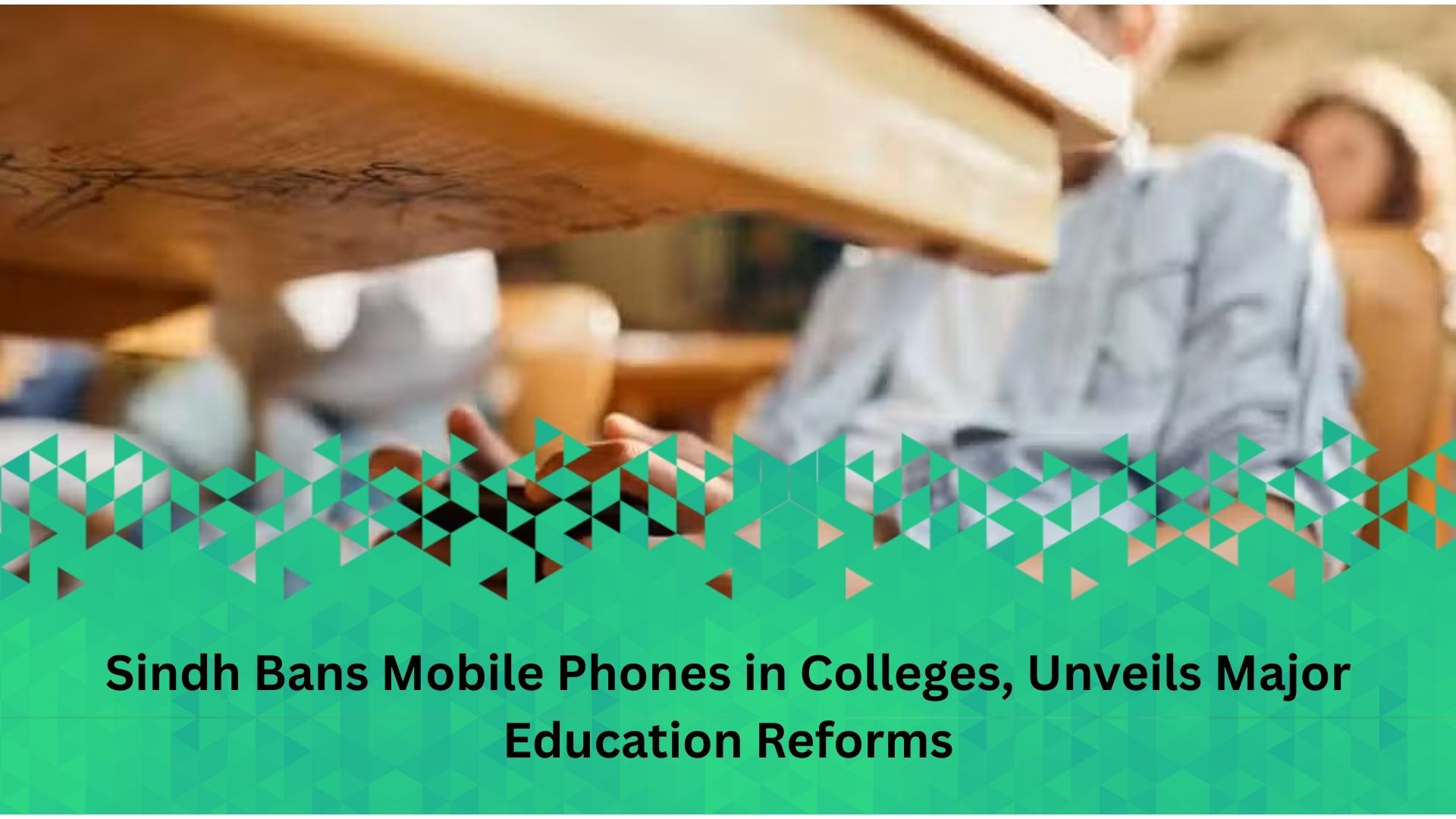
Sindh Bans Mobile Phones in Colleges, Unveils Major Education Reforms
In a sweeping policy overhaul, the Sindh College Education Department has announced a ban on the unnecessary use of mobile phones on college campuses , alongside a major crackdown on teacher absenteeism and a push for student counselling services. The reforms, described as a bid to revitalize the province’s college education system, were finalized during a high-level meeting chaired by Secretary of College Education, Nadeem Memon.
Major Policy Shifts: Mobile Phone Ban and Student Counselling
The most immediate change for students will be the forthcoming formal notification banning excessive mobile phone use within college premises. This move aims to curb distractions and improve academic focus during instructional hours. Simultaneously, the department is launching a comprehensive student counselling program. The initiative will involve hiring education experts, seasoned bureaucrats, and professionals to provide guidance and support to students, addressing both academic and personal development needs.
“The core of our reform is student welfare and academic integrity. The mobile phone policy and counselling services are designed to create a more focused and supportive learning environment.
Crackdown on Teacher Absenteeism and Negligence
A significant part of the meeting was dedicated to addressing chronic governance issues. Officials reviewed alarming data revealing that 44 male and 36 female teachers across provincial colleges have been absent for extended periods. In a decisive move, the department has opted for immediate legal action.
The cases of these absentee teachers are being forwarded to the Chief Secretary of Sindh. Furthermore, the department has directed that public notices be published in newspapers regarding these absences, signaling a new era of transparency and accountability.
Secretary Nadeem Memon emphasized a zero-tolerance policy toward negligence . “There will be no compromise on implementation. Officers failing to perform their duties will face strict disciplinary action without any discrimination,” he warned during the meeting.
Strengthening Monitoring and Infrastructure Development
To tackle weak monitoring mechanisms, the department approved the formation of an autonomous Monitoring and Evaluation Directorate . This new body will be created by merging existing inspection wings and will be empowered to strictly monitor faculty attendance, infrastructure quality, and academic standards across all colleges.
Infrastructure concerns were also high on the agenda. Secretary Memon ordered the drafting of a plan to establish a College Infrastructure Development Unit . Under this unit, all future development projects will be executed through professional consulting firms, selected via rigorous national and international tendering processes. This aims to eliminate substandard construction work, which was identified as a key issue in several colleges.
Broader Outreach: "Each One, Teach One" Initiative
Beyond campus-specific reforms, the department is also looking outward to address broader educational challenges. Officials decided to implement the “Each One, Teach One” initiative. This community-focused program is designed to encourage participation in bringing out-of-school children back into the formal education system, aiming to improve overall literacy and enrollment rates in Sindh.
Analysis: A Holistic Approach to Educational Challenges
The package of reforms represents a multi-pronged strategy to address systemic issues that have long plagued Sindh’s college education sector. By combining student-centric measures (phone ban, counselling) with stringent accountability for staff (crackdown on absenteeism) and systemic overhauls (monitoring, infrastructure), the department appears to be targeting problems at every level.
The shift toward professional project management for infrastructure and an independent monitoring directorate suggests a move away from opaque, bureaucratic processes. Publishing the names of absentee teachers in newspapers is an unusually public step that underscores the administration’s serious intent.
Expected Impact and Future Steps
The immediate impacts are expected to be a noticeable change in campus discipline and a stronger support system for students. The long-term success, however, will hinge on consistent implementation and the sustained political will to enforce the new rules, particularly against potential resistance.
The formal notification for the mobile phone ban is expected to be issued soon, which will detail the specific guidelines and exceptions for its use. The recruitment for the counselling program and the operationalization of the new Monitoring Directorate are the next key steps to watch.

A New Chapter for Sindh's Colleges
The Sindh College Education Department’s comprehensive reform agenda marks a potential turning point. If implemented effectively and fairly, these measures could significantly improve the learning environment, restore accountability, and rebuild public trust in government colleges. The focus now shifts to the ground, where the true test of these ambitious policies will begin.










Share your comments & questions here
No comments yet. Be the first to comment!