

 Home
Home
 National
 International
 Merit list
 Date Sheet
 Result
 Admission
 Study Abroad




Punjab University Revolutionizes Higher Education with New Online Affiliation Portal and Growth Report
Introduction to Punjab University's Digital Shift
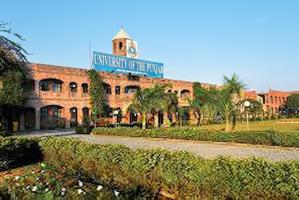
In a landmark move toward administrative modernization and institutional transparency, the University of the Punjab (PU) has officially launched its state-of-the-art online affiliation portal. Vice Chancellor Prof. Dr. Muhammad Ali inaugurated the digital platform during a high-profile ceremony held at the Vice Chancellor’s Office Committee Room. Alongside the portal launch, the university released its comprehensive affiliation report for the 2025–2026 and 2026–2027 academic sessions.
This major milestone highlights Punjab University’s aggressive push into digital transformation, aiming to streamline operations, enhance transparency, and expand access to quality education across its vast network of affiliated institutions.
Streamlining Higher Education: Key Features of the PU Affiliation Portal
The newly introduced web platform is engineered to eliminate bureaucratic bottlenecks that have historically slowed down administrative processes for colleges seeking affiliation with Pakistan’s premier institution.
-
Digital Application Submission: Affiliated and prospective colleges can now submit digital applications online for new affiliations, affiliation extensions, and increases in student intake limits without physical paperwork.
-
Automated Notifications & Transparency: The system enables the real-time, online transmission of official affiliation notifications. Colleges can instantly view critical updates, including their approved names, sanctioned student capacities, and active affiliation sessions.
-
Seamless Registration Integration: One of the portal's most impactful features is its automated data-sharing capability. Affiliation data flows directly into the university's registration portal, allowing colleges to enter and manage student enrollment information with unprecedented efficiency.
Speaking at the inauguration, Prof. Dr. Muhammad Ali lauded the efforts of the Affiliation Branch for successfully digitizing decades of legacy records. He emphasized that the transformation guarantees better record management, minimizes human error, and provides stakeholders with transparent, hassle-free access to data.
Prof. Dr. Muhammad Akram, Chairman of the Affiliation Committee, further detailed how the portal serves as a singular window operation for institutional partners, setting a new benchmark for public sector universities in Pakistan.
Impressive Growth Metrics: Academic Expansion and Revenue Surge
The newly released affiliation report for the 2025–2026 and 2026–2027 academic sessions paints a vibrant picture of institutional expansion, highlighting increased student intake, diversified academic programs, and a surge in institutional revenue.
1. Broadening the Educational Footprint
The university's network experienced healthy growth as institutional bodies sought association with its prestigious academic framework. According to the report data:
-
10 new public sector colleges successfully secured official affiliation with Punjab University.
-
25 private sector colleges joined the university's network to offer accredited degree tracks.
This continuous expansion reflects the growing trust that educational institutions place in Punjab University's academic governance and curricula.
2. Significant Revenue Growth
The report also demonstrated marked improvements in financial efficiency and collections across both educational sectors between the two academic cycles:
-
Private Sector Colleges: Revenue collections scaled from Rs. 28.3 million (Rs. 2.83 crore) in the 2025–2026 session to Rs. 54.0 million (Rs. 5.40 crore) in the 2026–2027 session—marking an impressive growth of over 90.1 percent.
-
Public Sector Colleges: Collections saw an even steeper climb, moving from Rs. 39.4 million (Rs. 3.94 crore) to Rs. 88.2 million (Rs. 8.82 crore), reflecting an increase of more than 123.6 percent.
Experts attribute this fiscal growth to streamlined digital tracking, prompt fee recovery mechanisms, and the overall transparency brought about by the university's digitization drive.
Leadership Vision and Future Outlook
The launch event was attended by prominent academic leaders, including Law Affiliation Committee Convener Prof. Dr. Shahbaz Ahmad Cheema, Director General Prof. Dr. Rehan Sadiq Shaikh, Director DSA Dr. Shahzeb Khan, and other senior university officials.
In their closing remarks, university leadership reiterated that technological modernization is no longer optional but essential for maintaining global educational standards. By bridging the gap between traditional governance and modern software solutions, Punjab University continues to fortify its position as a torchbearer of higher education in South Asia.
The successful deployment of the affiliation portal sets a precedent that other regional and national universities are expected to follow, paving the way for a fully digitized, transparent, and student-focused academic ecosystem in Pakistan.