


 Home
Home
 National
 International
 Merit list
 Date Sheet
 Result
 Admission
 Study Abroad
.jpg)


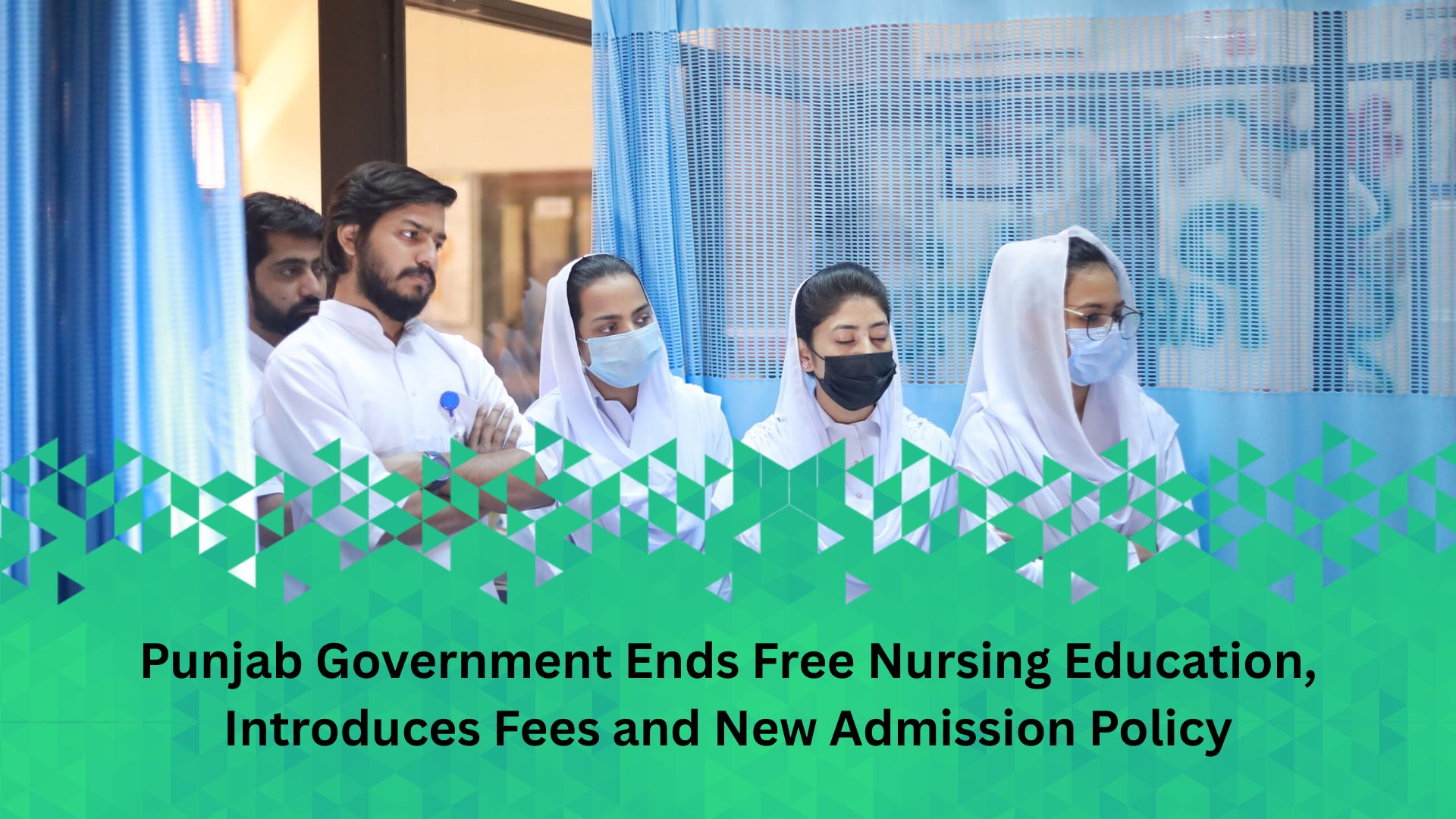
Punjab Government Ends Free Nursing Education, Introduces Fees and New Admission Policy
In a significant policy shift, the Government of Punjab has abolished free nursing education in its government colleges , mandating that students pay tuition fees and hostel charges . The move, detailed in a newly issued admission policy, also terminates the monthly stipend previously granted to nursing students, marking a substantial change in the financial model for nursing training in the province. You can also view BS Nursing Guide .
Key Changes in the New Nursing Education Policy
The recently unveiled policy outlines several transformative changes that will affect future cohorts of nursing students across Punjab.
1. Introduction of Tuition Fees
Previously, students pursuing nursing diplomas and degrees in government institutions received education free of cost. Under the new directive, aspiring nurses will be required to pay thousands of rupees in tuition fees. The exact fee structure is expected to be notified separately by individual colleges, but the principle of free education has been formally discontinued.
2. Abolition of Monthly Stipend
For decades, nursing students in Punjab received a monthly stipend during their clinical training period, which helped cover living expenses. The new policy explicitly abolishes this financial support, increasing the out-of-pocket burden on students and their families.
3. Hostel Fee Mandate
Students opting for government hostel accommodation will now be required to pay dues. Previously, hostel facilities were often provided at minimal or no cost as part of the training package.
Revised Admission Criteria and Eligibility
Alongside the financial changes, the government has standardized admission eligibility requirements for its nursing programs.
Academic Requirement
Female candidates seeking admission must have secured a minimum of 50% marks in their F.Sc . (Faculty of Science) or equivalent intermediate examination. This sets a clear academic benchmark for entry.
Domicile Condition
Punjab domicile is now a mandatory condition for admission to government nursing colleges in the province, prioritizing local candidates.
Gender-Specific Admission Rule
In a notable exception, the Nursing College affiliated with Shahdara Teaching Hospital in Lahore will admit only male students . All other government nursing colleges traditionally and continue to admit female students.
Seat Allocation Across Punjab’s Institutions
The policy document formalizes seat distribution across various types of government hospitals and shifts:
-
Morning vs. Evening Shifts: A total of 3,100 seats have been allocated for the morning shift and 3,000 seats for the evening shift across government nursing colleges.
-
Teaching Hospital Affiliates: Nursing colleges attached to major teaching hospitals have been allocated 100 seats each .
-
District Hospital Affiliates: Colleges affiliated with district headquarters hospitals have been allocated 50 seats each for both morning and evening shifts.
This structured allocation aims to manage student intake against available infrastructure and clinical training facilities.
Analysis: Implications and Potential Impact
This policy reversal is poised to have wide-ranging consequences for the nursing workforce, healthcare system, and aspiring students in Punjab.
1. Financial Barriers and Access
The combined effect of introducing tuition fees, eliminating stipends, and charging hostel dues raises the financial threshold for pursuing nursing. Analysts fear this may deter talented candidates from low- and middle-income families, for whom the stipend and free education were key incentives. This could impact the social and economic diversity of the future nursing cadre.
2. Motivation for the Policy Shift
Government sources suggest the move aims to reduce the fiscal burden on the provincial exchequer and generate sustainable resources for improving training infrastructure. Officials argue that the investment required to modernize labs, simulation centers, and teaching tools necessitates a shift from a fully subsidized model.
3. Potential Impact on Nursing Workforce Numbers
Punjab, like much of Pakistan, faces a shortage of qualified nurses. A critical concern is whether these new costs will lead to a drop in application rates, potentially exacerbating the existing nurse-to-patient ratio. The long-term effect on the pipeline of new nurses entering the public health system remains to be seen.
4. Quality vs. Accessibility Debate
Proponents of the policy contend that the revenue generated can be reinvested to elevate the quality of education, ultimately producing better-trained nurses. Critics, however, counter that accessibility should not be compromised, as a large, competently trained workforce is fundamental to public health.
Stakeholder Reactions and the Path Forward
The policy announcement is likely to generate significant reaction from student bodies, nursing associations, and healthcare advocates.
-
Student Organizations: Protests and appeals for reconsideration, especially regarding the stipend removal, are anticipated from student unions.
-
Nursing Associations: Professional bodies like the Pakistan Nursing Council (PNC) and provincial associations may engage in dialogue with the government, seeking possible mitigations like need-based scholarships or loan programs.
-
Government’s Next Steps: The government may follow up with detailed notifications on the exact fee schedules and any proposed financial aid mechanisms for meritorious or needy students.
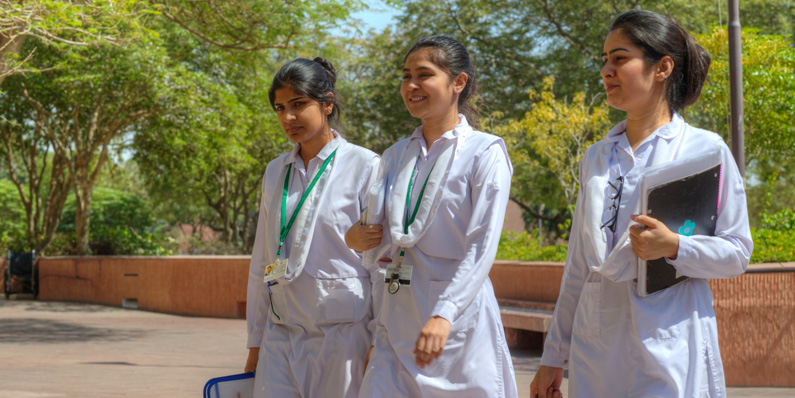
A New Era for Nursing Education in Punjab
The Punjab government’s decision to end free nursing education and stipends represents a paradigm shift in its approach to financing healthcare training. While motivated by economic sustainability and potential quality improvements, the policy introduces formidable financial challenges for aspiring nurses. The balancing act between maintaining an accessible career pathway for women who predominantly join this profession and funding quality education will define the success of this new policy. Its ultimate impact on the province’s healthcare system, which relies heavily on its nursing workforce, will unfold in the coming years as the revised admissions process begins under these new rules. All eyes will now be on the upcoming admission cycle to gauge the initial response to these sweeping changes.