


 Home
Home
 National
 International
 Merit list
 Date Sheet
 Result
 Admission
 Study Abroad
.jpg)


Punjab Government Approves Rs 4,000 Holiday Allowance for Teachers Conducting Socio-Economic Survey
In a significant move to address longstanding grievances, the Punjab government has approved a special allowance of Rs 4,000 per day for thousands of teachers assigned to the province-wide socio-economic survey for duties performed on Sundays and public holidays . The decision, formalized through official instructions from the Punjab Urban Unit , aims to properly compensate educators for extra work and ensure the smooth execution of the critical data-collection initiative.
Official Directive Mandates Timely Payment for Holiday Duties
The directive, issued to all relevant district authorities, clearly states that any teacher tasked with survey responsibilities on a weekly holiday (Sunday) or an officially notified public holiday will be eligible for the Rs 4,000 daily allowance. This measure comes after numerous complaints from teachers and their representative unions regarding the non-payment of dues for overtime and holiday work conducted over several phases of the extensive survey.
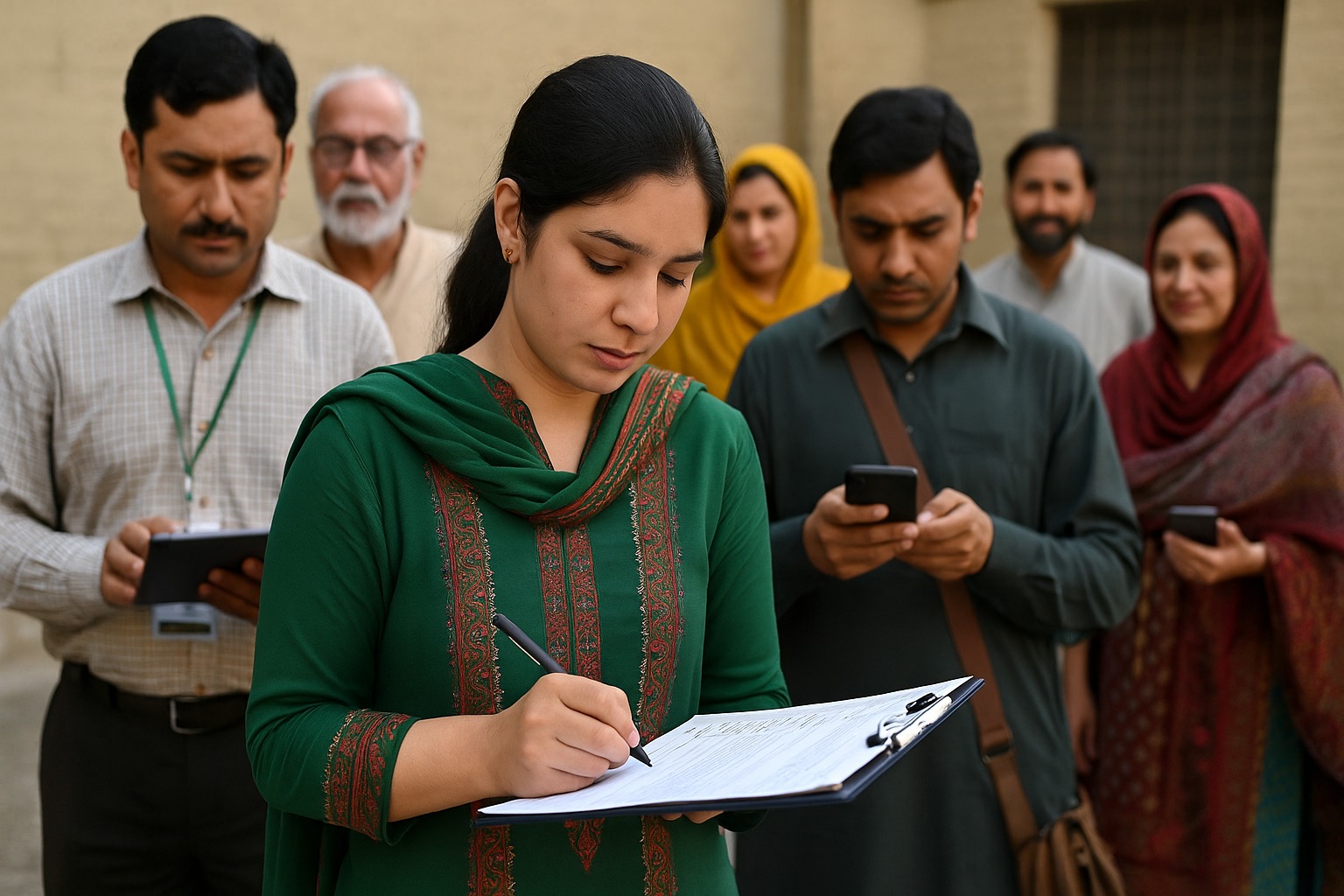
The socio-economic survey, a large-scale data collection effort aimed at gathering detailed information on household demographics, economic status, and service access, relies heavily on the participation of public school teachers. Their deployment has been essential for door-to-door data collection, but the additional workload, particularly on days off, had become a point of contention.
Teacher Unions Hail Decision as a "Victory for Fairness"
The government’s announcement has been met with widespread approval from teachers’ organizations across Punjab. Union leaders have praised the decision as a fair and overdue recognition of the additional efforts exerted by educators beyond their regular teaching responsibilities.
“This is a positive step that acknowledges the hard work and dedication of teachers who have been integral to this national service,” said a spokesperson for the Punjab Teachers Union. “The assurance of a proper holiday allowance not only addresses a financial concern but also validates the extra hours our members have contributed. We believe this will boost morale significantly.”
Other union representatives echoed this sentiment, stating that the move demonstrates a responsive approach by the authorities to the legitimate concerns of the teaching workforce. They argued that fair compensation is a fundamental right for work performed outside of normal contractual hours.
Boosting Survey Quality and Efficiency
Beyond addressing teacher welfare, education and planning officials anticipate that the allowance will have a direct positive impact on the survey itself. Previously, uncertainty and dissatisfaction over payments were reported to have caused reluctance among some teachers assigned holiday duties, potentially affecting the pace and quality of data collection.
“A motivated and duly compensated workforce is crucial for the accuracy and efficiency of such a massive exercise,” explained an official from the Planning & Development Department. “By resolving the payment issue, we expect improved participation and more diligent work during the survey’s remaining phases, leading to higher-quality data for provincial planning and resource allocation.”
The socio-economic survey data is considered vital for evidence-based policymaking, helping to identify poverty levels, assess the need for social safety nets, and plan public service delivery in health, education, and infrastructure.
Implementation and Monitoring
The Punjab Urban Unit, the technical agency overseeing the survey’s implementation, has been instructed to ensure the directive is communicated to all executing agencies at the district level. The unit will also monitor compliance to guarantee that all eligible teachers receive their allowances without delay following the completion of their holiday duties.
Teachers have been advised to maintain proper records of their assigned holiday duties and to coordinate with their designated survey supervisors to facilitate the payment process. The government has warned against any negligence in implementing the order, emphasizing that the timely disbursement of the allowance is a top priority.
A Step Toward Broader Reforms?
This decision is being viewed by some analysts as part of a broader effort to improve working conditions for government employees, particularly in the education sector. It highlights the government’s reliance on its teaching cadre for large-scale administrative tasks and the consequent need to establish clear and fair compensation protocols for such duties.
Education advocates hope this sets a precedent for the treatment of teachers tasked with similar extracurricular governmental assignments in the future, ensuring that their contributions are consistently and fairly remunerated.
The approval of the Rs 4,000 holiday allowance marks a constructive resolution to a key demand from Punjab’s teaching community. It underscores the importance of the socio-economic survey while recognizing the essential role teachers play in its execution. As the survey continues, this policy is expected to foster greater cooperation, enhance data integrity, and improve the working relationship between the government and its educators, ultimately contributing to more effective social and economic planning for the province.