

 Home
Home
 National
 International
 Merit list
 Date Sheet
 Result
 Admission
 Study Abroad
.jpg)


Private Schools Accused of Denying Free Education to Thousands
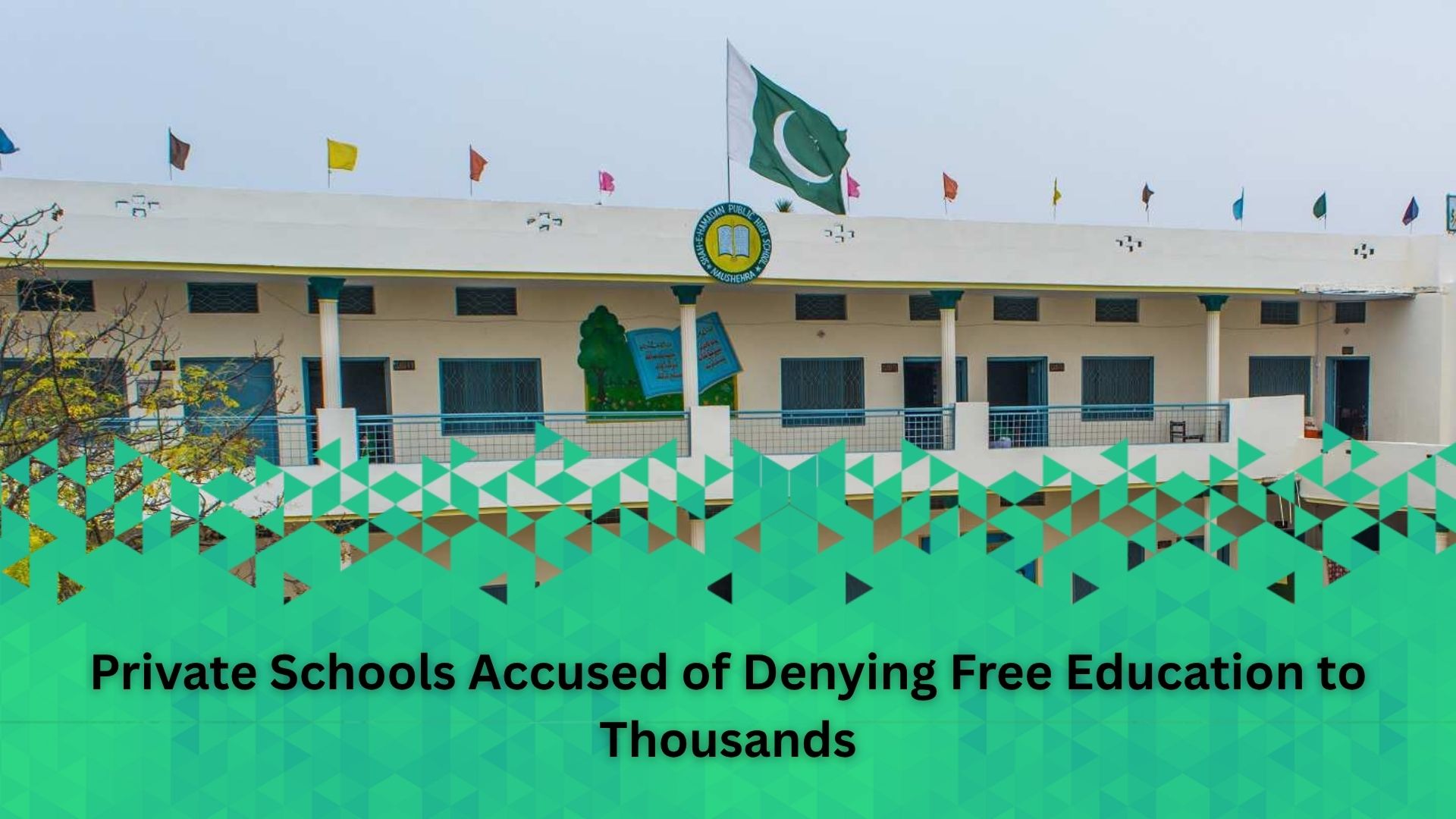
A major discrepancy in the private education sector has surfaced as private schools in the federal capital allegedly failed to implement a mandatory scholarship quota, depriving thousands of students of free education. The controversy threatens to undermine constitutional guarantees of free learning for underprivileged children.
The issue came to light during proceedings at the Islamabad High Court (IHC), where Justice Raja Inaam Ameen Mihas heard a petition regarding private school fee structures. What emerged was not merely a debate over fee hikes but a systemic failure to comply with legal obligations designed to ensure that no child is left behind due to financial constraints.
PEIRA Report Reveals Massive Financial Discrepancy
According to a confidential report submitted by the Private Educational Institutions Regulatory Authority (PEIRA), private educational institutions (PEIs) operating in the capital may be withholding between Rs 5 billion and Rs 6 billion annually by not implementing the legally required 10% free education quota.
Data presented before the court shows that 1,571 registered private schools in Islamabad currently enroll around 389,000 students. Under the Right to Free and Compulsory Education Act 2012 , at least 38,900 students from economically weaker backgrounds should receive free education. However, most institutions have failed to comply, leaving thousands without access to free schooling.
Legal Framework and Enforcement Gaps
The Right to Free and Compulsory Education Act 2012 explicitly mandates that all private schools reserve 10% of their seats for children belonging to disadvantaged groups. In return, the government reimburses schools for the cost. However, officials allege that many private institutions have neither reserved the seats nor claimed reimbursement, effectively pocketing the full fee from paying students while ignoring their legal obligations.
PEIRA informed the court that it has issued show-cause notices to non-compliant schools and begun collecting real-time enrollment data. The authority has also formed a special monitoring committee to conduct surprise inspections. PEIRA officials warned of strict action under relevant laws, including potential fines and the cancellation of registration for repeat offenders.
Unexpected Withdrawal of Petition Raises Eyebrows
The case took a surprising turn when the petitioner unexpectedly withdrew the plea, halting further judicial proceedings. The move has raised serious concerns among legal experts and education rights activists, who argue that it may allow non-compliant institutions to avoid public scrutiny.
Legal analysts suggest the withdrawal could be a strategic setback for transparency. “When a case is withdrawn, no binding precedent is set. This effectively resets the clock, and private schools may continue business as usual without fear of contempt proceedings,” said a senior lawyer familiar with education litigation.
Government’s ‘No Child Left Behind’ Initiative Under Spotlight
Despite ongoing enforcement efforts and the government’s flagship “No Child Left Behind” initiative, experts say strict implementation of the existing 10% quota could benefit even more students than currently estimated. The initiative aims to increase literacy and reduce dropout rates, but policy gaps in private school regulation remain a critical hurdle.
Education economist Dr. Farheen Aslam explained: “The math is simple. With 389,000 students enrolled, the 10% quota means nearly 39,000 free seats. At an average annual fee of Rs150,000 per student, the withheld amount exceeds Rs5 billion. That money could fund entire public school clusters. Instead, it stays as surplus revenue for private operators.”
What Happens Next?
With the court case withdrawn, the burden now falls entirely on PEIRA to enforce the law administratively. The authority has stated it will continue sending notices and can impose penalties without judicial intervention. However, without court backing, legal experts fear that wealthy private school associations may challenge PEIRA’s authority in separate petitions.
PEIRA has also launched a public helpline and online portal where parents can report schools denying free admission under the quota. Parents are encouraged to file complaints with documented proof of income and school rejection letters.
.jpg)
Call for Legislative Clarity
Education rights bodies have urged the federal government to amend the Right to Education Act 2012 to include automatic penalties for non-compliance. Suggestions include linking school registration renewals to quota fulfillment and publishing annual compliance reports online.
Until then, thousands of deserving students in Islamabad remain locked out of classrooms not because of merit or capacity, but because of an alleged Rs6 billion loophole that private schools continue to exploit.