

 Home
Home
 National
 International
 Merit list
 Date Sheet
 Result
 Admission
 Study Abroad
.jpg)


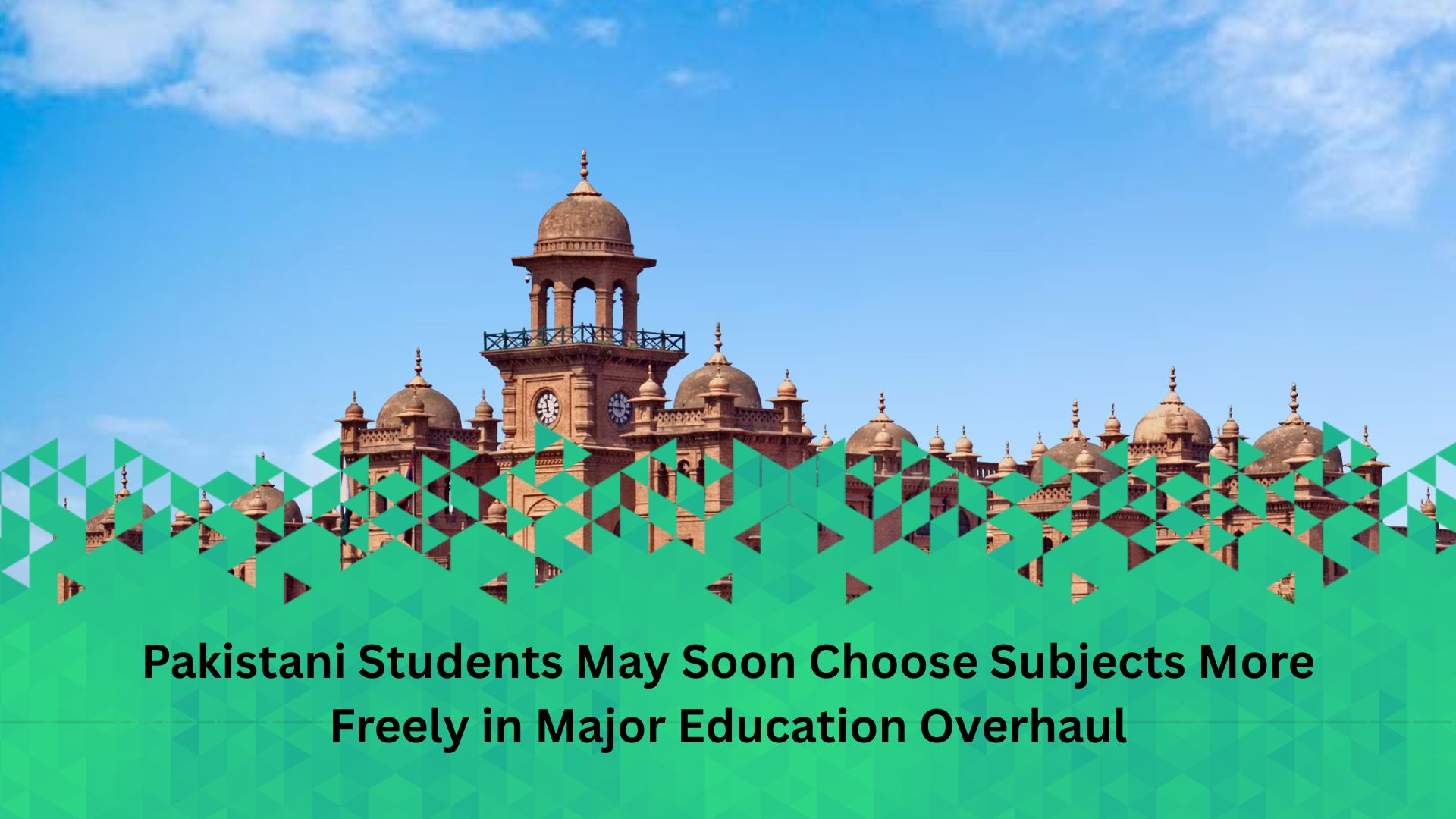
Pakistani Students May Soon Choose Subjects More Freely in Major Education Overhaul
In a pivotal move set to redefine secondary and higher secondary education in Pakistan, the Inter Boards Coordination Commission (IBCC) has convened a high-stakes consultative meeting with all key national stakeholders, initiating a process to dismantle the decades-old system of rigid subject group classifications at the Secondary School Certificate (SSC) ( 9th & 10th ) and Higher Secondary School Certificate (HSSC) levels ( 11th & 12th ) .
The consensus-driven meeting, held at the IBCC Secretariat , aimed to address long-standing grievances of students particularly those in the sciences who face inequitable placement in humanities equivalence groups, severely hampering their access to higher education in desired fields.
Chaired by IBCC Executive Director Dr. Ghulam Ali Mallah, the gathering brought together a powerful coalition of educational authorities. In-person attendance included Chairmen of major examination boards and key bodies, while representatives from Balochistan boards and provincial curriculum authorities joined virtually, underscoring the nationwide significance of the proposed overhaul.
The Core Challenge: Breaking Down Barriers to Student Mobility
Dr. Ghulam Ali Mallah, in his opening address, pinpointed the systemic flaw. "The current rigid grouping creates artificial barriers," he stated. "A student who has passed the majority of science subjects can find themselves relegated to a humanities equivalence, effectively closing doors to professional degrees. This is not just an administrative issue; it is a matter of student welfare and national potential."
Participants conducted a thorough review of the existing framework, analyzing its detrimental impact on inter-provincial student mobility and equitable access to universities. The central critique focused on the system's inflexibility, where a student's entire academic trajectory is determined by a broad group label rather than their proficiency in individual subjects.
The Proposed Paradigm Shift: From Groups to Subject-Based Pathways
The consultation yielded a transformative proposal: transitioning to a flexible, subject-based pathway for higher education admissions. Under this model, universities and professional colleges would evaluate applicants based on the specific subjects they have passed and their marks, rather than a blanket HSSC group ( Pre-Medical , Pre-Engineering , Humanities, etc).
This shift aligns with international best practices, where admissions are increasingly tailored to course-specific requirements. For instance, a student with strong scores in Physics, Mathematics, and Computer Science could qualify for computer engineering programs, even if their overall group classification differs.
Unanimous Stakeholder Support and Key Recommendations
The proposal received robust endorsement from all major stakeholders, including the Higher Education Commission (HEC), Pakistan Medical & Dental Council (PM&DC), National Curriculum Council (NCC), and provincial curriculum and examination boards.
The meeting culminated in several groundbreaking recommendations:
-
Eliminate Rigid HSSC Groups: Remove strict subject group classifications at the HSSC level. Universities and degree-awarding institutions will be empowered to set admission criteria based on relevant individual subjects required for specific programs.
-
Introduce SSC Flexibility: Make subject groupings at the SSC level more open and flexible, allowing students a broader choice when entering college. This prevents early stream-locking at Grade 9.
-
Integrate Academic and Vocational Streams: Explore models to blend academic and technical/vocational subjects, creating broader, skill-based pathways at the secondary level. This initiative, supported by the Sindh Board of Technical Education (SBTE), aims to bridge the traditional divide between general and technical education.
-
Formation of a National Joint Working Group: A dedicated joint working group comprising representatives from IBCC, HEC, PM&DC, NCC, and examination boards was formed. This group is tasked with conducting a detailed examination of the proposals, addressing logistical and implementation challenges, and presenting a concrete set of recommendations at the next meeting.
Stakeholders Hail a Student-Centric Initiative
Representatives from attending bodies praised the IBCC for its leadership in facilitating this critical dialogue. Mr. Qazi Abid, Director of HEC, emphasized the alignment with higher education's evolving needs. Dr. Imdad Khushk from PM&DC acknowledged the need for reform in medical admissions prerequisites. Prof. Musharaf Ali Rajput of SBTE highlighted the importance of inclusivity for vocational students.
The presence of chairmen from the Federal Board (FBISE), BISE Mardan, Sindh BCC, KP BCC, and others ensured that ground realities from across the country's diverse examination systems were factored into the discussion.
The Road Ahead: Toward a More Inclusive and Equitable System
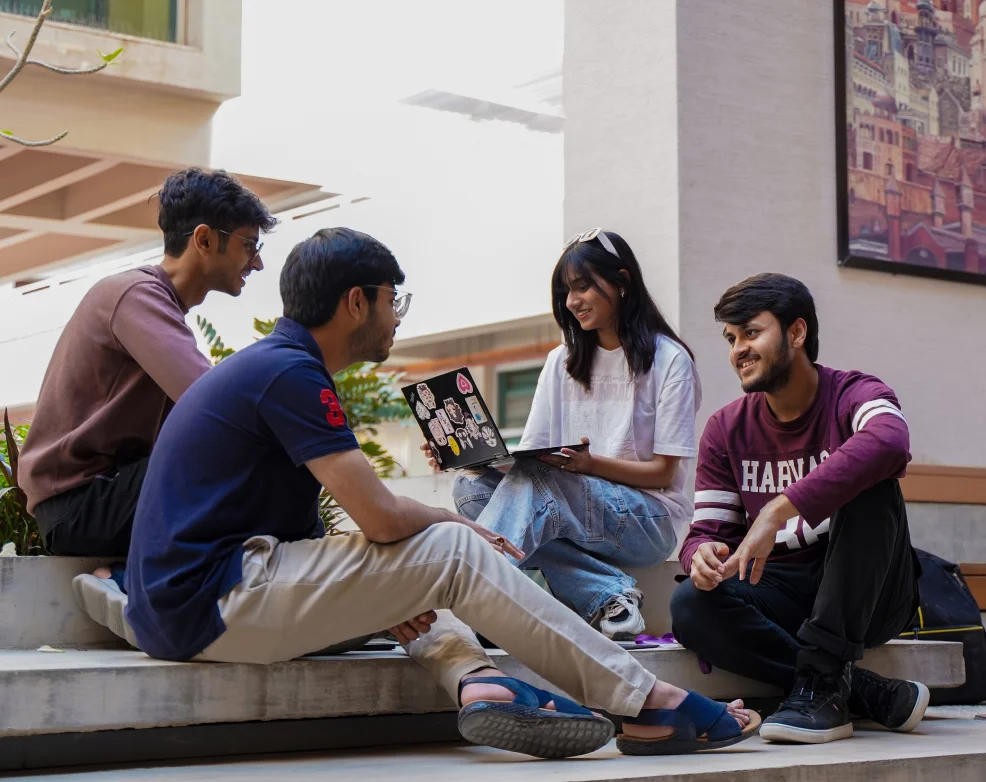
This consultative meeting marks the first decisive step toward a fundamental restructuring of Pakistan's educational pathways. The proposed reforms promise to:
-
Enhance Student Mobility: Allow students to tailor their education based on aptitude and interest.
-
Improve University Access: Create fairer admission mechanisms based on subject competence.
-
Align with Global Standards: Move Pakistan's education system closer to international norms.
-
Reduce Anxiety: Mitigate the high-stakes pressure associated with choosing a rigid "group" at an early age.
The newly formed national working group now carries the responsibility of transforming this consensus into a workable policy framework. If successfully implemented, these changes will represent the most significant student-centric reform in Pakistan's secondary education landscape in recent history, potentially impacting millions of future students.
The IBCC has demonstrated a clear commitment to addressing structural bottlenecks. As Dr. Mallah concluded, "Our mission is to smooth the path for our students, not to create roadblocks. This reform is about fairness, opportunity, and building a system that truly serves the aspirations of Pakistan's youth."