




 Home
Home
 National
 International
 Merit list
 Date Sheet
 Result
 Admission
 Study Abroad
.jpg)


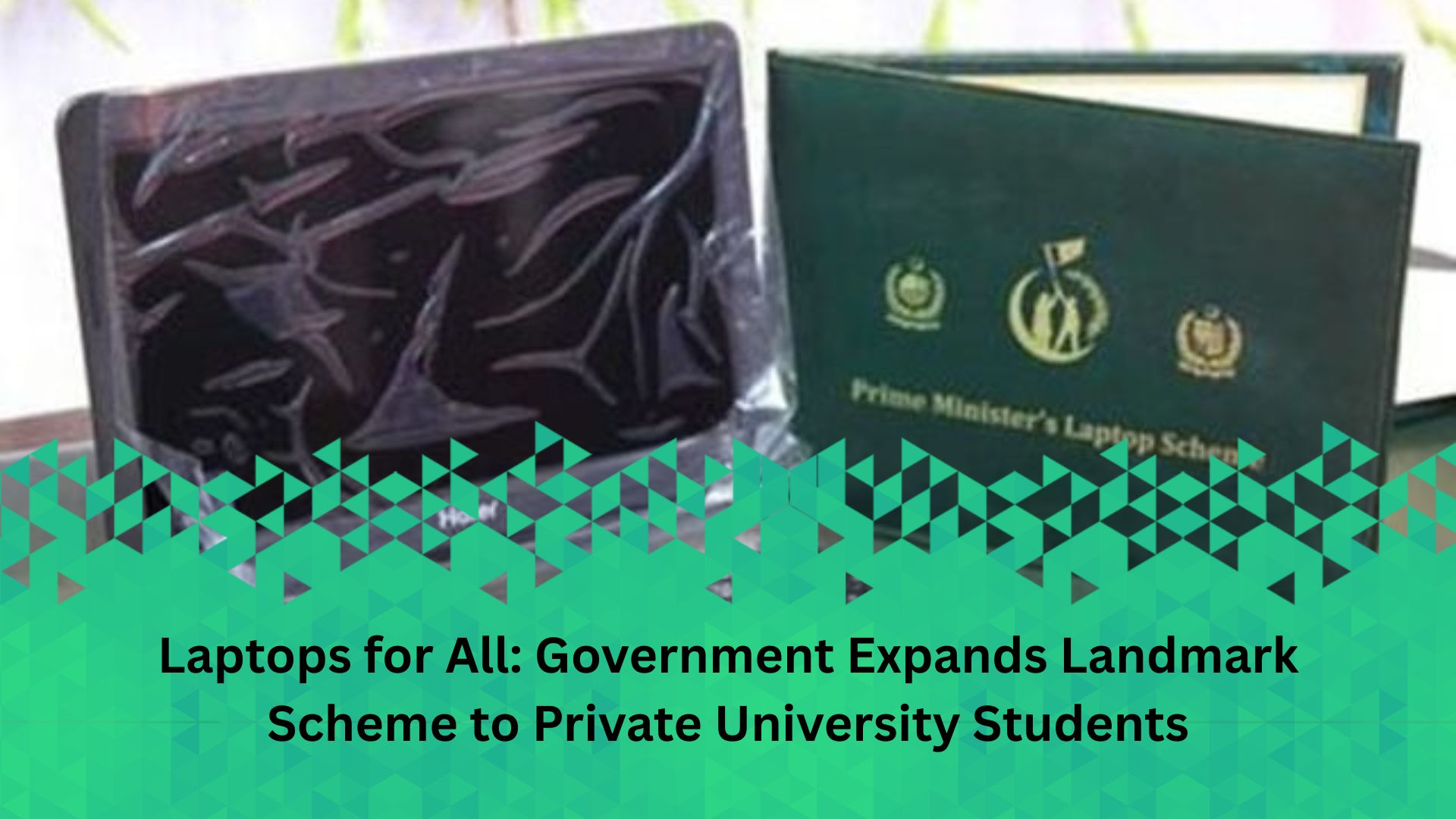
Laptops for All: Government Expands Landmark Scheme to Private University Students
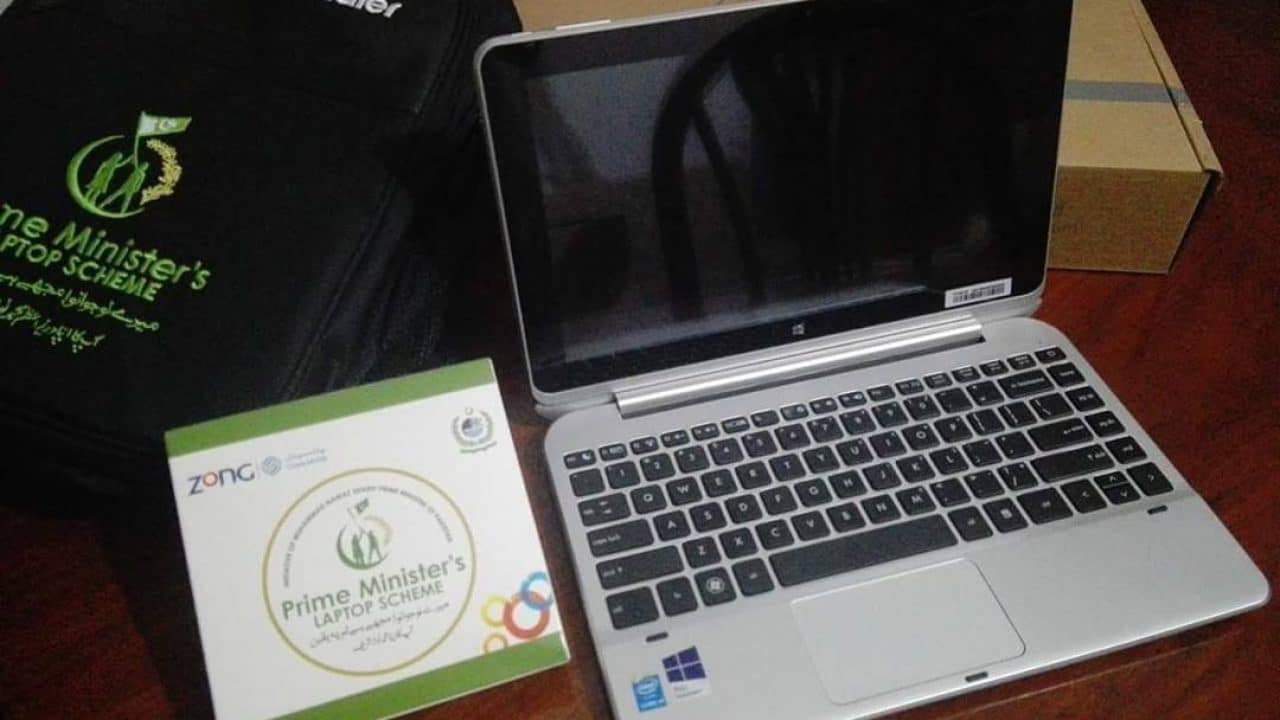
In a significant expansion of a flagship educational initiative, the government has granted in-principle approval to provide laptops to students enrolled in private universities for the first time, marking a major policy shift aimed at bridging the digital divide across all higher education sectors.
The landmark decision, confirmed by officials within the Higher Education Department , signifies the scheme's most substantial broadening since its controversial history. According to the approved plan, an initial 10,000 students from private universities will benefit from the program's first phase, with the department already initiating groundwork for swift implementation.
A Scheme Reborn and Expanded
This move represents the latest chapter in the political saga of the student laptop scheme. Originally launched during the previous Pakistan Muslim League-Nawaz (PML-N) government, the program was a cornerstone of its educational policy before being discontinued during the tenure of the Pakistan Tehreek-e-Insaf (PTI) government.
The initiative was dramatically revived earlier this year by the current government, led by Chief Minister Maryam Nawaz Sharif in Punjab, who championed it as a critical tool for youth empowerment and digital inclusion. The latest decision to include private institution students is being hailed as a transformative step towards equitable access to educational technology.
"Education and digital access are fundamental rights, not privileges contingent on the institution's name," stated a senior official from the Higher Education Department, speaking on condition of anonymity. "This expansion ensures that talented students across all university systems can compete on a level playing field in the modern, technology-driven economy."
Bridging the Public-Private Divide
The inclusion of private university students addresses long-standing calls from educational analysts and student bodies who argued that the scheme's previous exclusion created an unnecessary divide. Many students in private institutions, despite paying higher tuition, come from middle-class families for whom a laptop remains a significant financial burden.
"This is a game-changer," said Ayesha Raza, a third-year software engineering student at a private university in Lahore. "So many of my peers rely on outdated computers or phone screens for coding and research. This support will directly enhance the quality of our projects and learning."
The government has outlined a merit-based selection process for the first phase, likely focusing on academic performance and financial need. Details regarding specifications, distribution mechanisms, and the timeline for the rollout are expected to be finalized and announced by the Higher Education Department in the coming weeks.
Strategic Focus on Digital Literacy and Skills
Analysts view this expansion as a strategic investment in Pakistan's human capital. In a global economy increasingly centered on IT, cybersecurity, artificial intelligence, and remote work, reliable computer access is no longer a luxury but a fundamental requirement for academic and professional success.
"The world's job market is digital-first. By ensuring a broader base of students have the primary tool for learning and innovation, Pakistan is investing in its own economic future," commented Dr. Faisal Bari, an education policy expert. "This move could significantly boost the quality of final-year projects, research output, and the employability of graduates from all sectors."
Challenges and the Road Ahead
While the announcement has been met with widespread approval, it also brings logistical and financial challenges. Scaling the program to include the large and diverse private university population requires robust planning, transparent procurement, and a sustainable funding model to ensure its longevity beyond political cycles.
The government will need to establish clear eligibility criteria to ensure the laptops reach the most deserving students within the private sector. Furthermore, integrating digital literacy training or software bundles with the hardware distribution could maximize the program's long-term impact.
The revival and expansion of the laptop scheme have also reignited political discourse. Supporters of the move applaud it as a progressive, student-centric policy, while critics question its fiscal prioritization amid broader economic challenges. Nonetheless, the consensus within educational circles remains overwhelmingly positive.
A National Commitment to Education
The decision to extend the laptop scheme to private universities underscores a renewed national commitment to education as the primary driver of development. It signals an understanding that in the 21st century, human resource development is inextricably linked to digital access.
As the Higher Education Department begins the complex task of turning this approval into reality, thousands of students across Pakistan await the opportunity to unlock their potential. The success of this expanded initiative will be measured not just in the number of laptops distributed, but in the future innovations, careers, and economic contributions they enable building a more digitally literate and competitive Pakistan for all.










Share your comments & questions here
No comments yet. Be the first to comment!