




 Home
Home
 National
 International
 Merit list
 Date Sheet
 Result
 Admission
 Study Abroad




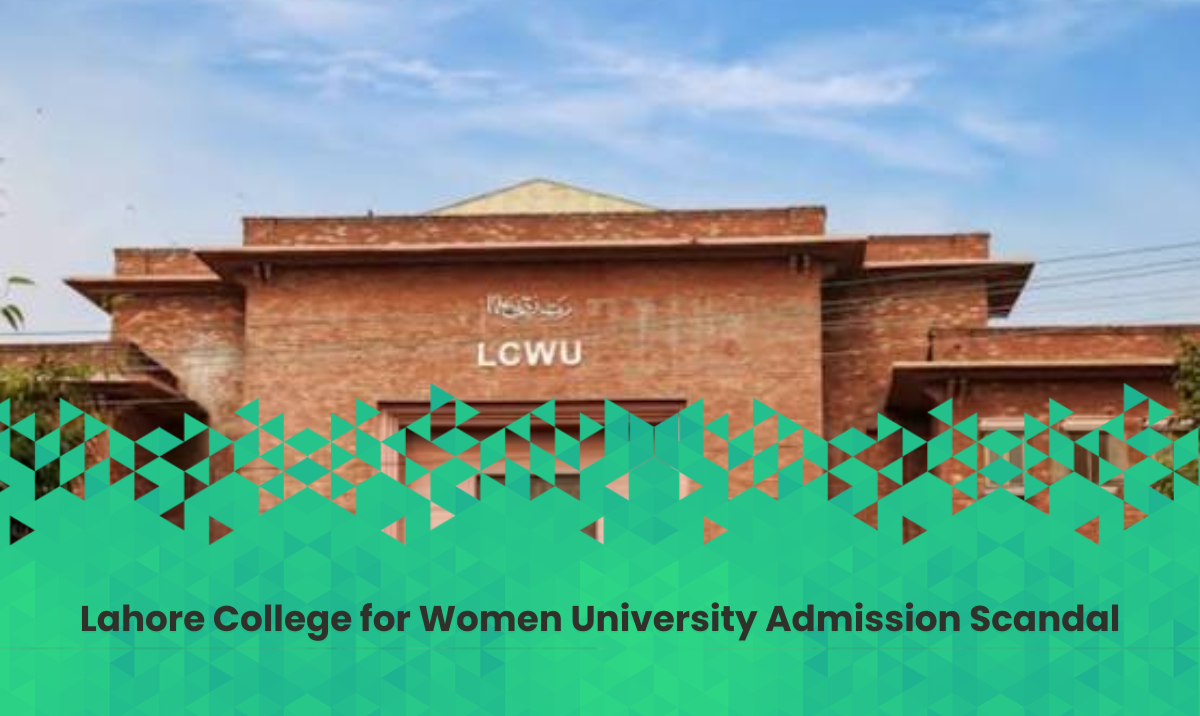
Lahore College for Women University Admission Scandal: Thousands of Students Face Uncertain Future Due to Unapproved Programs
The Lahore College for Women University (LCWU), one of the most prestigious and historic institutions for female higher education in Pakistan, has recently found itself at the center of a major academic scandal. Thousands of young women and their parents are now facing severe anxiety and an uncertain academic future after it was revealed that the university sold admission processing forms for multiple degree programs that lack official legal and regulatory approval.
This unfolding crisis has raised serious questions about the administrative competence, transparency, and accountability of the university management. As students struggle to comprehend the sudden disruption to their higher education plans, stakeholders are demanding an immediate, transparent inquiry by the Higher Education Commission (HEC) and provincial authorities.
The Core Issue: Selling Forms Without Regulatory Approval
According to investigative sources within the academic circles, the root of the scandal lies in a critical administrative lapse. LCWU management initiated the admission process for several high-demand, career-defining undergraduate and graduate programs—most notably including Artificial Intelligence (AI) and Information Technology (IT)—despite lacking the mandatory statutory approvals required to launch and teach these disciplines.
Under standard educational regulations in Pakistan, universities must obtain strict clearance, accreditation, and NOCs (No Objection Certificates) from relevant professional educational bodies and councils, such as the Higher Education Commission (HEC) and specialized federal professional councils. In this case, the necessary approvals from the Federal Councils for Professional Degree Education were never secured before the university opened admissions to the public.
Despite this glaring legal and regulatory roadblock, the administration proceeded to aggressively market the programs, print materials, and sell admission forms to thousands of aspiring female students based on their intermediate (First Year) results.
Broken Promises: Forms Sold, Merit Lists Withheld
The timeline of the deception became apparent when thousands of hopeful candidates, having invested their hard-earned money and precious time into filling out and submitting admission forms, waited endlessly for the release of the merit lists.
As weeks passed without any official merit lists being published for these specific disciplines, panic began to spread among the applicant pool. It was eventually revealed that the unapproved disciplines could not pass the standard review process because the university failed to complete the mandatory Standard Operating Procedures (SOPs) and faculty-to-student ratios required by regulatory authorities.
Rather than proactively halting admissions before collecting fees and application forms, the university administration allegedly pushed forward, trapping thousands of students in a bureaucratic nightmare. The delay in releasing merit lists was a direct consequence of the administration’s realization that they did not possess the legal authorization to run the classes.
The Impact on Students and Forced Program Transfers
The human cost of this administrative failure is immense. For many female students in Lahore and surrounding regions, Lahore College for Women University represents a safe, reputable, and accessible hub for quality education. Families often plan their daughters' futures years in advance, specifically targeting futuristic and high-yielding fields like Artificial Intelligence and Information Technology to secure competitive jobs in Pakistan's growing tech sector.
Now, instead of embarking on their dream careers in tech, these students have been left in limbo. In a move that has drawn widespread criticism and outrage from student bodies and parents alike, the LCWU administration has casually requested affected candidates to transfer their admission forms to entirely different, unrelated academic departments.
This arbitrary "solution" ignores several critical realities:
-
Mismatch in Career Goals: A student who applied for Artificial Intelligence or IT has specific aptitude and career ambitions that cannot simply be substituted with a random humanities, basic sciences, or arts discipline.
-
Loss of Precious Time: Admission cycles are tightly timed. By the time LCWU admitted to its administrative failure, admission deadlines at other reputable public and private universities had already passed, effectively robbing these students of a full academic year.
-
Financial and Mental Distress: Families have suffered financial losses through form fees, courier charges, and prospectus purchases, compounded by severe mental stress and a loss of trust in public sector educational administration.
Urgent Demands for Accountability and HEC Intervention
The LCWU admission crisis has transformed from a localized administrative hiccup into a major provincial talking point, shedding light on systemic flaws in how public universities manage technical and modern degree programs. Educational experts argue that opening admissions for unaccredited programs is not just negligence; it is a direct breach of consumer and student trust.
Civil society organizations, student unions, and concerned citizens are calling upon the Government of Punjab, the Higher Education Department (HED) Punjab, and the Higher Education Commission (HEC) to take immediate notice of the situation.
Key demands being raised include:
-
A High-Level Judicial or Bureaucratic Inquiry: A transparent investigation to identify the specific officials responsible for greenlighting admissions without prior federal and HEC clearance.
-
Strict Disciplinary Action: Penalizing the negligent management officials to set a legal precedent so that no other university treats students' futures with such casual disregard.
-
Alternative Placement or Compensation: Ensuring that affected students are either accommodated in duly approved, equivalent programs with fee waivers or provided direct admissions in sister institutions without losing a year.







Share your comments & questions here
No comments yet. Be the first to comment!