




 Home
Home
 National
 International
 Merit list
 Date Sheet
 Result
 Admission
 Study Abroad


.jpg)
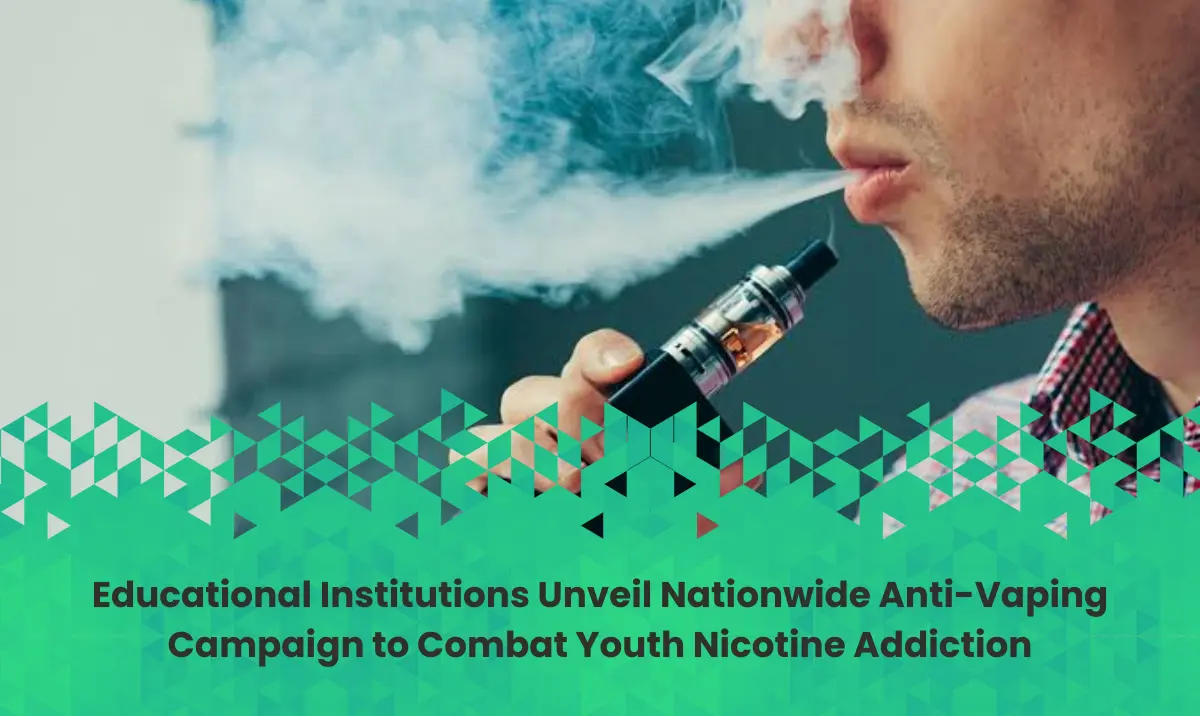
Educational Institutions Launch Anti-Vaping Awareness Campaign to Protect Youth
The modern academic landscape faces a quiet yet escalating crisis. While traditional forms of substance abuse have long been the primary target of campus safety initiatives, a new, sleek, and heavily marketed threat has infiltrated student populations globally. Electronic cigarettes, commonly known as vapes, along with nicotine pouches and modern smokeless alternatives, have rapidly gained traction among teenagers and university students. In response to this pressing public health challenge, educational institutions launch anti-vaping awareness campaign frameworks designed to reverse a dangerous normalization of nicotine consumption among the younger generation.
Spearheaded by collaborative efforts involving public health advocates, academic administrators, and specialized organizations such as the Drug Advisory Training Hub , these comprehensive initiatives seek to unmask the realities behind flavored aerosols and alternative nicotine products. Through targeted seminars, interactive workshops, and evidence-based dialogues, these campaigns aim to dismantle the pervasive myth that vaping is a harmless alternative to traditional smoking.
The Rising Tide of Youth Vaping: A Growing Epidemic
Over the past decade, the marketplace has experienced a dramatic shift in how nicotine is packaged, marketed, and consumed. Gone are the days when tobacco use was exclusively associated with conventional, strong-smelling cigarettes. Today, sleek pod systems, disposable vapes shaped like everyday gadgets, and colorful fruit-flavored liquids have transformed nicotine delivery into a trendy lifestyle accessory.
Marketed cleverly with appealing packaging, candy-like flavors, and misleading descriptors, these products successfully capture the attention of impressionable young minds. Unfortunately, this tactical rebranding has created a false sense of security. Many students who would never touch a traditional cigarette feel entirely comfortable trying a cherry- or mint-flavored vape, entirely unaware of the chemical reality hiding inside the vapor.
Public health experts emphasize that this experimental curiosity frequently morphs into rapid chemical dependency. Because electronic nicotine delivery systems allow for frequent, discreet use—often indoors or even during academic lectures—users consume significantly higher concentrations of nicotine than they might realize. The harmful effects of vaping extend far beyond simple habit formation, triggering acute physiological changes and long-term developmental disruptions, particularly for brains that are still maturing well into a person's mid-twenties.
The Role of the Drug Advisory Training Hub in Campus Intervention
Recognizing that conventional disciplinary measures alone cannot solve a public health crisis, community organizations have stepped up to provide proactive education. A prominent example of this proactive outreach is the series of intensive awareness sessions organized recently by the Drug Advisory Training Hub for students spanning multiple universities.
These specialized sessions move away from scare tactics, opting instead for scientifically grounded, transparent dialogue. Experts break down the exact composition of vape aerosols, which—contrary to popular belief—are not merely harmless water vapor. Instead, they consist of a complex chemical cocktail containing ultrafine particles, heavy metals like nickel, tin, and lead, and volatile organic compounds. When heated and inhaled, these substances inflict direct trauma on sensitive lung tissue.
During these interactive campus programs, facilitators engage students directly, addressing why young people turn to nicotine—often citing academic stress, peer pressure, or social conformity. By creating an open, non-judgmental environment, the sessions empower students to critically evaluate industry marketing and recognize the manipulation behind appealing flavor profiles and social media promotions.
Deconstructing the Dangers: Vaping, Nicotine Pouches, and Cigarettes
A core objective of the newly launched institutional campaigns is providing a comprehensive comparative analysis of various nicotine-based products. Students are educated on the spectrum of risks associated with distinct delivery mechanisms:
1. Electronic Cigarettes and Vapes
Vapes heat a liquid solution—typically comprising propylene glycol, vegetable glycerin, chemical flavorings, and nicotine—into an aerosol that the user inhales. The harmful effects of vaping include severe lung injuries (such as EVALI), chronic bronchitis, diminished athletic performance, and cardiovascular strain characterized by elevated heart rates and blood pressure. Furthermore, nicotine exposure during youth alters neural circuitry governing attention, learning, mood, and impulse control.
2. Nicotine Pouches and Smokeless Products
Often marketed as clean, spit-free alternatives, nicotine pouches have surged in popularity. Users place these small sachets between their lip and gum, allowing nicotine to be absorbed rapidly through the mucous membranes. While they eliminate smoke-related lung irritation, they deliver substantial doses of highly addictive nicotine directly into the bloodstream, posing severe risks to oral health, cardiovascular function, and systemic dependency.
3. Conventional Cigarettes and Alternate Tobacco
Despite the rise of electronic alternatives, traditional cigarettes and combustion-based products remain a potent threat. The campaign reinforces that moving from cigarettes to vapes is not quitting; it is merely shifting forms of chemical exposure. Dual use—using both cigarettes and vapes simultaneously—is particularly prevalent and multiplies health risks exponentially.
Institutional Responsibility and Collaborative Prevention Frameworks
Safeguarding campuses requires more than occasional guest lectures; it demands systemic, institutional transformation. Educational administrators are increasingly recognizing that creating a truly healthy academic ecosystem involves a multi-layered prevention model.
Key strategies being integrated across universities and colleges include:
-
Strict Smoke- and Vape-Free Policies: Extending campus bans explicitly to include electronic nicotine delivery systems and modern pouches, ensuring clean air for all students and staff.
-
Peer-Led Advocacy Networks: Equipping student ambassadors with the knowledge and tools to lead grassroots anti-vaping conversations within dormitories, student societies, and social circles.
-
Mental Health and Counseling Integration: Providing robust psychological support systems. Because anxiety and stress are primary drivers of substance experimentation, addressing underlying mental health concerns drastically reduces vulnerability to addiction.
-
Faculty and Staff Sensitization: Training teachers and administrative personnel to recognize early behavioral and physical indicators of nicotine dependency, enabling compassionate and early intervention.
The Path Forward: Empowering Youth for a Smoke-Free Future
The decision by educational institutions to launch a synchronized anti-vaping campaign marks a critical turning point in public health advocacy. By confronting the myths surrounding electronic nicotine products head-on, society can reclaim the well-being of its future leaders, innovators, and professionals.
Education remains the ultimate line of defense. When young individuals are armed with transparent facts, critical thinking skills, and supportive community networks, they are exceptionally well-equipped to reject corporate manipulation and make health-conscious choices. Through sustained collaboration between organizations like the Drug Advisory Training Hub , university administrations, and the students themselves, campuses are steadily transforming into spaces where health, awareness, and resilience truly thrive.








Share your comments & questions here
No comments yet. Be the first to comment!