
.jpg)
 Home
Home
 Education
 Technology
 Relationship
 History
 Business
 Career
 Religion
 (1).jpg)


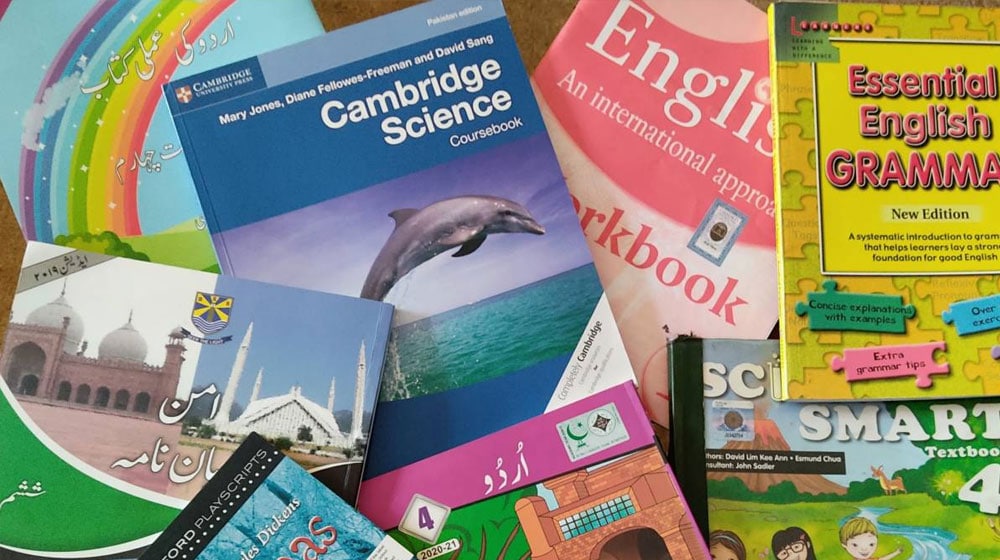
Soaring Textbook Costs: A Looming Crisis for Students and Parents
An unprecedented surge in regulatory fees is poised to trigger a dramatic increase in textbook prices, sparking widespread concern among publishers, educators, and families across the country. The recent steep hike in No Objection Certificate (NOC) and licence renewal fees has created a financial shockwave through the publishing industry, threatening to make essential educational materials significantly less affordable for millions of students.
The Regulatory Fee Surge: Understanding the Numbers
The scale of the increase is staggering. According to confirmed industry reports, the NOC licence fee for textbooks has escalated from Rs. 20,000 to Rs. 150,000. Simultaneously, the licence renewal fee has jumped from Rs. 5,000 to Rs. 75,000. These aren't marginal adjustments but transformative increases that fundamentally alter the economics of textbook publishing.
Publishers, already operating on thin margins in the educational sector, have indicated that absorbing these costs is financially impossible. The additional burden will inevitably be transferred down the supply chain, ultimately landing on the desks of students and in the budgets of their parents.
Projected Impact: A 40-50% Price Hike on the Horizon
Industry analysts project that if the new fee structure remains unchanged, consumers should brace for textbook prices to rise by 40 to 50 percent. This projection is particularly alarming for private school textbooks, which are directly affected by these regulatory requirements. A price increase of this magnitude represents more than an inconvenience; it poses a genuine threat to educational accessibility.
For families with multiple school-going children, the cumulative cost could become prohibitive. The annual textbook purchase, already a significant budgetary line item for middle and lower-income households, may transform into an expense that requires sacrificing other essentials.
The Ripple Effect on Educational Access
Beyond the immediate financial strain, educators warn of deeper consequences. "When textbook prices soar, the first casualty is consistent access to learning materials, a principal with twenty years of experience in private education. "We risk creating a divide where some students have up-to-date books while others share outdated copies or rely solely on classroom notes."
This concern is echoed by parent associations, who highlight that the price hike comes amid already rising inflation affecting school fees, uniforms, and transportation. The compounded effect could push quality education further out of reach for vulnerable socioeconomic groups, potentially increasing dropout rates and widening educational inequality.
The Publisher's Dilemma: Survival Versus Affordability
From the publishers' perspective, the situation presents a painful dilemma. Publishing houses, particularly those specializing in educational content, view their role as a partnership in the nation's educational development. However, the drastic fee increases threaten their operational viability.
"We are not just businesses, we see ourselves as stakeholders in the country's literacy and educational future," explains Rahim Khan, a representative of a major educational publishing firm. "But with these new fees, the choice becomes stark: either pass on the costs or face severe financial distress that could compromise our ability to produce quality materials at all."
Many publishers have jointly appealed to the relevant authorities, urging an immediate review of the decision. They argue that while regulatory oversight is necessary, the fee structure should be rationalized to support, rather than hinder, the affordable production of educational resources.
A Call for Balanced Policy Intervention
The current crisis highlights the need for balanced policy-making that considers the entire educational ecosystem. Regulatory bodies have legitimate roles in maintaining standards, ensuring content quality, and protecting intellectual property. However, the scale of these fee increases appears disconnected from the economic realities of both producers and consumers.
Stakeholders propose several solutions: a phased implementation of fee increases, a sliding scale based on publisher size and volume, or subsidies for textbooks in core subjects. Some suggest that the government could offset fees by providing tax incentives for educational publishing, thereby maintaining regulatory oversight without triggering a price crisis.
The Global Context: Lessons from Abroad
Internationally, many countries treat educational materials as essential goods, applying reduced tax rates or providing direct subsidies to keep costs low. Some nations have robust textbook rental schemes in public schools or invest in open educational resources (OERs) to reduce dependence on commercial textbooks. This moment could serve as an opportunity to explore such hybrid models locally, combining regulated private publishing with state-supported resource distribution to ensure no student is left without books.
Conclusion: Protecting the Right to Learn
The impending textbook price crisis is more than an economic issue it's an educational emergency. As the new academic year approaches, timely intervention is crucial. Authorities must engage in urgent dialogue with publishers, educators, and parent bodies to find a sustainable path forward.
The goal must be clear: to protect the right of every child to access quality learning materials without imposing an unbearable financial burden on families. By revisiting the fee structure and exploring supportive measures, we can safeguard educational affordability and ensure that the pursuit of knowledge remains within reach for all students, regardless of their economic background. The pages of our children's future should not be closed by unaffordable costs.