

 Home
Home
 National
 International
 Merit list
 Date Sheet
 Result
 Admission
 Study Abroad
.jpg)


Sindh Allows 164 Government Colleges to Offer 4-Year BS Programs
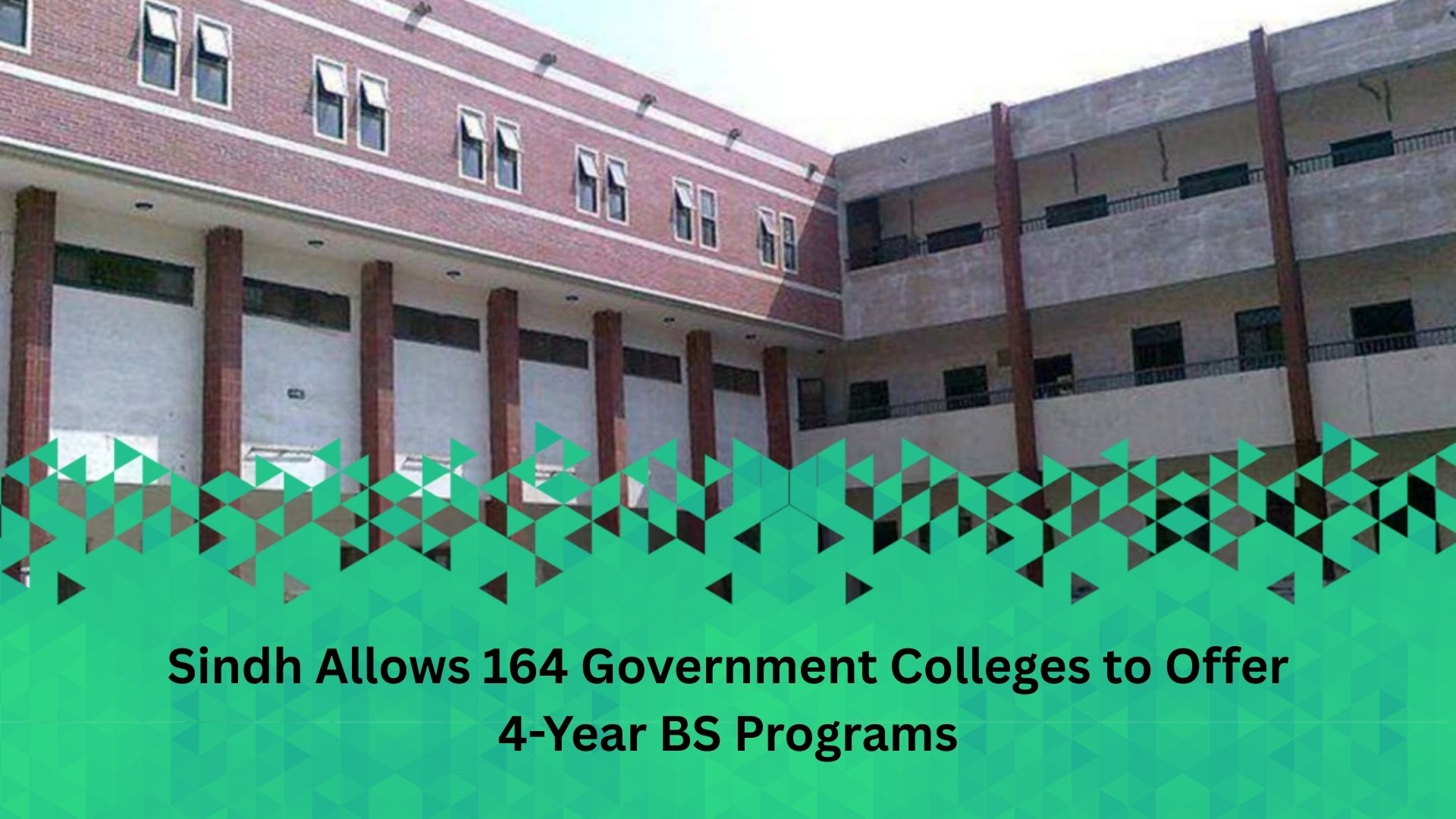
In a transformative move for public higher education, the Sindh government has sanctioned the introduction of four-year Bachelor of Studies (BS) programs in 164 additional government colleges across the province. This major expansion aims to democratize access to quality, affordable undergraduate education for students in their hometowns, eliminating financial and geographic barriers.
The decision, spearheaded by the Sindh Colleges Department, will allow students to pursue full-fledged BS degrees in core disciplines like Science, Commerce, Arts, and Computer Science at a fraction of the cost charged by universities. By leveraging the existing network of 376 government colleges , the policy directly addresses the critical need for localized higher learning infrastructure.
“This initiative is about equity and opportunity,” said Sindh Secretary for Colleges, Nadeem ur Rehman, “We are bridging the gap between colleges and universities. Students, especially from middle and lower-income families and remote areas, should not have to bear the prohibitive costs of moving to major cities for a bachelor’s degree.”
From Colleges to Degree-Granting Institutions: The Affiliation Model
The operational heart of this policy lies in formally affiliating selected government colleges with recognized public universities . This model ensures that the academic curriculum, examination system, and degree certification meet university standards, guaranteeing the value and credibility of the qualifications offered.
Out of the total 376 government colleges in Sindh, 164 institutions have proactively applied for university affiliation under this new phase. This builds upon an existing foundation: 55 colleges are already successfully running BS programs , and five more in Karachi have recently secured affiliation, bringing the current operational total to 60.
“The process is accelerating,” Secretary Rehman confirmed. “We expect approvals for BS programs in another 159 colleges soon , as affiliations with additional universities are in the final stages of processing.”
Impact Analysis: Benefits for Students and the Education Ecosystem
The rollout of this policy is set to create a multi-faceted positive impact:
-
Dramatic Cost Reduction: Tuition fees at government colleges are significantly lower than at universities. Coupled with savings on hostel expenses, transportation, and living costs, this makes a bachelor’s degree financially viable for thousands of families.
-
Geographic Accessibility: Students, particularly women and those from rural districts like Jacobabad, Umerkot, Tharparkar, and Kashmore, can now pursue higher education without the social or economic challenges of relocating.
-
Reduced Pressure on Universities: Premier universities in Karachi, Hyderabad, and Sukkur are perennially overcrowded. This expansion will decentralize undergraduate education, allowing universities to focus more on postgraduate research and innovation.
-
Utilizing Existing Infrastructure: The plan optimizes the use of the province’s vast college network—including buildings, labs, and teaching staff—by upgrading their academic offerings to a degree level.
-
Skilling the Local Workforce: By offering degrees in high-demand fields like Computer Science and Commerce, the initiative aligns education with market needs, potentially boosting local economic development.
Challenges and the Road Ahead
While the policy is widely hailed, experts note that its success hinges on execution. Key challenges include ensuring adequate faculty training to teach university-level courses, upgrading science laboratory facilities and computer labs to modern standards, and maintaining a consistent quality of education across all affiliated colleges.
“Affiliation is the first step. Sustained funding for infrastructure, regular faculty development programs, and stringent quality assurance mechanisms are non-negotiable for this to be a true success,” commented an education analyst based in Karachi. “The Colleges Department must work in continuous partnership with the affiliating universities for monitoring and support.”
The Sindh government has indicated that phased funding will be allocated for necessary upgrades. The affiliation agreements with universities also typically include clauses for academic oversight and teacher training.
A Paradigm Shift in Sindh’s Education Landscape
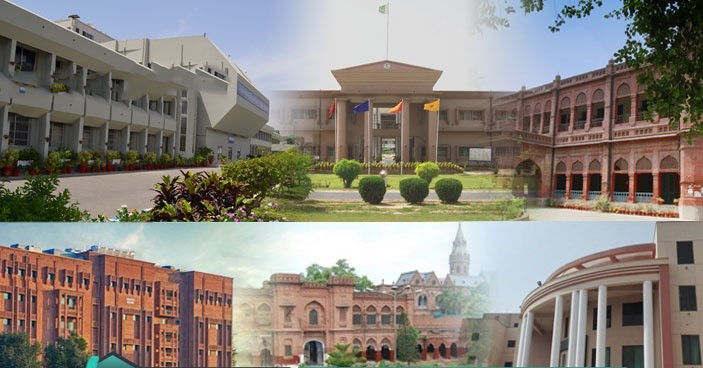
This large-scale expansion of BS programs marks a paradigm shift in Sindh’s educational policy , moving towards a more inclusive and accessible higher education model. By transforming government colleges into vibrant hubs for undergraduate degrees, the province is taking a decisive step toward achieving higher enrollment rates and fostering socio-economic mobility from the grassroots level.
Prospective students and parents are advised to contact their local government colleges or the Sindh Colleges Department for specific details on application timelines, available disciplines, and the respective affiliating universities for the upcoming academic sessions.