

 Home
Home
 National
 International
 Merit list
 Date Sheet
 Result
 Admission
 Study Abroad
.jpg)


Shocking Report Reveals Punjab's Educational Crisis: Classes Held on Only 116 of 298 Academic Days
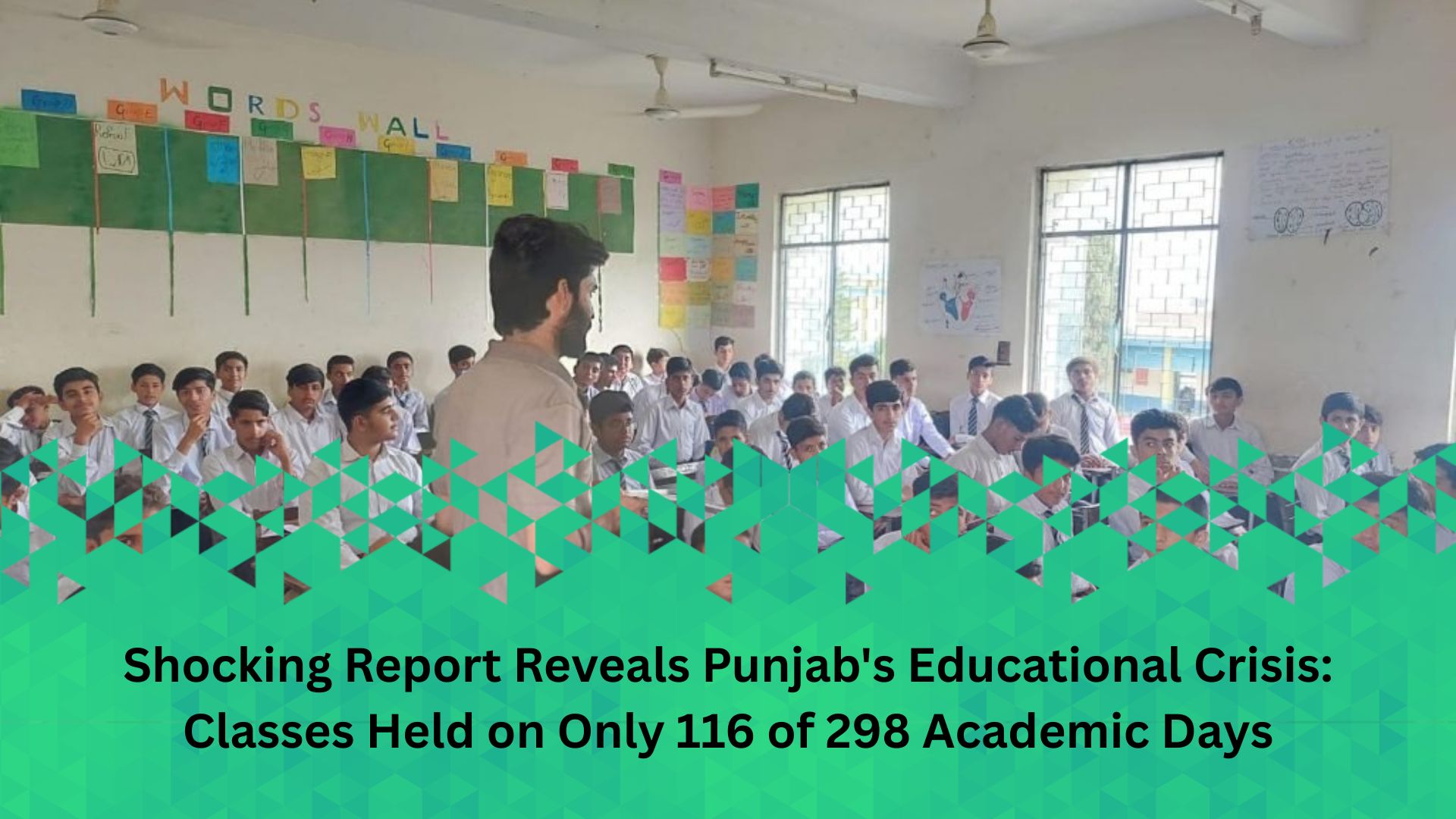
A staggering operational deficit has thrown Punjab’s education sector into sharp relief, with a new report revealing that classes across the province’s schools and colleges have been conducted on a mere 116 days out of an allotted 298-day academic year . This alarming statistic underscores a systemic crisis threatening the academic progression of millions of students.
The report, which has sparked widespread concern among parents, educators, and policymakers, calculates that a devastating 182 instructional days have been lost in the current academic year. This massive shortfall is attributed to a cascading series of closures, including weekends, scheduled summer and winter vacations, gazetted holidays, and unprecedented disruptions due to floods, security concerns, and unannounced breaks.
A Calendar in Disarray: Breaking Down the Lost Days
While weekends and planned seasonal breaks are part of any academic calendar, the sheer volume of ad hoc closures has crippled the teaching schedule. The confluence of emergencies such as the widespread flood-related disruptions and security-driven closures compounded by officially declared holidays, has created an unsustainable model.
The report projects that even with approximately 30 more days of instruction expected in January and February, the total teaching days for the entire academic year will barely reach 146 . This falls catastrophically short of the globally and nationally recognized benchmarks for effective education delivery.
Academic Standards in Vulnerability
Educational research consistently emphasizes that a minimum of 180 days of curricular activities are essential to adequately cover a prescribed syllabus. When the necessary period for conducting examinations is included, the requirement extends to at least 210 days .
The current reality of 146 days places Punjab’s students at a severe disadvantage, risking incomplete syllabus coverage, compromised learning outcomes, and increased pressure during examination periods. The annual examinations, slated to begin in March, now loom over students and teachers who have had less than 40% of the expected contact time for the year.
Stakeholders Propose Solutions, Department Promises Reform
In response to the crisis, school owners and administrators have proposed concrete adjustments to mitigate future disruptions. A key recommendation is to shift the winter vacation period from December to January . This pragmatic change would capitalize on the relatively milder early winter days for teaching and place the break during the year's peak cold, potentially reducing weather-related closures and improving student attendance.
Acknowledging the severity of the issue, the Punjab School Education Department has assured stakeholders that it will revise the academic calendar pattern starting from the next academic year. This commitment is seen as a critical first step toward restoring stability and ensuring that the calendar is resilient, student-centric, and cognizant of both climatic realities and pedagogical necessities.
The Human Impact: Students and Teachers Bear the Brunt
Beyond the statistics, the crisis has a profound human cost. Students, particularly those in board and public examination years, face immense anxiety over syllabus completion. Teachers struggle with the impossible task of compressing months of curriculum into weeks, often at the expense of conceptual understanding and critical thinking exercises.
Parents, already burdened by economic pressures, are left grappling with the implications of a diluted education and the challenge of managing children during unscheduled, frequent breaks.
A Call for Systemic Overhaul
Education experts argue that the report is a symptom of a deeper malaise requiring a systemic overhaul . They call for:
-
A Dynamic Academic Calendar: Designing a calendar with built-in buffer days for unforeseen closures, ensuring a guaranteed minimum number of teaching days.
-
Digital Integration Plans: Developing robust protocols for hybrid or remote learning during forced closures to maintain educational continuity.
-
Strict Regulation of Ad-hoc Closures: Implementing clear, stringent policies to minimize unscheduled breaks, reserving them only for genuine emergencies.
-
Transparent Communication: Establishing a unified, transparent system for announcing and explaining closures to the public.

Looking Ahead: The Imperative for Action
As Punjab’s students prepare for their annual examinations under these constrained circumstances, the report serves as a stark warning. The promised revision of the academic calendar by the School Education Department will be closely watched. Its effectiveness will be measured not just in days allocated, but in its flexibility, foresight, and ultimate success in safeguarding the constitutional right to quality education for every child in Punjab.
The province stands at an educational crossroads. Addressing this calendar crisis is not merely an administrative task but a fundamental imperative to secure the future of its youth and, by extension, the socioeconomic future of the region itself. The time for reform is now, before another academic year is lost to the pages of a broken calendar.