

 Home
Home
 National
 International
 Merit list
 Date Sheet
 Result
 Admission
 Study Abroad


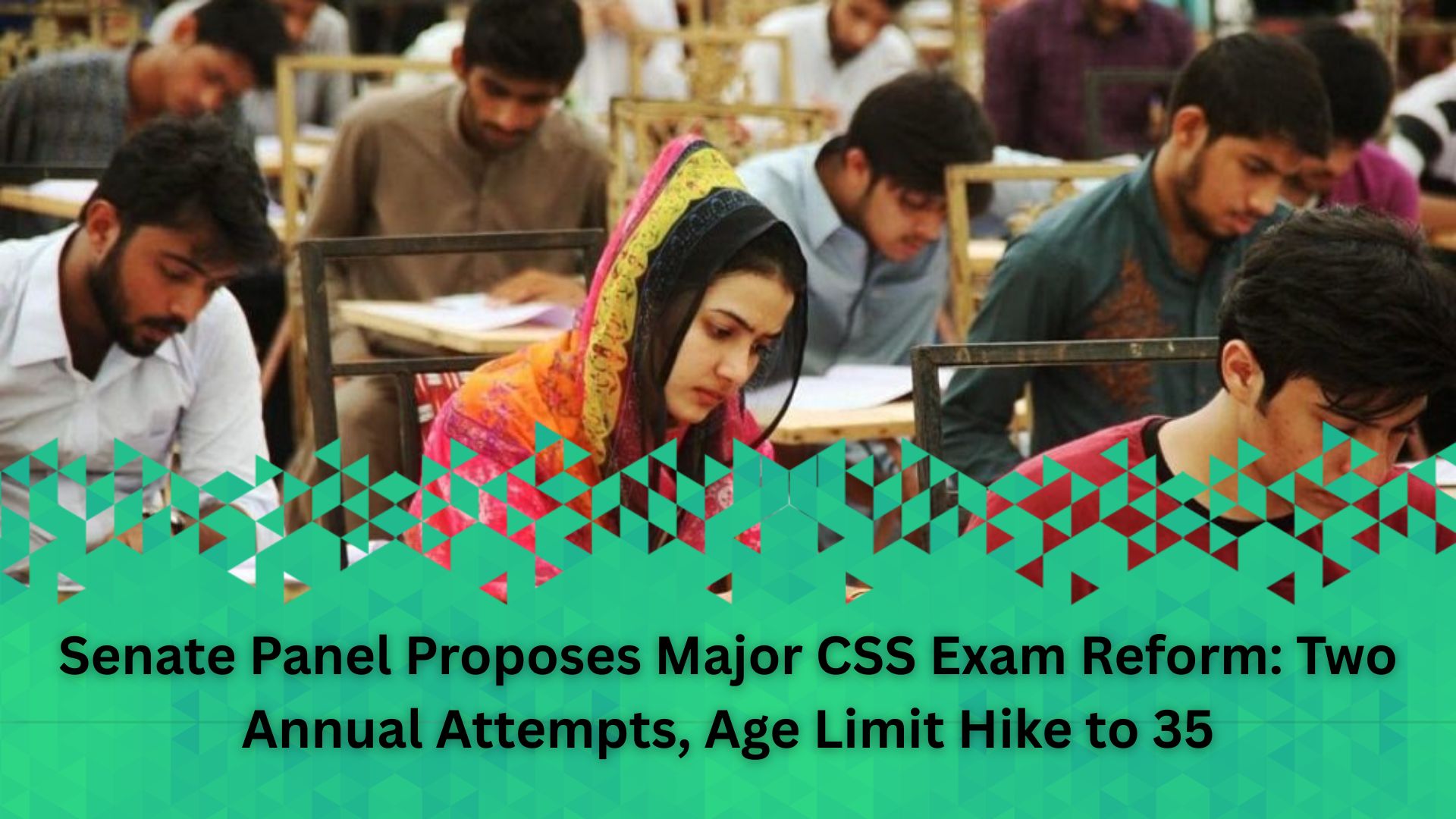
Senate Panel Proposes Major CSS Exam Reform: Two Annual Attempts, Age Limit Hike to 35
In a significant move aimed at overhauling the country’s premier civil service recruitment system, a key Senate body has recommended fundamental changes to the Central Superior Services (CSS) examination , including allowing two attempts per year and increasing the upper age limit to 35 years .
The proposals, if enacted, would mark the most substantial procedural shift in recent years for the highly competitive exam, addressing long-standing demands from aspirants who often face the dual pressures of a single annual chance and stringent age ceilings.
Committee Advocates for Candidate-Centric Reforms
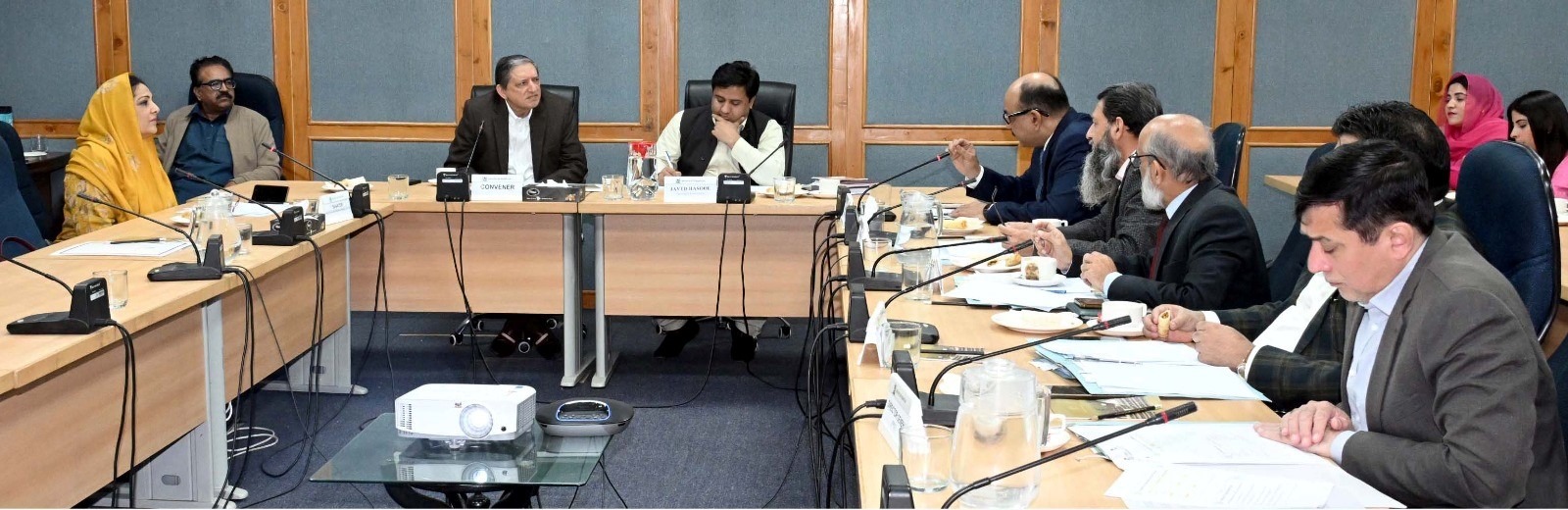
The recommendations emerged during a recent meeting of the Sub-Committee of the Senate Standing Committee on the Cabinet Secretariat, chaired by Senator Saleem Mandviwala . The session, attended by senior officials from the Establishment Division and the Federal Public Service Commission (FPSC) , scrutinized the existing examination structure and its impact on aspirants.
Committee members presented a compelling case for reform. They argued that the current system, which grants candidates only one attempt per calendar year, forces aspirants to stretch their preparation over multiple years. This protracted timeline, coupled with the existing age limit, often results in candidates losing eligibility before they can maximize their chances.
“The single-attempt rule is a source of immense pressure and lost opportunity,” a committee member stated during deliberations. “Allowing two attempts within a year would prevent students from wasting entire years waiting for the next exam. It would enable them to re-attempt quickly if needed, keeping them within the allowable age bracket and making the process more equitable.”
Age Limit: A Barrier to Inclusion
Alongside the attempt frequency, the panel strongly advocated for an increase in the general upper age limit from 30 to 35 years . Members cited the diverse challenges faced by modern candidates, including prolonged academic pursuits, financial constraints, and varying personal circumstances that delay the start or completion of preparation.
“Many candidates face academic gaps or need time to stabilize financially before embarking on the rigorous CSS journey,” the committee noted. “Raising the age limit to 35 would make the service more inclusive and tap into a wider pool of mature, experienced talent who wish to contribute to national governance.”
FPSC Cites Logistical Hurdles
In response to the proposal for biannual examinations, FPSC officials provided a critical perspective grounded in operational reality. They acknowledged the intent behind the recommendation but highlighted significant feasibility challenges under the current examination framework.
The FPSC pointed out that conducting two nationwide CSS examinations annually is not logistically viable with the existing paper-based evaluation system. The process of securely administering the exam, manually marking thousands of answer scripts for multiple subjects, compiling results, and conducting subsequent interviews is immensely time-consuming. Attempting to cycle this process twice a year, they argued, would compromise the thoroughness, accuracy, and integrity of the evaluation.
“The paper-based system demands a considerable timeframe for fair and transparent assessment,” an FPSC representative explained. “Doubling the frequency without a fundamental shift in evaluation methodology would stretch our resources thin and potentially affect quality.”
This stance implicitly underscores the need for technological modernization in the examination process, such as computer-based testing, to enable more frequent exam cycles a transition often discussed but slow to implement.
Broader Review of Exam Structure
Beyond attempts and age, the sub-committee also undertook a comprehensive review of the CSS examination’s structure. This included discussions on the mandatory screening test (now the CSS Preliminary Test) and the extensive written examination component.
The panel reiterated the overarching need to make the entire system more flexible and responsive to the aspirations of a new generation of candidates. The goal is to streamline the process, reduce unnecessary bottlenecks, and ensure that the selection mechanism is robust yet fair, ultimately attracting the best and brightest into the civil service.
Stakeholder Reactions and the Road Ahead
The Senate sub-committee’s recommendations have been welcomed by CSS aspirants and coaching centers, who view them as a positive step toward modernizing a rigid system. Advocacy groups have long campaigned for such changes, arguing they align with practices in other competitive jurisdictions and account for contemporary socio-economic realities.
However, the path from recommendation to implementation is complex. The proposals will require thorough analysis by the Establishment Division, the federal government’s policy-making arm on civil service matters, and the FPSC, the executing authority. A critical dialogue will be needed to balance candidate flexibility with administrative feasibility.
The FPSC’s logistical concerns present a clear challenge, suggesting that any move toward biannual exams may be contingent upon parallel investments in examination technology and process digitization.
The Senate sub-committee’s proactive review has placed crucial CSS reforms back on the national agenda. By championing two annual attempts and a higher age limit, the panel has directly addressed the core anxieties of thousands of aspirants. While the FPSC’s operational constraints are a valid counterpoint, they also highlight the necessity for systemic modernization.
The coming months will be crucial as stakeholders engage to find a workable consensus. The outcome will determine whether Pakistan’s civil service recruitment can evolve into a more accessible and dynamic gateway, capable of harnessing a broader spectrum of talent for the nation’s administrative machinery. For now, a renewed sense of hope and a vigorous debate on the future of the CSS have been firmly ignited.