

 Home
Home
 National
 International
 Merit list
 Date Sheet
 Result
 Admission
 Study Abroad





Senate Panel Proposes Major Changes to MDCAT and Medical College Admissions
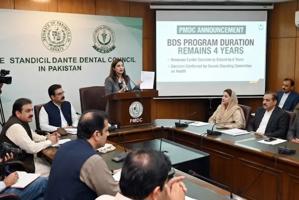
In a move aimed at reshaping the future of medical education in Pakistan, a subcommittee of the Senate Standing Committee on Health has officially recommended sweeping, structural reforms to the Medical and Dental College Admission Test (MDCAT) and the country's overall medical college admission system.
The comprehensive report, presented by a dedicated Senate panel, addresses long-standing grievances of aspirants, mounting stress from single-exam dependencies, and critical imbalances in the national healthcare workforce. With high stakes surrounding medical entrances, the proposed changes seek to build a transparent, equitable, and merit-based framework for all aspiring healthcare professionals.
Key Recommendations for MDCAT Structural Overhaul
The parliamentary subcommittee highlighted that a single evaluation day should not dictate an aspiring doctor's entire professional trajectory. To alleviate intense psychological pressure, the panel has outlined several primary adjustments:
-
MDCAT Twice a Year: The Senate panel proposed conducting the MDCAT exam twice a year. This change ensures that students who face unfortunate circumstances or underperform on their first attempt do not lose an entire academic year.
-
Reduction in Admission Weightage: The committee recommended slashing the test's weightage in final merit calculations from the current 50% down to 30%. This reduction curbs absolute reliance on the entrance score and balances it with intermediate or equivalent grades.
-
Three-Year Result Validity: To provide long-term flexibility, the panel suggested extending the validity of MDCAT results to three years.
-
Advance Scheduling and Transparency: Exam dates must be announced well in advance and remain unchanged except under extreme, unavoidable emergencies.
-
Disputed Question Review System: A formal, swift complaint and review mechanism must be established to handle ambiguous, incorrect, or controversial questions, saving students from months of unnecessary anxiety.
Leveling the Playing Field for FSc and Cambridge Students
A major concern raised in the parliamentary report is the disparity between various educational tracks. Past iterations of the test often favored specific curricula, creating hurdles for candidates from diverse backgrounds.
To resolve this, the Senate subcommittee asserted that the MDCAT syllabus must be standardized to treat students from FSc, Cambridge O/A Levels, and International Baccalaureate (IB) systems fairly. The panel strongly recommended involving professional education experts from all three academic streams directly in syllabus preparation and question-bank formulation.
Addressing Seat Gaps and the Healthcare Workforce Crisis
Beyond the entrance exam itself, the Senate panel drew sharp attention to systemic bottlenecks within Pakistan's medical infrastructure. Citing official figures, the committee noted that while nearly 169,520 candidates appeared in the MDCAT, only about 16,648 officially passed under strict historic criteria, contrasting heavily with the national cap of approximately 22,300 total medical and dental seats. Thousands of qualified aspirants are left locked out of local institutions every single year.
-
Five-Year Expansion Plan: The government has been urged to construct a robust five-year strategy to gradually scale up medical and dental seats, focusing particularly on public-sector institutions and underserved territories like Balochistan and Azad Jammu and Kashmir (AJK).
-
Brain Drain Concerns: Highlighting that over 40,000 qualified Pakistani doctors have emigrated abroad in search of better career prospects in recent years, the panel called for a broader workforce expansion policy rather than artificially restricting access to medical education.
-
Fee Controls and Financial Aid: The report emphasizes strict regulatory reviews of exorbitant private medical college fees, enhanced financial assistance programs for deserving students, and comprehensive methods to ensure zero vacant seats go unutilized.
Relief Measures and Accountability for PMDC
Acknowledging recurring environmental and administrative disruptions, the committee proposed a permanent relief mechanism for MDCAT candidates impacted by natural disasters, severe weather events, security lock-downs, or regional emergencies.
Furthermore, the Pakistan Medical and Dental Council (PMDC) was urged to maintain absolute institutional transparency by publishing complete annual data covering registrations, score distributions, available seat quotas, and final admissions. Setting up fast-track email channels, active call centers, and immediate grievance redressing desks will ensure the council remains fully accountable to students and parents alike.
As these monumental proposals move forward for legal review and formal implementation, students and academic stakeholders across Pakistan anticipate a fairer, more compassionate medical entrance landscape.