

 Home
Home
 National
 International
 Merit list
 Date Sheet
 Result
 Admission
 Study Abroad
.jpg)


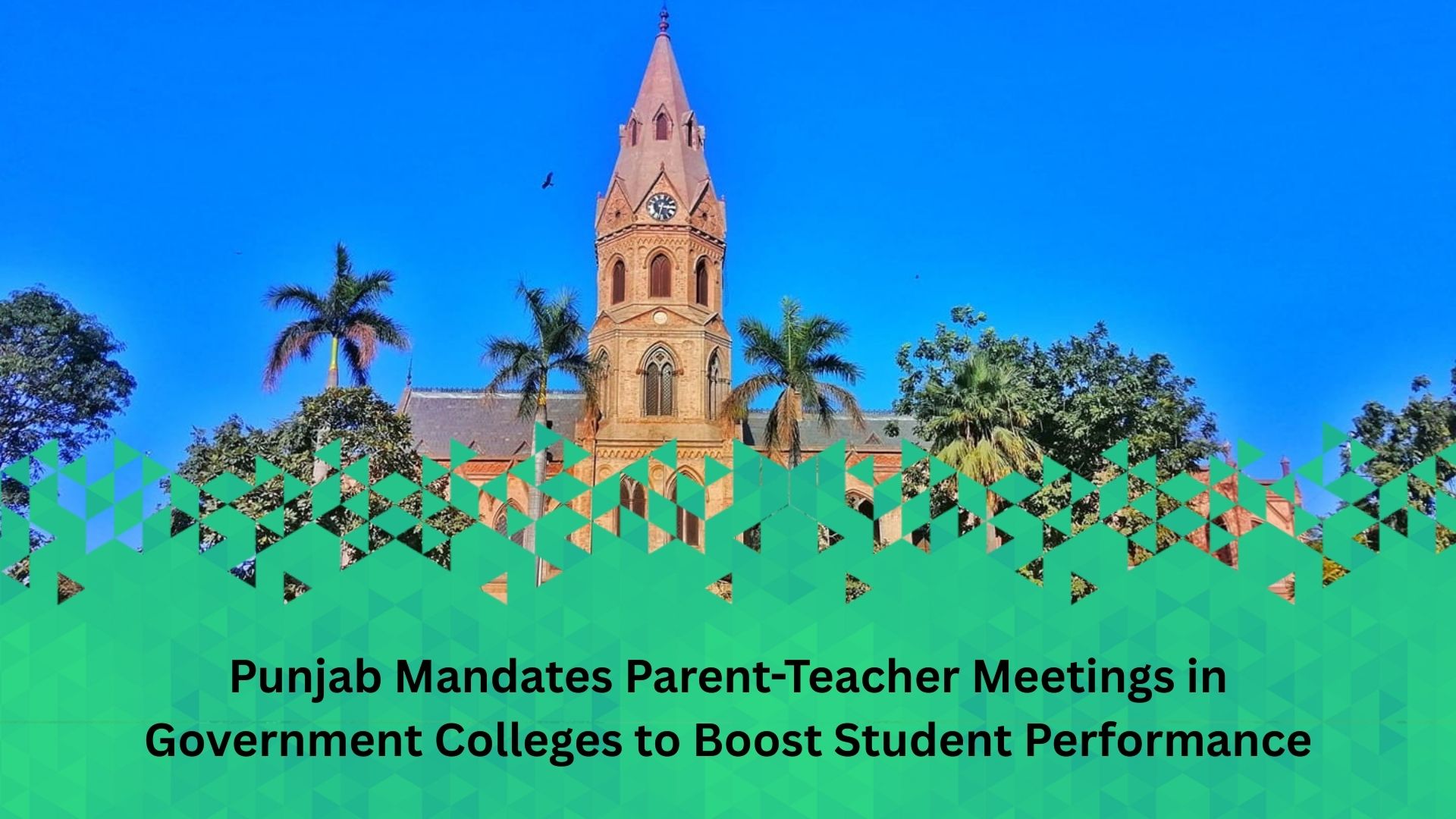
Punjab Mandates Parent-Teacher Meetings in Government Colleges to Boost Student Performance
In a significant move aimed at bolstering academic accountability and fostering a collaborative educational environment, the Directorate of Public Instruction (DPI) Colleges Punjab has issued a formal directive making Parent-Teacher Meetings (PTMs) compulsory across all public sector colleges in the province . The new policy, set to take effect from January 22nd, 2026 , mandates structured interactions between educators and parents to review student performance and devise actionable improvement plans.
A Formal Shift Towards Collaborative Education
The official notification from the DPI Colleges Punjab marks a paradigm shift in the administrative approach within higher education institutions. Previously more common in primary and secondary schools, the institutionalization of PTMs at the college level underscores the government’s focus on improving educational outcomes and engagement in the public sector.
According to the directive, the inaugural round of mandatory PTMs will focus on reviewing the December test results. Parents will be provided with detailed insights into their children’s academic performance, attendance, and overall conduct. A key feature of the meetings will be the recognition of high achievers, with certificates to be awarded to position holders during the sessions. Principals have been expressly directed to encourage and celebrate these top performers.
Structural Mandates and Accountability Measures
The policy has been framed with strict accountability mechanisms to ensure compliance and uniformity across the board.
-
Mandatory Participation: The directive is not limited to parents and teachers. It expressly mandates the physical presence of the respective college’s Director, Deputy Director, and designated Focal Persons at these PTMs. This highlights the administrative weight being given to the initiative, ensuring senior officials are directly exposed to ground-level feedback.
-
Documentation and Reporting: Each college is required to send a comprehensive photo report of the conducted PTM to the central DPI Colleges Office. This visual documentation will serve as a verification tool and a means to share best practices among institutions.
-
Systematic Review and Planning: The PTMs are designed to be more than mere report-card distribution events. The core objective is to facilitate a two-way dialogue where teachers can explain academic challenges and strengths, while parents can share contextual information about the student. Together, they are expected to formulate a concrete, collaborative plan to enhance the student’s academic trajectory.
Rationale and Expected Outcomes
Education analysts view this directive as a response to long-standing concerns about communication gaps between college administrations and families. At the college level, student autonomy increases, often leading to decreased parental involvement, which can sometimes correlate with declining performance or engagement.
“This is a welcome and necessary step,” commented Dr. Ayesha Raza, an education policy expert based in Lahore. “Involving parents in the collegiate journey creates a support system for the student. It moves beyond the traditional, transactional relationship and builds a partnership focused on student success. The mandatory attendance of senior officials also signals serious intent from the top administration.”
The expected outcomes of the policy are multi-fold:
-
Improved Academic Performance: Regular feedback loops and jointly created plans are anticipated to lead to timely interventions for struggling students and continued motivation for high achievers.
-
Increased Institutional Accountability: With parents as active stakeholders, colleges are likely to enhance their focus on teaching quality and student welfare.
-
Holistic Student Development: Discussions in PTMs are expected to extend beyond grades to include aspects of discipline, extracurricular participation, and career guidance.
-
Bridge Between Home and College: The initiative aims to align the efforts of educators and parents, ensuring students receive consistent support and expectations from both environments.
Challenges and Implementation
While the policy has been widely applauded, its implementation across hundreds of government colleges in Punjab presents logistical challenges. Organizing meetings that accommodate the schedules of working parents, ensuring high turnout in remote areas, and training teaching staff to conduct productive, solution-oriented meetings are key hurdles.
College principals have welcomed the directive but stress the need for support. “We are prepared to implement the orders in letter and spirit,” said Prof. Khalid Mahmood, Principal of a Government Degree College in Faisalabad. “The success will depend on creating a culture where parents see the value in attending. We plan to use SMS alerts, phone calls, and community leaders to ensure maximum participation.”
Looking Ahead
The first round of mandatory PTMs, starting January 22, will be a litmus test for this new policy. The DPI Colleges Office is likely to use the submitted photo reports and feedback to refine the process for subsequent terms. If successfully embedded into the academic calendar, this initiative could set a new standard for student-centric governance in public sector higher education across Pakistan.
The move aligns with broader educational reforms envisioned in the Punjab Education Sector Plan, emphasizing quality, access, and accountability. By making parent-teacher meetings mandatory, the Punjab government has taken a concrete step towards transforming colleges from isolated teaching centers into community-engaged institutions dedicated to holistic student development.