


 Home
Home
 National
 International
 Merit list
 Date Sheet
 Result
 Admission
 Study Abroad
.jpg)


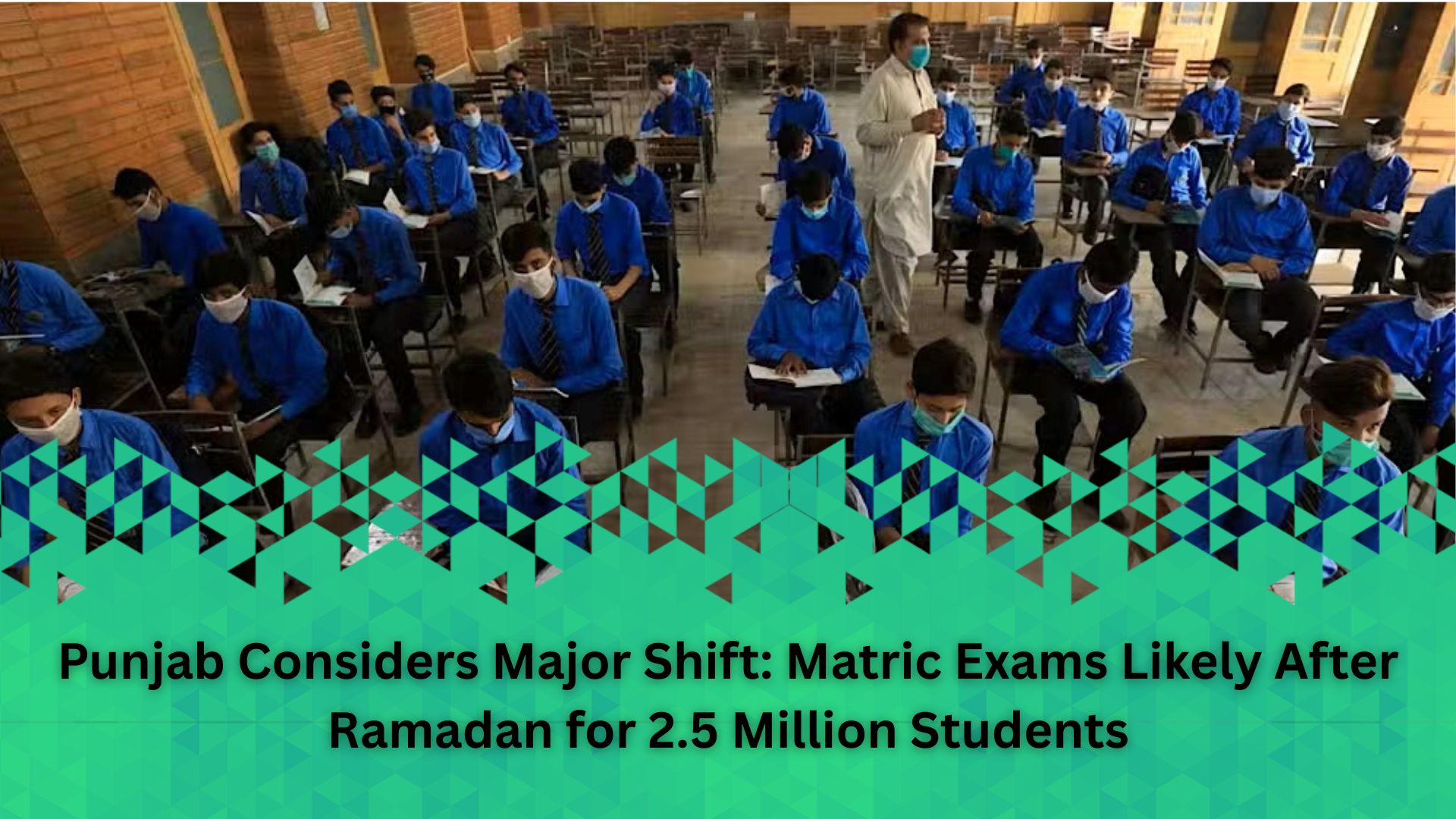
Punjab Considers Major Shift: Matric Exams Likely After Ramadan for 2.5 Million Students
In a move that could reshape the academic calendar for millions, the Punjab Higher Education Department is actively considering a proposal to schedule the annual matriculation examinations after the month of Ramadan and Eid-ul-Fitr in 2025 . This potential change, initiated by the Provincial Education Minister, directly responds to longstanding concerns from students and educators regarding exam preparation during the holy month.
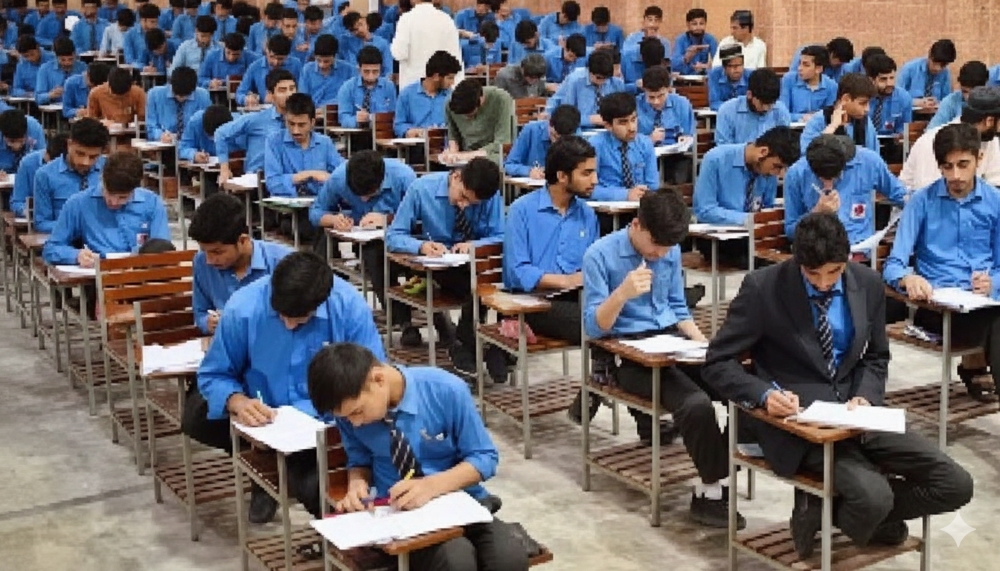
The decision, once finalized, will impact approximately 2.5 million students across Punjab who register for the Secondary School Certificate (SSC) examinations administered by nine educational boards. Notably, the Lahore Board alone caters to over 300,000 matriculation candidates annually, highlighting the scale of this administrative undertaking.
Rationale Behind the Proposed Calendar Shift
The core of the proposal hinges on the anticipated Islamic calendar for 2025. Ramadan is projected to begin around February 18, 2025 , with Eid-ul-Fitr likely falling on March 19 or 20 . Traditionally, matric exams in Punjab often commence in March, leading to a significant overlap with Ramadan.
Teachers and principals have consistently advocated for a post-Eid schedule. The primary argument is that students, many of whom observe fasting, face considerable physical and mental strain preparing for and taking high-stakes examinations during Ramadan. Alterations in sleep patterns, energy levels, and study schedules can affect performance.
“This is a student-centric and pragmatic consideration,” shared a senior school principal from Lahore, on condition of anonymity. “Holding papers during Ramadan places an unnecessary dual burden on children. They are striving for spiritual focus while simultaneously dealing with the intense pressure of board exams. The decision to consider papers after Eid-ul-Fitr is a positive and empathetic move that will allow students to prepare properly and perform to their true potential.”
Stakeholder Response and Practical Implications
Initial feedback from the educational community has been largely positive. Parents and teachers’ associations have often petitioned for such a change, arguing that it promotes both academic fairness and religious observance.
“It’s about leveling the playing field and showing compassion,” said Muhammad Asif, a father of a current 9th-grade student in Faisalabad. “My son will be appearing in the 2025 exams. Knowing that the government is considering this gives us relief. He can observe Ramadan peacefully and then focus fully on his finals.”
From an administrative perspective, the Punjab Higher Education Department and the various examination boards will need to meticulously reorganize the entire examination cycle. This includes adjusting the timing for paper setting, invigilation schedules, and the subsequent result compilation process to ensure university admissions are not delayed.
Broader Context and Official Commentary
This proposal reflects a growing trend of authorities incorporating socio-religious considerations into public planning. While the Higher Education Department has confirmed that the proposal is “under active consideration,” no final directive has been issued. Department officials indicate that a decision will be announced well in advance to allow schools, students, and families ample time to adjust their academic plans.
The Provincial Education Minister’s office, which put forward the recommendation, emphasized a commitment to “holistic student welfare.” An official close to the minister stated, “The goal is to foster an environment where students can excel academically without compromising their spiritual commitments. This review is part of our ongoing efforts to reform and humanize our examination system.”
Looking Ahead: A National Trend?
As Punjab, the country’s most populous province, deliberates this shift, other provinces may observe its implementation and outcomes. The success of such a calendar change in Punjab could set a precedent for similar adjustments in Sindh, Khyber Pakhtunkhwa, and Balochistan.
Educational analysts suggest that while logistical challenges exist, the potential benefits for student well-being and performance are significant. The coming months will be crucial as the department finalizes its decision, paving the way for a new examination timeline for the Class of 2025.