

 Home
Home
 National
 International
 Merit list
 Date Sheet
 Result
 Admission
 Study Abroad
.jpg)


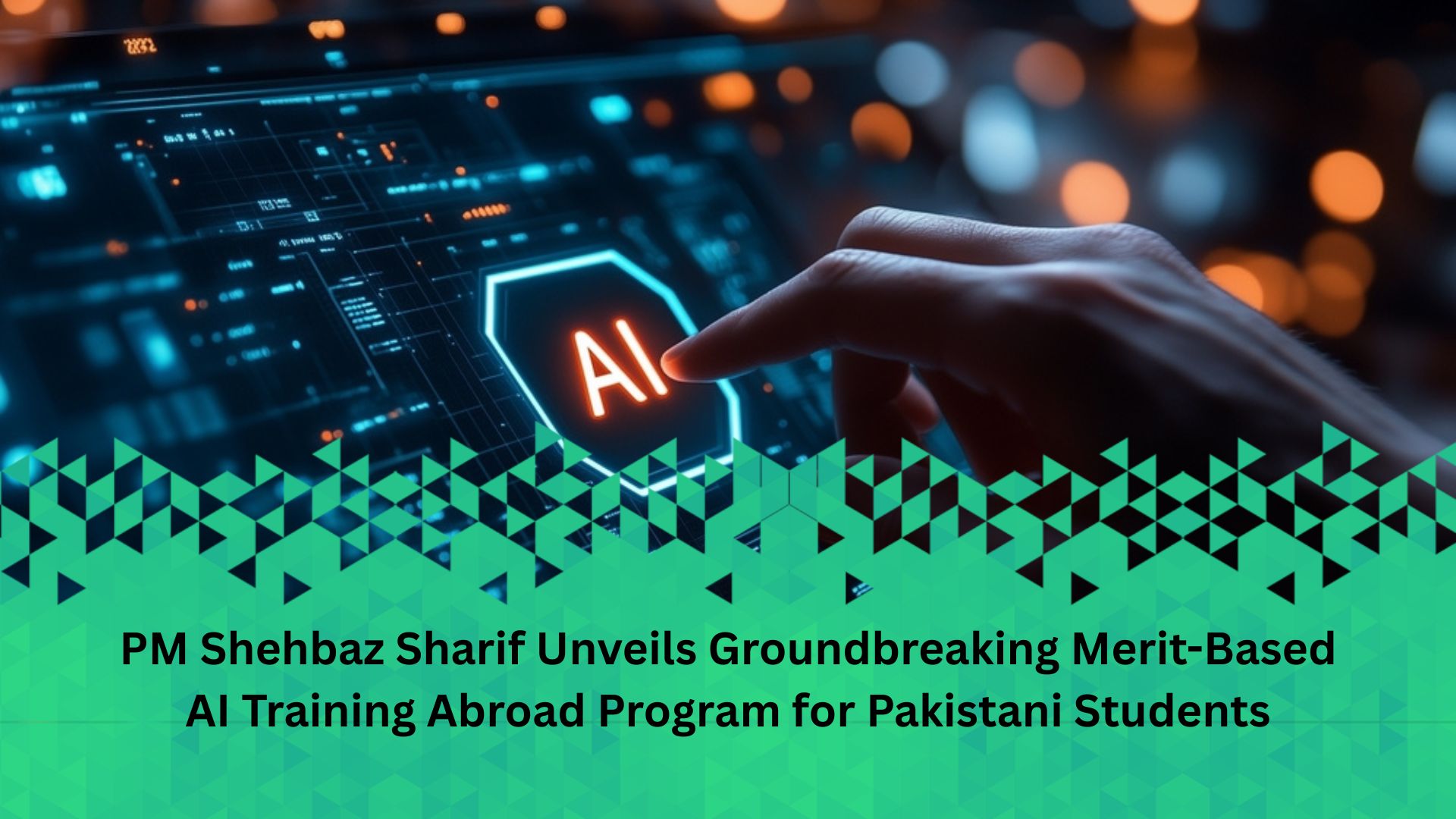
PM Shehbaz Sharif Unveils Groundbreaking Merit-Based AI Training Abroad Program for Pakistani Students
In a major policy announcement aimed at positioning Pakistan at the forefront of the global technology revolution , Prime Minister Shehbaz Sharif has unveiled a pioneering initiative to send talented Pakistani students abroad for advanced training in Artificial Intelligence (AI) . The ambitious, merit-based program will leverage partnerships with institutions in Europe and China , marking a significant investment in the nation's human capital .
The Prime Minister made the announcement on Tuesday while addressing a packed ceremony at the University of Haripur , held to formally launch the distribution of laptops under the revitalized Prime Minister’s Laptop Scheme .
A Strategic Focus on AI and Balanced Development
Speaking to an audience of officials, youth representatives, and students, PM Sharif framed the AI training initiative as a critical component of the government’s strategy for national progress. “Our future lies in embracing cutting-edge technologies,” he stated. “The government plans to send our brightest minds, selected purely on merit from all provinces including Khyber Pakhtunkhwa , for specialized training in artificial intelligence to countries like those in Europe and China .”
Emphasizing an ethos of inclusivity and balanced development, the Prime Minister stressed that talent development must be nationwide. “Pakistan’s progress is inextricably linked to the development of all its regions. We will identify and nurture genius from every corner of the country,” he asserted, connecting the new AI initiative to previous successful talent export programs in agriculture and overseas education launched during his tenure as Punjab’s chief minister.
Laptop Scheme Provides Foundational Toolkit
The announcement was strategically paired with the formal rollout of the Prime Minister’s Laptop Scheme , which the PM noted has already empowered over one million students across Pakistan. The scheme is viewed as providing the essential hardware foundation upon which advanced AI and computing skills can be built. Analysts see the coupling of device access with high-level training opportunities as a coherent two-pronged approach to digital uplift.
“First, you provide the tool the laptop. Then, you provide world-class training to use that tool for innovation and economic growth. This sequential planning is promising,” commented Dr. Ayesha Raza, an education policy expert based in Islamabad.
Haripur Benefits from Broader Education Push
In direct response to local aspirations, Prime Minister Sharif also announced significant developments for education in Haripur district . He announced plans to establish a Daanish School in Haripur , modelled on the successful network of state-of-the-art, semi-residential schools in Punjab. The institution will feature separate campuses for boys and girls, aiming to provide quality education with a focus on character building.
Furthermore, in a move to promote women’s higher education and inclusion, the Prime Minister approved the immediate establishment of a women’s campus at the University of Haripur. He instructed authorities to expedite the process, underscoring the government’s commitment to gender parity in educational access.
Industry and Academia Welcome the AI Initiative
The announcement of the merit-based AI training program has been met with widespread optimism from Pakistan’s tech sector . “This is exactly the kind of visionary thinking we need,” said Faraz Khan, CEO of a leading tech incubator in Karachi. “AI is the defining technology of our era. Sending our best students to world-leading hubs in Europe and China will create a pipeline of experts who can return to drive Pakistan’s own AI industry, attract investment, and solve local challenges.”
University leaders have also hailed the move. Vice-Chancellors from several institutions have expressed readiness to collaborate on the merit selection process, emphasizing the need for transparent and rigorous criteria to ensure the most deserving students are chosen.
Navigating the Implementation Challenge
While the vision has been applauded, observers point to key implementation challenges that will determine the program's success. These include:
-
Transparent Meritocracy: Ensuring a flawless, politically unbiased selection process that publicly verifies merit as the sole criterion.
-
Sustainable Funding: Securing a long-term budgetary allocation for what is likely a high-cost initiative.
-
Brain-Drain Mitigation: Structuring the program with incentives or obligations to encourage a high rate of return for trained specialists.
-
Curriculum Integration: Creating pathways for returning AI experts to integrate their knowledge into Pakistan’s university curricula and research labs.
A Defining Moment for Pakistan’s Digital Future
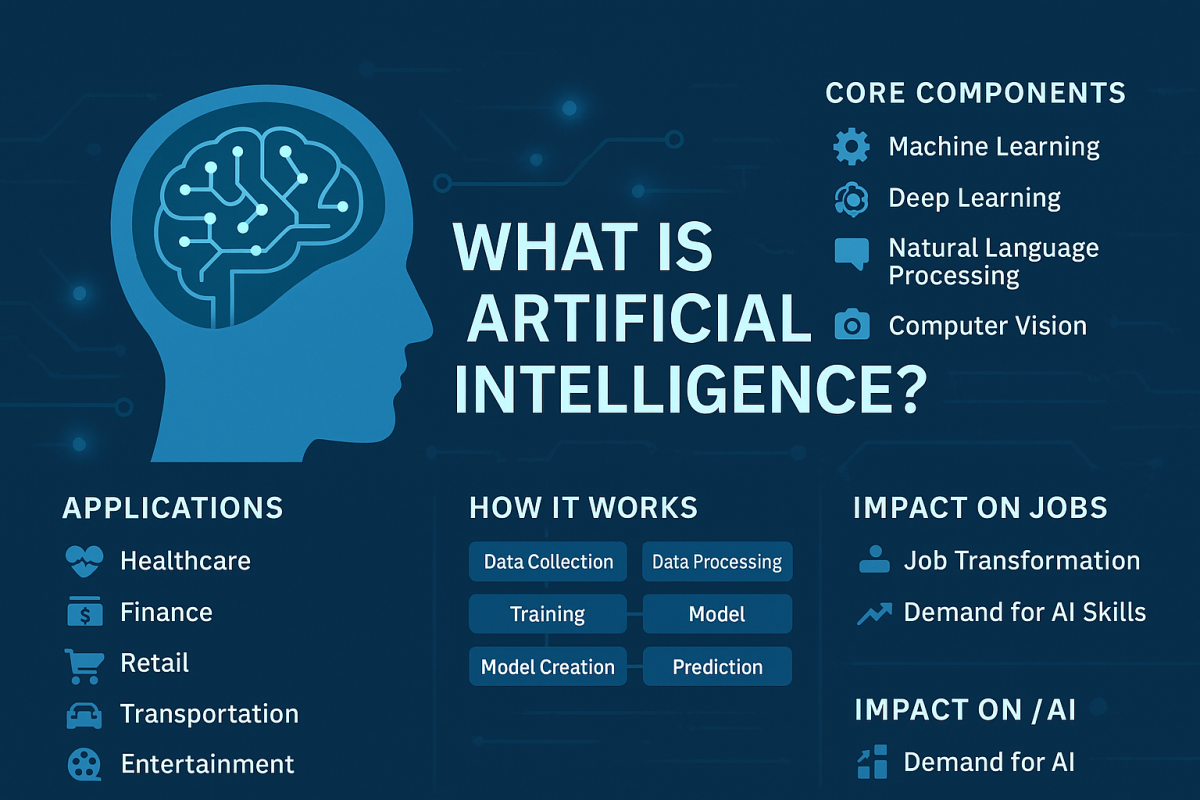
Prime Minister Shehbaz Sharif’s announcements in Haripur signal a potent blend of immediate relief through the laptop scheme and long-term strategic planning via the AI training program. By targeting Artificial Intelligence a field with vast applications in agriculture, healthcare, finance, and governance the government is betting on technology as a primary driver of future economic resilience.
As the ceremony concluded, the mood among students was palpably hopeful. “Today, I received a laptop. Tomorrow, I hope to be among those selected for the AI program,” said Mariam Khan, a final-year computer science student at the University of Haripur. “This feels like the government is finally speaking our language the language of the future.”
With these interconnected initiatives, the government has set a clear benchmark for its digital and education policy agenda. The effective execution of these promises, particularly the merit-based AI training abroad, will be closely watched as a test of Pakistan’s commitment to securing a competitive place in the 21st-century global economy.