

 Home
Home
 National
 International
 Merit list
 Date Sheet
 Result
 Admission
 Study Abroad
.jpg)


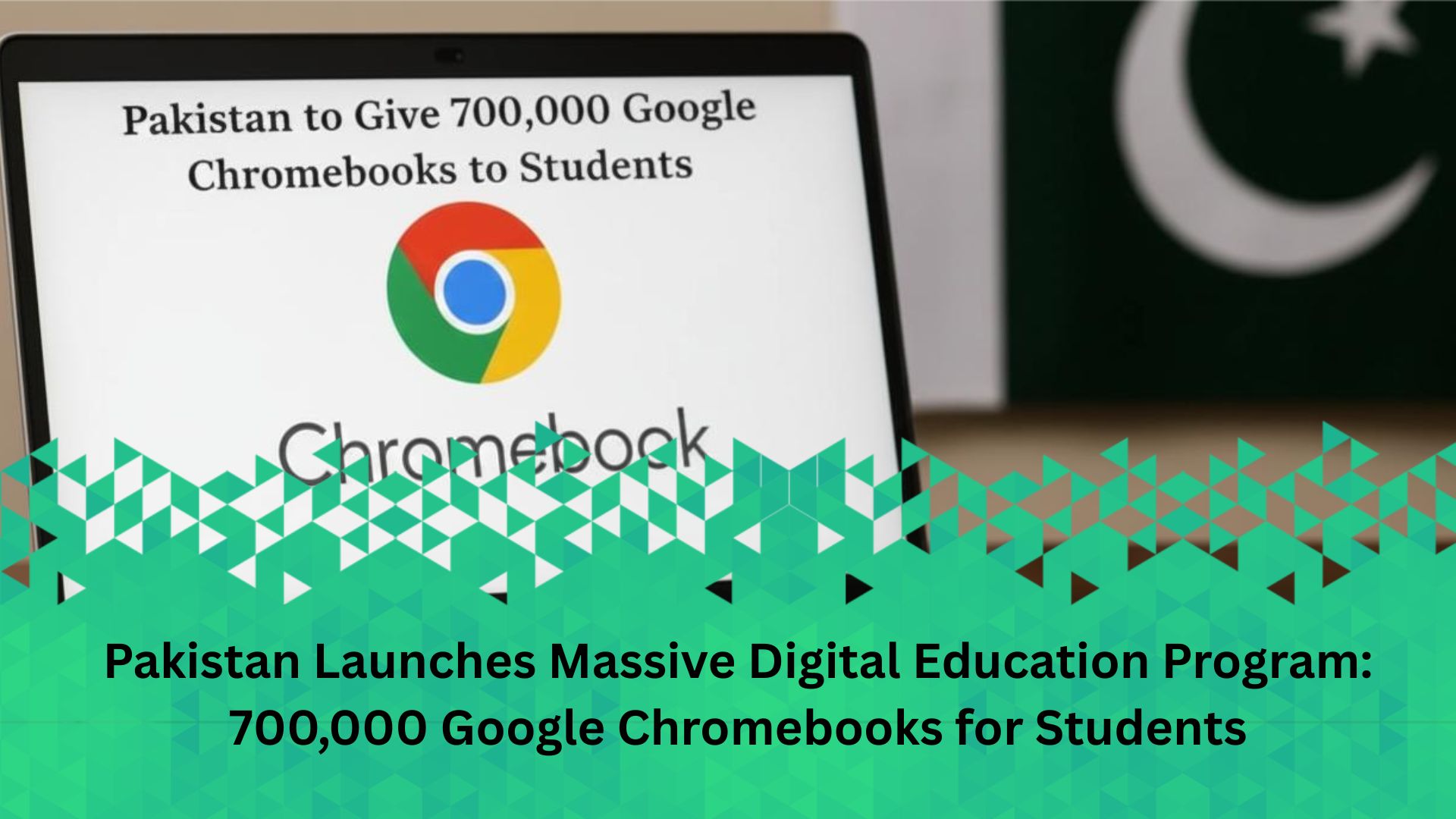
Pakistan Launches Massive Digital Education Drive: 700,000 Google Chromebooks for Students
In a landmark move to transform the nation’s educational landscape , Pakistan will distribute 700,000 Google Chromebooks to students across the country. The ambitious initiative, announced on Friday, forms a core part of the federal government’s Prime Minister’s Youth Programme .
Chairman of the Prime Minister’s Youth Programme, Rana Mashhood Ahmad Khan , unveiled the plan at a dedicated event. He stated the project is designed to strengthen digital learning and equip students with modern tools essential for tackling national and global challenges.
Empowering Pakistan’s Greatest Asset: The Youth
Addressing attendees, Chairman Rana Mashhood Ahmad Khan emphasized the central role of young people in the country’s future. “Youth are Pakistan’s greatest asset,” Khan declared. He explained that the programme is fundamentally about unlocking the full potential of Pakistani youth through a technology-driven education model.
The chairman positioned the Chromebook distribution as more than just a hardware handout. He described it as a strategic investment in human capital, aimed at creating a more skilled and competitive generation ready for the demands of the 21st-century economy.
Phased Rollout and Nationwide Reach
The distribution will be executed in a phased manner to guarantee transparency and equitable allocation. Mashhood confirmed that the process would be based on institutional needs and readiness assessments to ensure maximum impact.
Eligibility extends to students enrolled in schools, colleges, and universities nationwide. Significantly, the programme has an inclusive mandate, with students from Azad Jammu and Kashmir (AJK) and Gilgit-Baltistan also set to benefit. This aspect directly targets the digital divide , particularly aiming to narrow the technology access gap between urban and rural areas.
“This initiative will help bridge the digital divide,” Mashhood asserted, highlighting the government’s focus on creating a level playing field for all Pakistani learners.
Enhanced Learning and Monitoring
The Google Chromebooks are intended to be gateways to a richer educational ecosystem. Students will gain direct access to online learning platforms , up-to-date academic resources, and software that facilitates research and creative learning .
To ensure the initiative delivers tangible educational outcomes, a national monitoring system will be implemented. This system will track device usage and learning results, assessing effectiveness in both classroom and remote learning scenarios. This data-driven approach is designed to promote accountability and allow for evidence-based refinements to the programme.
Building Confidence and Spurring Investment
Chairman Mashhood also connected the digital education push to broader economic trends. He noted that such large-scale initiatives are fostering growing confidence among overseas Pakistanis . This confidence, he suggested, is translating into increased investment in Pakistan’s education and skills development sectors.
This influx of interest and capital is subsequently helping to create new jobs and opportunities in emerging, technology-focused sectors, contributing to a virtuous cycle of economic growth and youth empowerment.
Supplier and Long-Term Vision
While the chairman revealed that an organisation is supplying the Chromebooks, specific details regarding the supplier and the total financial outlay of the project were not immediately disclosed. The focus of the announcement remained firmly on the programme’s strategic objectives and implementation framework.
Mashhood concluded by framing the Chromebook Programme as a reflection of the government’s long-term commitment to modernizing Pakistan’s education system. The ultimate goal, he stated, is building a digitally empowered future for the country’s youth, ensuring they are not just consumers but active participants and creators in the global digital economy.
Analysis: A Step Toward Digital Equity
Education analysts view this mass distribution of Chromebooks as one of the most significant single interventions in Pakistan’s ed-tech space. If executed effectively, it could dramatically increase digital literacy rates and provide millions of students with their first personal computing device.
Key challenges will include ensuring robust internet connectivity in remote regions, providing adequate teacher training for digital pedagogy, and maintaining the devices over the long term. The success of the promised monitoring system will be crucial in addressing these hurdles.
The move aligns with global trends where governments are prioritizing digital infrastructure in education, a necessity further accelerated by the learning disruptions experienced during the COVID-19 pandemic.
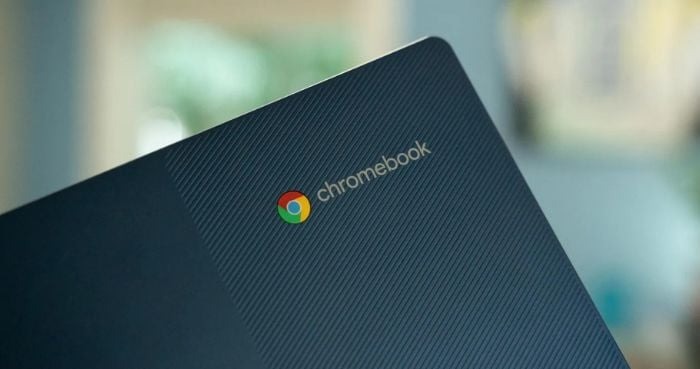
The announcement to distribute 700,000 Google Chromebooks marks a pivotal moment in Pakistan’s education policy. Under the Prime Minister’s Youth Programme, the government is making a substantial bet on technology as the great equalizer and the engine for future prosperity.
As the phased rollout begins in the coming months, its execution will be closely watched by educators, parents, and international observers. The programme’s ability to deliver on its promise of transparency, equity, and enhanced learning outcomes will determine its legacy in shaping a digitally empowered Pakistan.