




 Home
Home
 National
 International
 Merit list
 Date Sheet
 Result
 Admission
 Study Abroad
.gif)


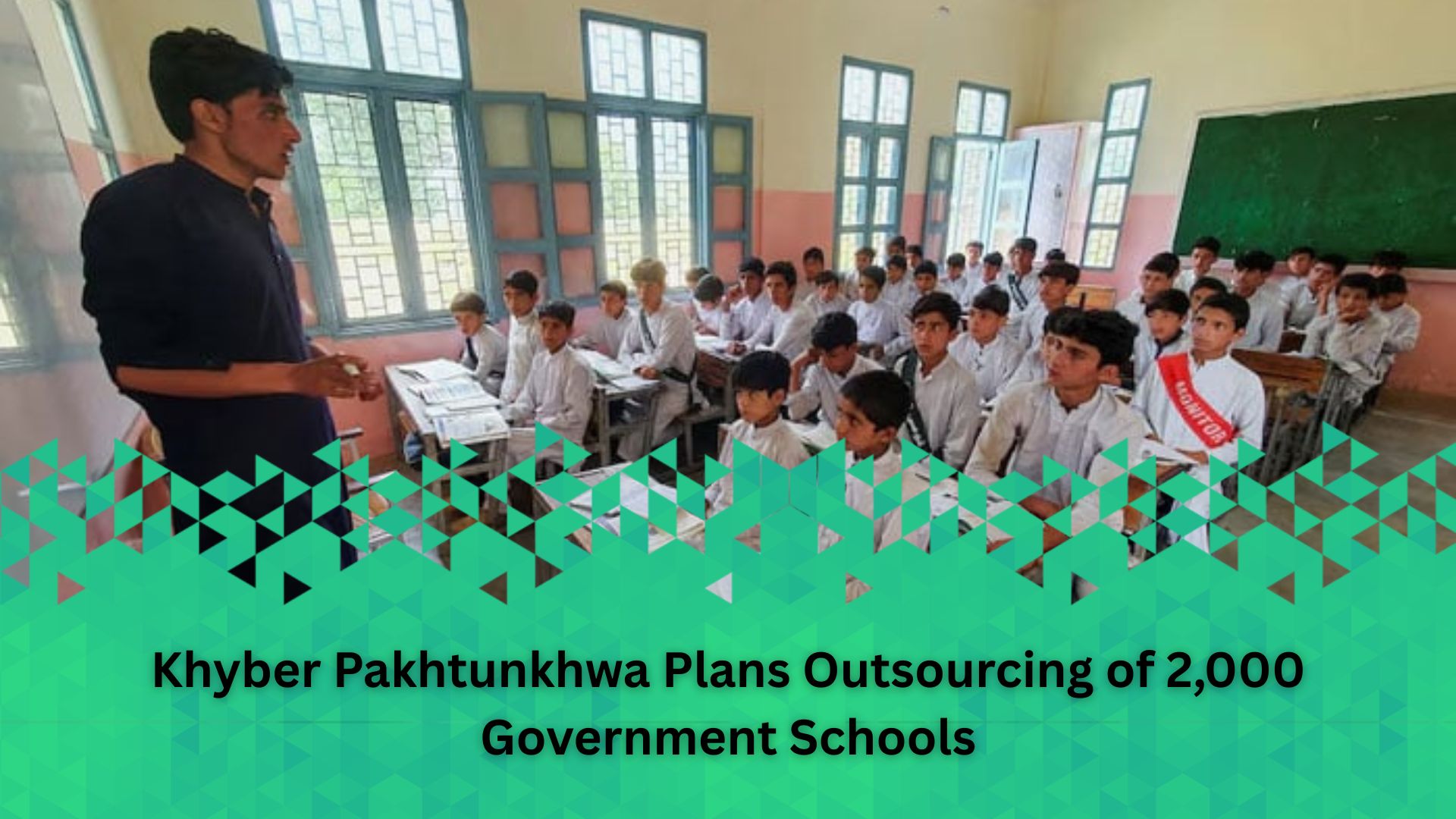
A great decision aimed at changing public education, the KP government has formally approved a plan to outsource approximately 2,000 government schools across the province. The move mirrors the province’s earlier controversial yet impactful privatization of public hospitals.
The decision falls under a phased KP government schools outsourcing model. Under this plan, the management of government primary schools will be transferred to private sector partners. Officials confirmed that nearly 500 public schools have already been outsourced successfully in the initial phase, paving the way for the larger rollout.
Financial Framework and Subsidies
Under the approved Khyber Pakhtunkhwa school outsourcing plan , the provincial government will provide a monthly subsidy of Rs. 300,000 to each outsourced school. This funding is strictly designated to cover staff salaries and other operational costs, ensuring that education remains free for students while leveraging private sector efficiency.
"We are not abandoning these institutions. Instead, we are infusing private management discipline while retaining government funding for salaries and operations," a senior official in the KP education department schools privatization wing told reporters.
The strategy involves outsourcing 2000 government schools outsourced in KP , which represents nearly 15% of the province's low-enrollment primary schools. Of these, 233 schools located in the winter zone areas regions that remain cut off due to heavy snowfall have already been handed over to private operators to ensure uninterrupted learning.
Enrollment Surge: A Success Indicator
Early data from the outsourced institutions suggests a dramatic turnaround. According to department officials, KP school enrollment increase after outsourcing has been nothing short of remarkable. In the already outsourced schools, total student enrollment surged by 89% rising from 4,086 students before the outsourcing process to 7,718 students currently.
Authorities further revealed that the average number of students per school has jumped from a dismal 40 to over 77 in just one academic cycle. However, the government has set an ambitious target to increase this average to 180 students per school within one year.
Performance Clauses and Accountability
While the government schools outsourcing in Pakistan particularly in KP has received cautious approval from education economists, officials have built in strict accountability measures. The contracts with private operators include performance-based clauses. If any outsourced institution fails to meet required performance targets, including enrollment benchmarks, examination pass rates, and infrastructure maintenance, the government reserves the right to cancel the contract immediately.
This latest news on KP primary schools outsourcing news comes as part of wider Khyber Pakhtunkhwa education reforms 2026 , which aim to bridge the learning gap between public and private institutions. The province has historically struggled with low retention rates and poor learning outcomes in government-run primary schools.
.jpg)
Reactions from Stakeholders
The All Pakistan Private Schools Federation has welcomed the move, calling it "a pragmatic solution to a chronic problem." However, the KP Teachers Association has opposed the decision, arguing that public school privatization in KP will lead to job insecurity for regular government teachers.
In response, the education department clarified that existing teaching staff will be absorbed under the new management with the same pay scales, funded by the government subsidy. No layoffs are planned.
The Road Ahead
With nearly 500 schools already outsourced and contracts being finalized for the remaining 1,500, the KP government appears committed to scaling the initiative. The model where the government retains ownership and funding but outsources management is being closely watched by other provinces in Pakistan as a potential template for reviving failing public schools.
As the province moves forward with outsourcing 2,000 government schools, all eyes will be on whether the impressive 89% enrollment increase can be sustained and translated into better learning outcomes. For now, the KP experiment marks one of the most ambitious government schools outsourcing in Pakistan efforts to date.




.jpg)

.jpg)

Share your comments & questions here
No comments yet. Be the first to comment!