


 Home
Home
 National
 International
 Merit list
 Date Sheet
 Result
 Admission
 Study Abroad
.jpg)


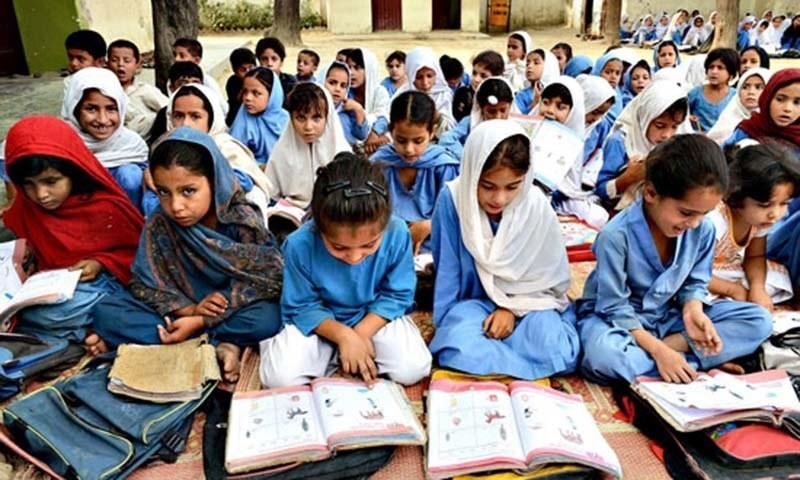
20 Million Children Still Remain Out-of-School in Pakistan
Pakistan continues to face a severe education challenge as around 20 million children remain out of school , despite modest progress in enrolment, according to the Household Integrated Economic Survey (HIES) 2024–25 . The findings highlight persistent regional, gender, and economic inequalities across the country.
Overview of HIES Survey
The HIES survey , conducted between September 2024 and June 2025 , was released after a six-year gap and incorporates updated population data from the 2023 census . The survey was published following renewed emphasis on data transparency encouraged by the International Monetary Fund (IMF) .
Key Survey Highlights
-
Out-of-school rate declined from 30% to 28%
-
Total out-of-school children reduced from 25.3 million to around 20 million
-
Literacy and school attendance indicators show gradual improvement
Current Education Situation in Pakistan
National Enrolment Status
| Indicator | Previous Data | Latest Data |
|---|---|---|
| Out-of-School Rate | 30% | 28% |
| Out-of-School Children | 25.3 Million | ~20 Million |
| Literacy Rate | 60% | 63% |
| Ever Attended School (Age 10+) | 61% | 67% |
While progress is visible, nearly three out of every ten children in Pakistan are still not attending school, underscoring the scale of the crisis.
Gender-Wise Education Disparities
Boys vs Girls – A Persistent Gap
The survey reveals strong gender disparities:
-
1 in 4 boys remain out of school
-
Nearly 1 in 3 girls are out of school
-
Rural girls face the highest exclusion, particularly in Sindh and Balochistan
Reasons for Leaving School
| Reason | Boys | Girls |
|---|---|---|
| Financial Hardship | Moderate | High |
| Child Labor | High | Low |
| Family Restrictions | Low | High |
| Cost of Education | High | High |
Provincial Breakdown of Out-of-School Children
Provincial Education Comparison
| Province | Previous Rate | Current Rate | Change |
|---|---|---|---|
| Punjab | 21% | 21% | No Change |
| Sindh | 42% | 39% | Improved |
| Khyber Pakhtunkhwa | 31% | 28% | Improved |
| Balochistan | 59% | 45% | Major Improvement |
Provincial Insights
-
Punjab maintains the lowest rate but shows no progress
-
Balochistan recorded the largest improvement , yet still has the highest exclusion rate
-
Sindh and KP show moderate gains but continue to lag behind national targets
Never Enrolled vs Dropout Children
Out of the 28% out-of-school children :
-
20% never enrolled in school
-
8% dropped out after enrolment
This indicates that access and retention remain equally critical challenges.
Rising Food Insecurity and Its Impact on Education
The survey also highlights a sharp increase in food insecurity across all provinces , which directly affects school attendance. Families struggling to meet basic needs are more likely to withdraw children from education, particularly girls.
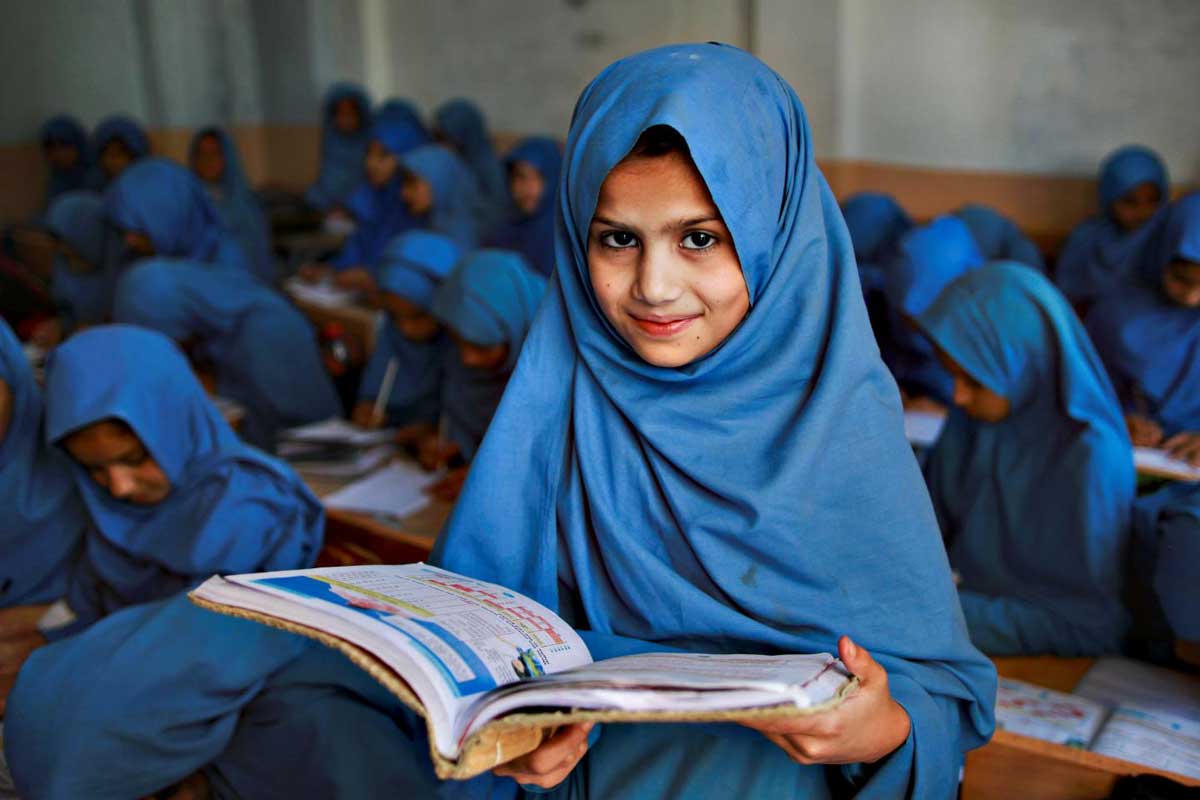
Literacy Trends in Pakistan
Despite challenges, long-term indicators show improvement:
-
Literacy rate increased from 60% to 63%
-
Population aged 10+ with some schooling rose to 67%
However, progress remains uneven and fragile , requiring targeted interventions.
The HIES 2024–25 survey presents a mixed picture of Pakistan’s education landscape. While the reduction in out-of-school children from 25.3 million to around 20 million is encouraging, deep structural inequalities continue to hinder universal education. Without focused policies addressing poverty, gender norms, rural access, and food insecurity , achieving education for all will remain a distant goal.