




 Home
Home
 Education
 Technology
 Relationship
 History
 Business
 Career
 Religion




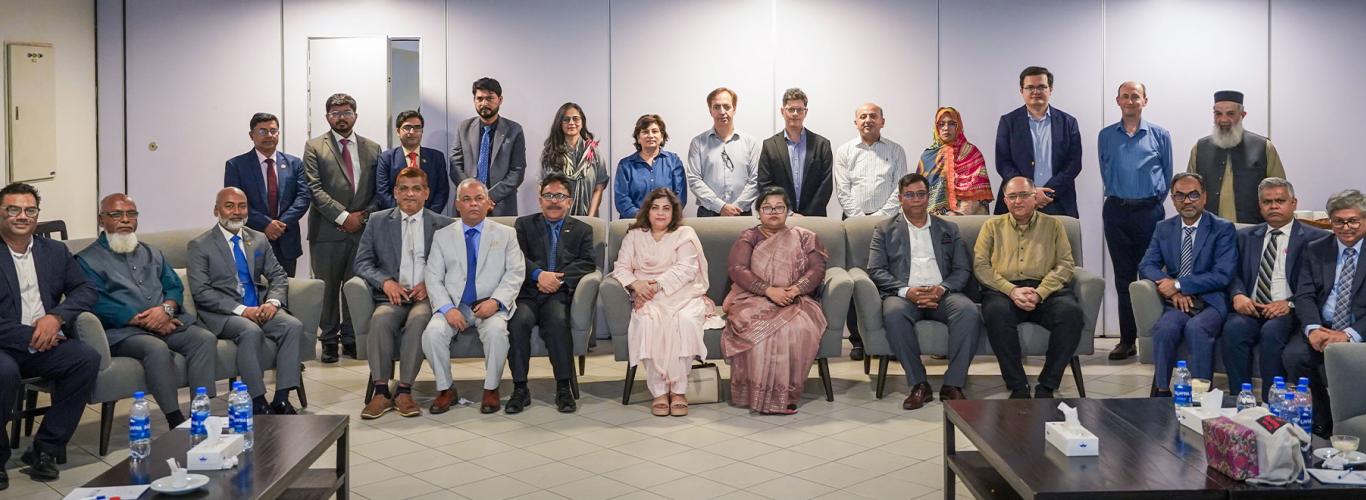
A great move toward fostering regional academic collaboration South Asia , a distinguished high-level delegation from Bangladesh’s higher education regulatory body visited the Lahore University of Management Sciences (LUMS) . The visit, facilitated by Pakistan’s Higher Education Commission (HEC), underscores a mutual commitment to revitalizing Bangladesh Pakistan education ties through sustainable institutional partnerships.
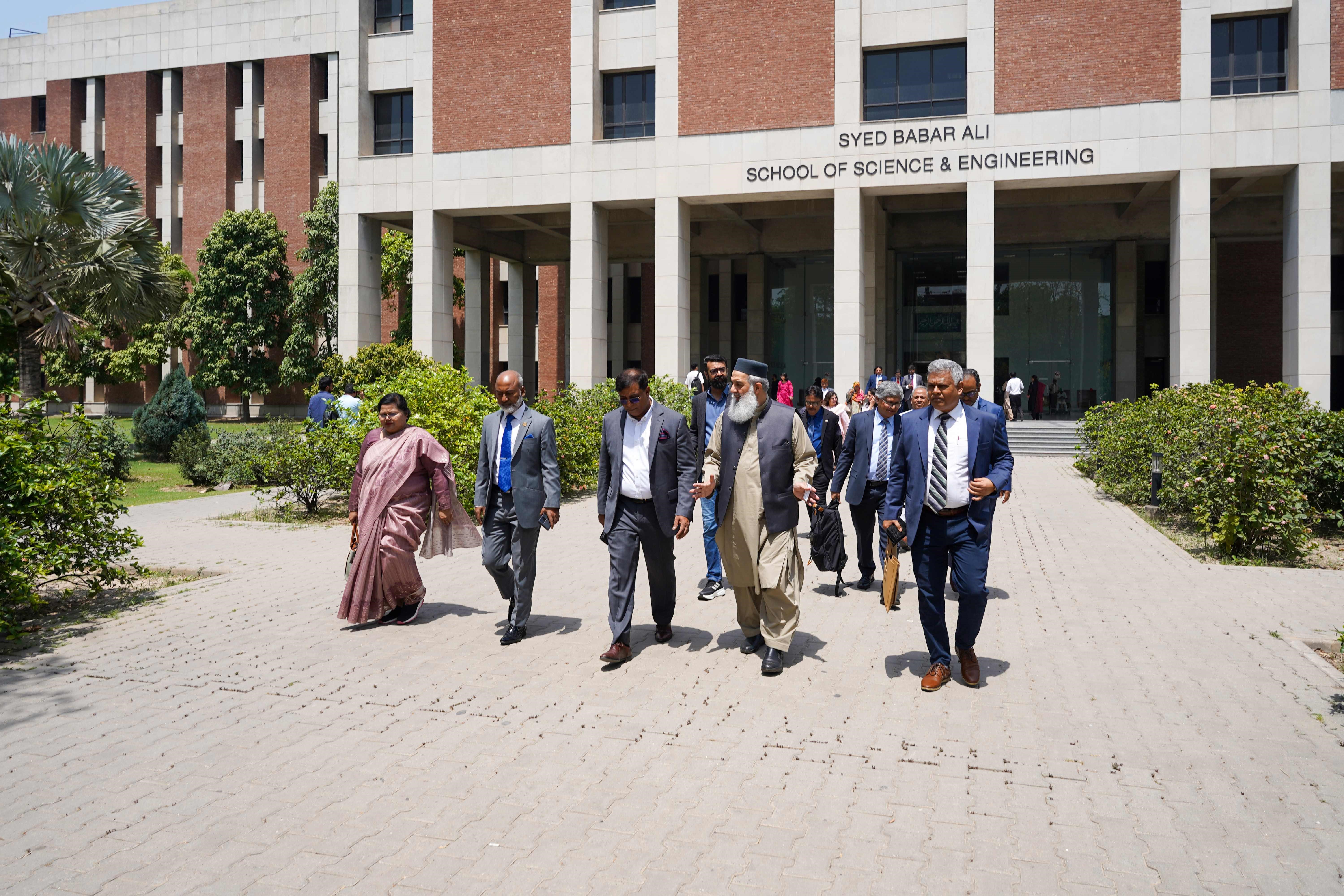
The delegation was led by Prof. Dr. Mamun Ahmed, Chairman of the University Grants Commission (UGC) Bangladesh. Accompanied by Vice Chancellors from leading public and private universities in Bangladesh and senior UGC officials, the group engaged in intensive dialogue with LUMS leadership, including Vice Chancellor Dr. Ali Cheema, Provost Dr. Tariq Jadoon, deans, and distinguished faculty members.
Building on Shared Histories, Learning from Distinct Contexts
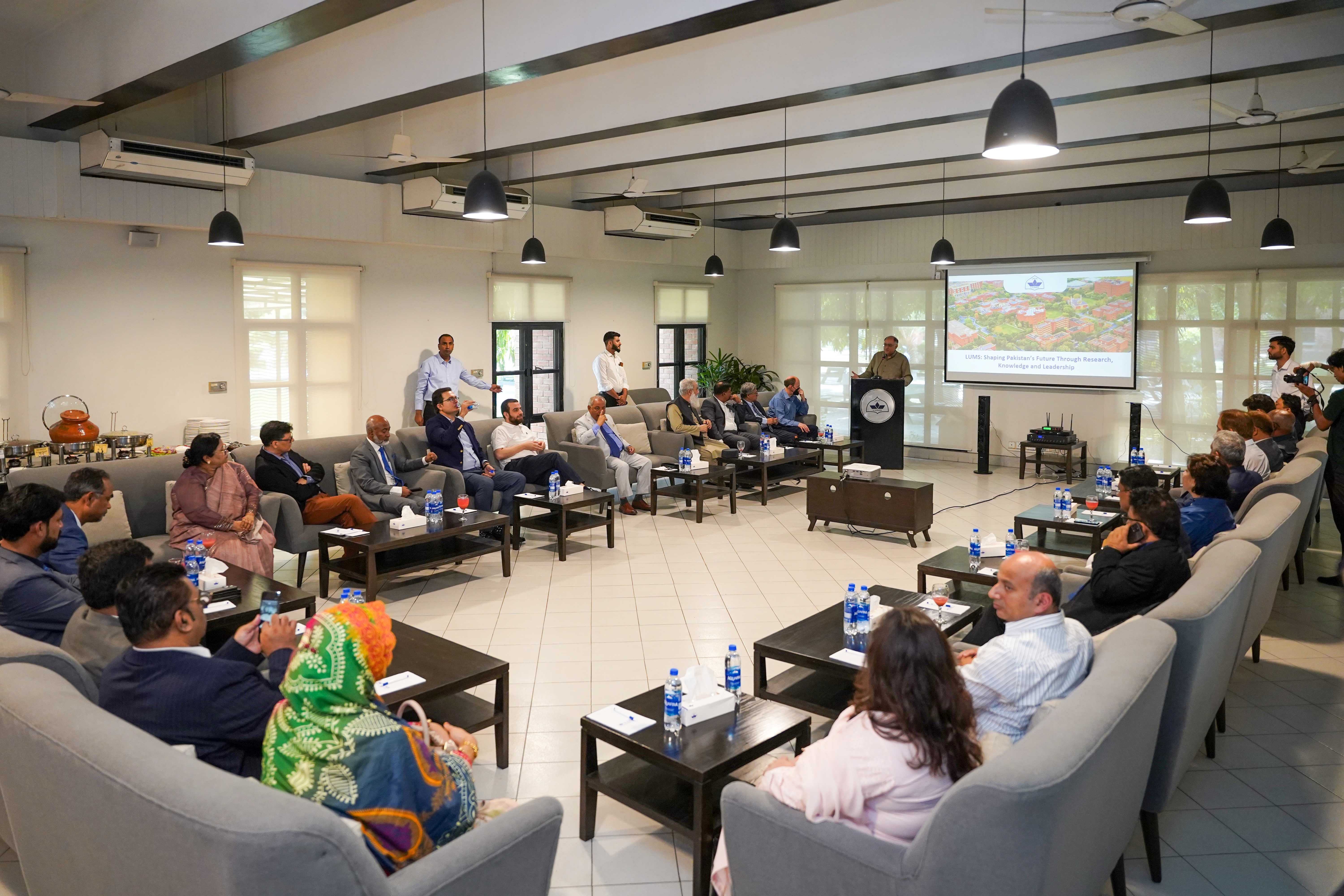
The core theme of the meeting revolved around a simple yet profound idea: that higher education institutions cannot thrive in isolation. Speaking during the session, Prof. Dr. Mamun Ahmed thanked the LUMS leadership for their warm hospitality and described the visit as a vital platform for knowledge sharing. He emphasized that deeper Pakistan Bangladesh higher education collaboration is essential to strengthen academic excellence and expand opportunities for students across both nations.
Vice Chancellor Dr. Ali Cheema echoed these sentiments, highlighting the need to build on shared historical and cultural linkages while respecting the distinct national contexts that shape each country’s educational landscape. The discussions transcended traditional diplomacy, focusing instead on actionable academic frameworks that benefit students and researchers directly.
Key Areas of Partnership: Research, Exchange, and Executive Education
The UGC Bangladesh delegation at LUMS explored several concrete pathways for future cooperation. Among the most prominent areas discussed were:
-
Joint Research Collaboration: Both sides agreed to identify thematic areas including climate change, public health, technology governance, and social sciences where joint research projects could be launched with shared funding mechanisms.
-
Student and Faculty Exchange Programs: A major highlight was the push to formalize student and faculty exchange programs . These initiatives would allow LUMS students to spend semesters at top Bangladeshi universities and vice versa, fostering cross-cultural learning and academic enrichment.
-
Executive Education and Legal Education: Recognizing the growing demand for leadership training, the delegation explored partnerships in executive education. Additionally, both parties discussed collaborations in legal education, leveraging LUMS’s renowned law school and Bangladesh’s evolving legal framework.
-
Joint Academic Initiatives: From dual-degree programs to shared summer schools, the dialogue included plans for co-developed curricula that reflect regional realities.
A Track Record of Growing Engagement
This visit is not an isolated event but rather a natural progression in LUMS international collaborations 2026 . Over the past year, LUMS has actively worked to deepen its academic ties within Bangladesh. The university participated in HEC Expos held in Dhaka, Barishal, Rajshahi, Sylhet, and Chittagong, directly engaging with prospective students and partner institutions.
Furthermore, LUMS recently signed a Memorandum of Understanding (MoU) with North South University, one of Bangladesh’s premier private universities. Ongoing collaboration with the University of Chittagong continues to yield productive outcomes in faculty-led research. These steps have laid a robust foundation for the high-level policy discussions witnessed during the current visit.
Why This Collaboration Matters for the Region
For decades, South Asian nations have underutilized the potential for intra-regional academic cooperation, often looking toward Western institutions for partnerships. However, the visit by the UGC Bangladesh delegation at LUMS signals a paradigm shift. By pooling intellectual and institutional resources, Pakistan and Bangladesh can reduce brain drain, optimize costs, and create degree programs that are globally competitive yet regionally rooted.
For students, the emergence of formal student and faculty exchange programs means access to diverse academic environments without the prohibitive costs of studying outside South Asia. For faculty, joint research opens doors to larger data sets, multi-site studies, and co-authored publications that strengthen global academic standing.
The Road Ahead
As the delegation concluded its visit, both sides committed to drafting a framework agreement that will operationalize the discussions. The HEC Pakistan, which facilitated the visit, will play a key role in ensuring that these proposals translate into signed MoUs and funded projects.
Prof. Dr. Mamun Ahmed summarized the sentiment of the visit best: “Higher education institutions cannot thrive in isolation. Deeper collaboration between Bangladesh and Pakistan can help strengthen academic excellence, institutional capacity, and opportunities for students.”
With LUMS international collaborations 2026 already gaining momentum, the future of Pakistan Bangladesh higher education collaboration looks promising. The seeds planted during this historic visit are expected to yield a generation of scholars, researchers, and leaders who see regional cooperation not as a diplomatic formality, but as a strategic necessity.
As both nations move forward, the message is clear: when universities connect, borders begin to blur and education becomes the ultimate bridge.



.webp)
Share your comments & questions here
No comments yet. Be the first to comment!